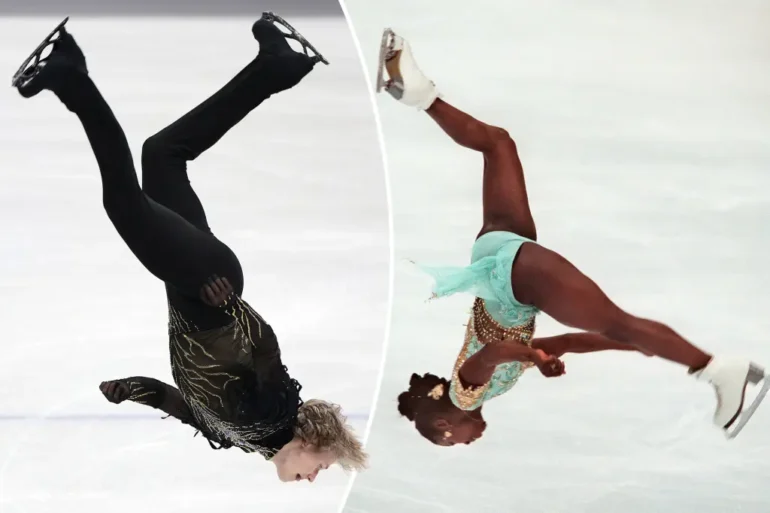
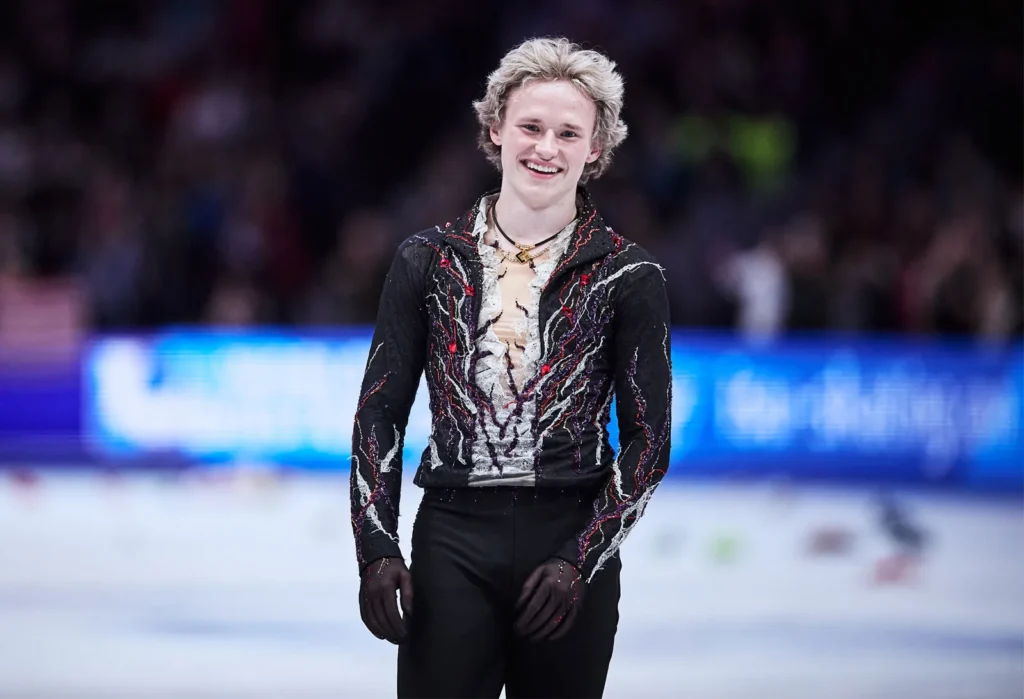
U.S. figure skater Ilia Malinin thrilled spectators this past week by performing a backflip during the 2026 Winter Olympics in Milan and Cortina, which helped Team USA win gold. However, the larger discussion has shifted to a paradox: why has this instance received so much praise when previous attempts at the same trick were dismissed?
A Stunning Olympic Moment
The 21-year-old American figure skater Ilia Malinin, known as the “Quad God,” enthralled the Milan Ice Skating Arena with his performance, which included the first backflip to be executed legally in an Olympic competition in almost 50 years. It helped cement the U.S. team’s gold medal finish in the team event and received widespread praise on social media and sports pages.
In large part, that was a historic moment because backflips in competition had been prohibited by the International Skating Union (ISU) until recently. But the celebration for Malinin’s backflip has also reignited discussion about another figure skater: Surya Bonaly.
Surya Bonaly — The Forgotten Pioneer
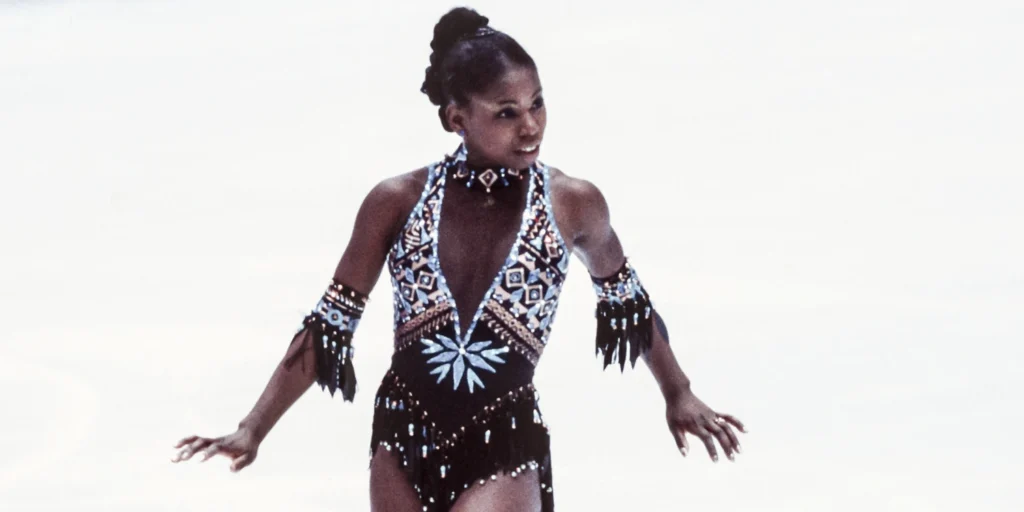
Surya Bonaly, a French skater who competed in the 1990s, performed a backflip at the 1998 Nagano Olympics, landing it on one foot. Rather than being celebrated, she was penalized, and her final placement suffered as a result.
Bonaly’s backflip was meant to serve as a message. As a Black woman competing in one of the least diverse Olympic sports, Bonaly came to represent the unfairness of the sport. Despite her undeniable athleticism, she was often evaluated based on the subjective norms of the sport rather than her own abilities. In recent commentary, many athletes and fans have reminded the public that Bonaly’s backflip was the same move now thrust into the spotlight for Malinin’s performance. Many online have argued that while Malinin receives widespread praise, Bonaly’s version went largely underappreciated, even in skating circles.
Rules & Recognition
The International Skating Union first outlawed the backflip for safety and aesthetic reasons after Terry Kubicka first performed it at the 1976 Olympics, landing on two skates.

At the conclusion of her Olympic run, Bonaly performed her 1998 backflip while injured. She wanted to make her last performance unforgettable, as this would be her last time competing professionally. The judges reduced her score for performing the trick. Still, the action created a space in figure skating history for its execution. Decades later, the ISU then decided to overturn the rule, making backflips legal on the ice again.
Toward a More Inclusive Memory
All in all, honoring Malinin’s achievement and historical performance need not come at the cost of acknowledging Bonaly’s legacy. As recognizing the past enhances our view of the present.
Ultimately, the backflip at the Winter Olympics is a representation rather than simply a technical feat. As we commemorate the comeback of the move, we must be careful to respect both the exciting moment and the legacy of those who first dared to push the boundaries within the sport.