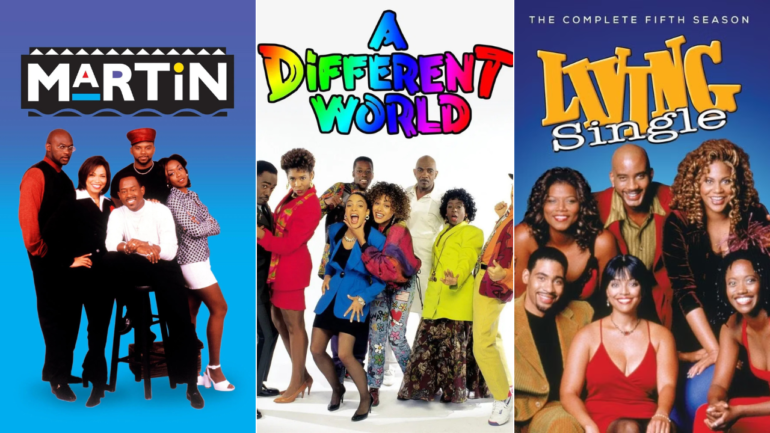
Black viewers between the ages of 18 and 34 are streaming these 1990s classics in large numbers, per Nielsen’s January 2026 report. Outperforming many modern series, Martin has a 34.1% audience share, followed closely by Living Single at 33.2% and A Different World at 25.9%.
This newfound popularity is making people wonder, what is drawing Gen Z to these 90s sitcoms?
Relatability Over Reinvention
The recent success of these shows isn’t a coincidence. They were created at a time when Black-led television was at its height, when networks recognized the importance of presenting Black life as fully realized, everyday experiences rather than as trauma narratives or only relegating Black characters to sidekicks.
All of these shows offered viewers different experiences. Whether it was watching aspirational Black professionals juggling relationships and careers or seeing HBCU culture highlighted along with themes of political activism, romance, and growth.
Authenticity is what ties all of these series together and what made them resonate with audiences. The humor seemed genuine, and the characters felt universal. These shows were written for Black audiences, not to make Blackness palatable or to explain Blackness to non-Black people. There were shows made for us by us.
The Modern Void
So why are viewers gravitating toward three-decade-old sitcoms instead of new releases?
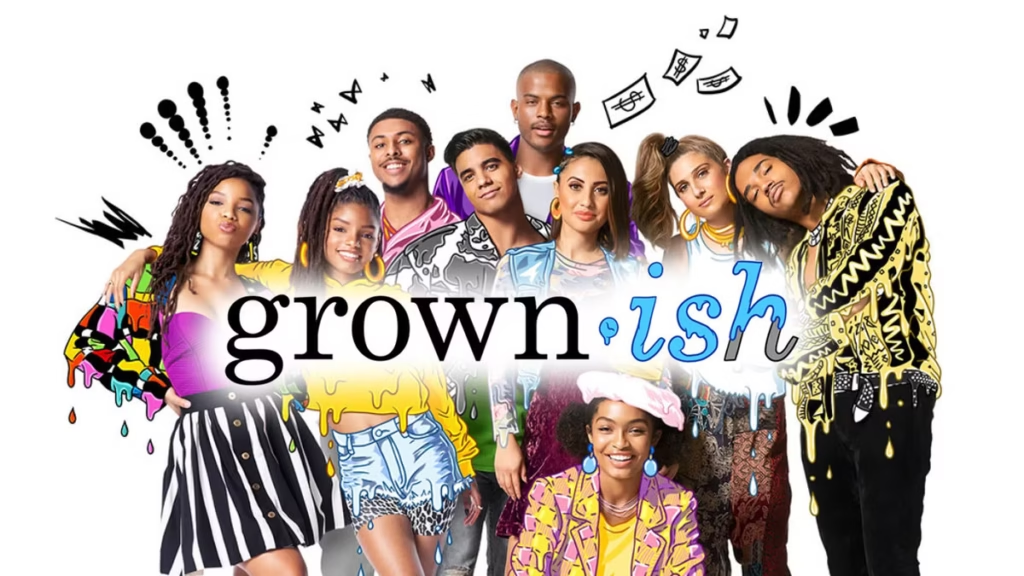
Many young viewers argue that there are currently no popular shows that strike a balance between humor, relatability, and cultural nuance and are specifically targeted at Black 18–34-year-olds, and I have to agree with that sentiment. Although there have been modern attempts like “Grown-ish,” these shows don’t offer the same experience as many of these old sitcoms did, as now we live in an era where the sitcom is slowly dying in favor of dramatic series.
This is not to say that people do not desire to see sensitive topics touched upon in media, as some of the most popular Black sitcoms of the 1990s addressed important topics, such as class, police brutality, and colorism, but they did so through character-driven storytelling as opposed to overbearing exposition.

Looking Back to Move Forward
Ultimately, the comeback of these sitcoms is less about living in the past and more about the overwhelming gap in content aimed toward Black millennials and Gen Z.
Networks and streaming sites need to understand what made these ’90s favorites everlasting. They pushed for positive representation for young Black individuals. With the rise of conservatism and the cultural shifts we are seeing, people yearn to see Black life portrayed in a way that is complex and joyful.
Gen Z and Millennials will continue to press play on the familiar until fresh programming is made available to them. And in doing so, they are sending a clear message that we need more than just representation; we need authenticity to who we are in our representation.