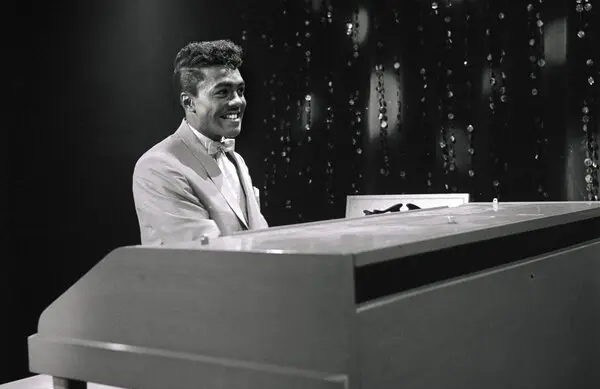
In a truly poignant turn of events, the music world has only just learned of the passing of Dave “Baby” Cortez, the pioneering piano player and songwriter best known for his exuberant 1959 hit, “The Happy Organ.” Cortez, who was 83, actually passed away more than three years ago, in 2022, but the news was only recently confirmed, shining a light on a remarkable artist who deliberately stepped away from the spotlight.
Born David Cortez Clowney on August 13, 1938, in Detroit, Cortez was a key figure in the 1950s Motor City doo-wop scene before making history. His infectious electronic organ instrumental, “The Happy Organ,” wasn’t just a hit; it was the first instrumental ever to top the Billboard Hot 100, cementing his place in pop music history. Despite scoring eight Hot 100 hits in total, Cortez became somewhat of a mystery after leaving the music business in the early 1970s. He rarely spoke to the press, embracing a reclusive life. His daughter, Taryn Sheffield, shared with The New York Times that she hadn’t heard from him since 2009, describing him as a “recluse for many, many years.”
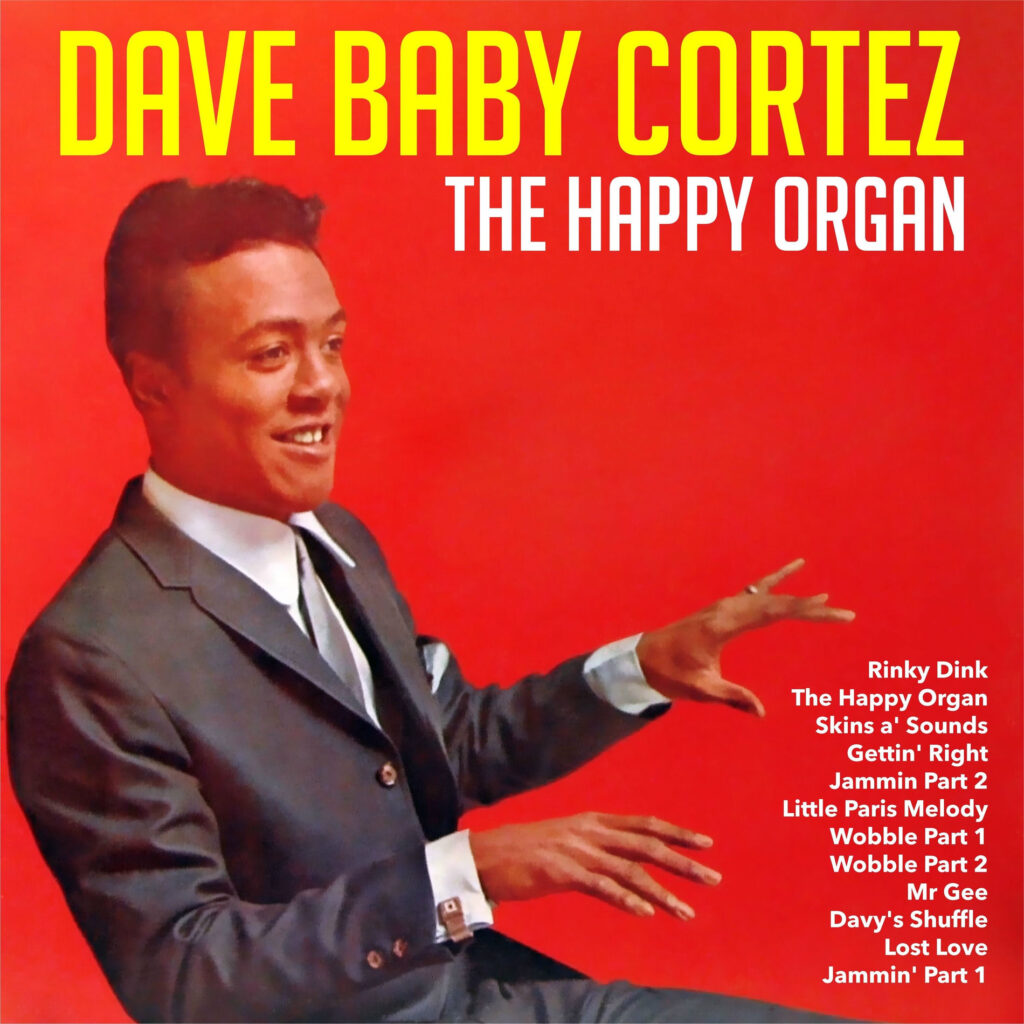
A Life Lived on His Own Terms: From Stardom to Spirituality
The discovery of his passing came about through Miriam Linna, founder of the New York independent label Norton Records. Linna, a long-time admirer of Cortez’s work, only recently learned of his death, three years after it occurred. New York city records reportedly show that Cortez died on May 31, 2022, at his home in the Bronx. Heartbreakingly, he is buried in a potter’s field off the coast of the borough, a public cemetery where many are laid to rest in unmarked graves.
Cortez’s decision to leave the music business over 50 years ago was a conscious one. When Linna managed to connect with him in 2011 – a serendipitous encounter sparked by her superfandom and some persistent online searching – she persuaded him to record his first album in nearly 40 years, Dave Baby Cortez with Lonnie Youngblood and his Bloodhounds. During those sessions, Cortez shared with Linna his profound belief that “stardom and the music business were not important to him anymore.” He was focused on his “church guy” roots, often performing as a church organist in Cincinnati. This deep spiritual connection clearly meant more to him than the fleeting nature of fame.
His journey began early; encouraged by his piano-playing father, Cortez joined the local doo-wop vocal group the Five Pearls (later the Pearls) at just 16. After moving to New York and joining another group, the Valentines, he started shopping his own songs. His breakthrough came with “The Happy Organ.” In a rare interview, Cortez recalled recording the instrumental track in 1958, dissatisfied with a vocal take, and then spontaneously adding the Hammond organ, feeling that “God gave me this melody.” The resulting two-minute, joyous track, with its unique circus-like keyboard and rubbery guitar, wasn’t just a surprise hit; it revolutionized the use of the Hammond organ in rock music, paving the way for future classics like Booker T. and the M.G.’s “Green Onions” and The Doors’ “Light My Fire.”
While “The Happy Organ” might have been his defining moment, Cortez continued to create. He scored another organ instrumental hit in 1962 with the jaunty No. 10 charting “Rinky Dink” and released a string of albums throughout the 1960s, even pivoting to a soul/funk sound. His last charting song, a gospel-infused track, came in 1973.
After that, as the Times noted, he truly vanished. He reportedly refused interviews due to disillusionment with the music industry until Linna’s determined outreach in 2009, which shockingly led to his return to the studio and a performance at Norton Records’ 25th anniversary party in 2011. Linna vividly recalls his dynamic stage presence that night: “He was standing up playing the organ, spinning around while he was playing and was just a gorgeous looking man and in complete control of the situation and beaming!” Despite calls for a European tour, he declined, returning once again to his life as a “church guy.” Linna then lost touch with him, never speaking to him again.

The recent confirmation of his death came about when Liam Waldon, a young Australian doo-wop enthusiast, heard Linna mention Cortez on her radio show last month and began searching, ultimately discovering his passing and that his body had been unclaimed.
Dave “Baby” Cortez was, as Miriam Linna put it, a “super important person in our rock n’ roll world.” While his time in the public eye was brief by choice, his pioneering spirit and the enduring joy of “The Happy Organ” leave an indelible mark on music history. His story serves as a powerful reminder of how artists shape our world, sometimes from the most unexpected of places, and then, on their own terms, choose to recede.
Let’s honor his legacy by revisiting his music. You can listen to one of his iconic rock ‘n’ roll tracks below: