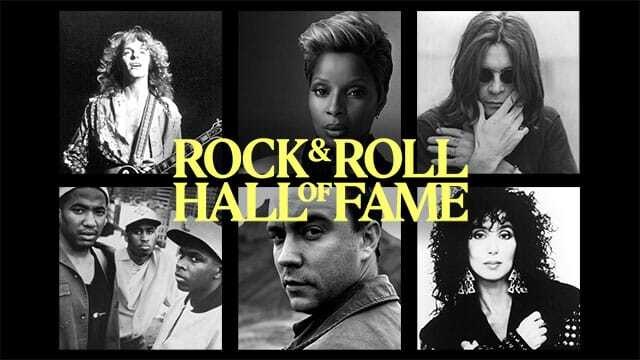
This past week, there has been a lot of discussion around race, genre, and musical history after some remarks made by KISS bassist and co-founder Gene Simmons, who criticized the Rock & Roll Hall of Fame for inducting various R&B and hip-hop artists. His comments sparked intense criticism and reignited a long-running debate about the influence of Black musicians on rock & roll and almost every major American music genre.
The Rock and Roll Hall of Fame and Its Evolving Definition
Founded in Cleveland, Ohio, the Rock and Roll Hall of Fame was established in 1983 to honor artists who have played major roles in the growth and evolution of rock music. But over time, the meaning of “rock and roll” has widened beyond conventional rock to include performers whose work mirrors the wider spirit and cultural impact of the genre.
Now various R&B, soul, funk, and hip-hop artists have been inducted as a result of this broad interpretation. With some of this year’s newest additions including Lauryn Hill, Mariah Carey, Sade, Luther Vandross, New Edition, and the Wu-Tang Clan.
Still, conventional rock musicians and fans believe the institution should concentrate solely on classic rock artists.

Gene Simmons’ Controversial Comments
During an appearance on the “Legends N Leaders” podcast while discussing the newest inductees, Gene Simmons criticized the inclusion of rap artists and questioned why rock bands like Iron Maiden had not yet been inducted. During the conversation, Simmons said:
“It’s [rap music], not my music. I don’t come from the ghetto. It doesn’t speak my language.”
His comment quickly went viral and was widely criticized online for its racist undertones, particularly because the term “ghetto” has historically been used in derogatory ways toward Black communities.
Simmons later defended his comments, stating that he did not intend them to be racist and that he respects Black music. He also acknowledged that rock music itself has deep roots in Black culture but maintained that hip-hop is a separate genre that should not be included in the Rock & Roll Hall of Fame.
Despite these explanations, the backlash continued, with many artists and commentators arguing that Simmons’ comments reflected a larger pattern of dismissing Black musical contributions.
Black Artists: The True Pioneers of Rock and Roll
Looking back at the history of rock music artists like Chuck Berry, Little Richard, Sister Rosetta Tharpe, and Bo Diddley paved the way for rock and roll. Their guitar riffs, their specific singing style, and stage shows defined the style decades before many white rock bands became well-known.
Many believe Sister Rosetta Tharpe’s electrified guitar playing in the 1930s and 1940s to be the genesis of contemporary rock guitar. Countless rock songs used Chuck Berry’s songwriting and signature riffs as templates, and Little Richard’s performances and bold fashion choices helped shape most of the mindset connected with rock music.
Rock music in the form many people know today would not exist without these artists.

Hip-Hop and the Continuing Evolution of Rock Culture
Hip-hop upholds the heritage of musical invention that we see in early rock and roll. Hip-hop, just like rock, is a form that many use to express themselves and engage in social critique.
Many artists like Ice Cube and groups such as Public Enemy have utilized hip-hop to criticize political systems, fight racial injustice, and amplify the voices of those often ignored by mainstream media.
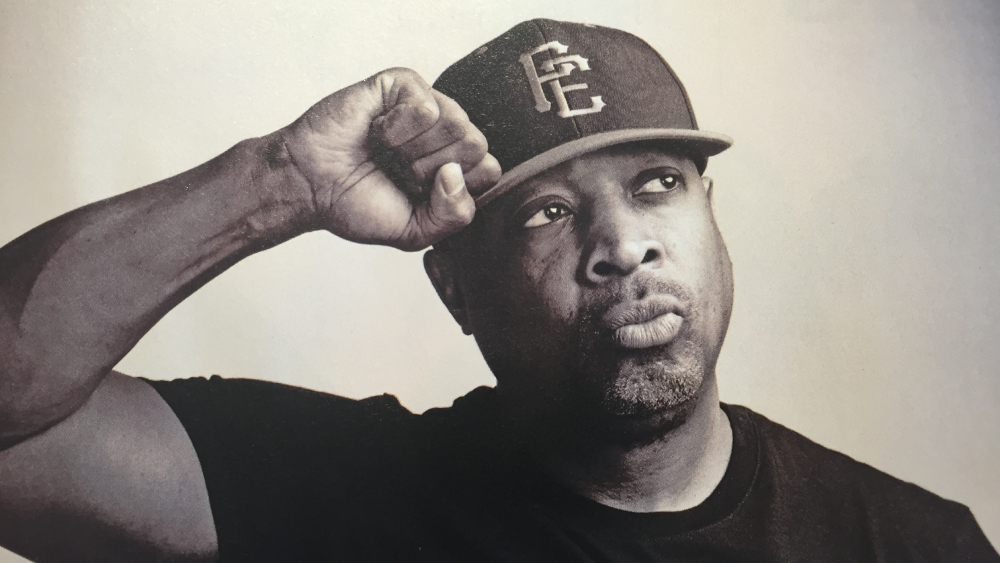
Chuck D of Public Enemy stated in reaction to Simmons’ remarks that rock and roll should be seen as a cultural spirit rather than as a constrained genre, as there are many styles that share the defiant energy that characterizes rock music.
This viewpoint fits with the Rock & Roll Hall of Fame’s larger definition of rock as a changing artistic form influenced by several musical styles.
A Larger Conversation About Race and Recognition
All in all, the Gene Simmons controversy reveals a bigger issue in the music industry: the inability to acknowledge Black contributions to various music genres. Although many white rock artists became very popular, the musical ideas driving their work came from Black musicians, and it is important to acknowledge all of the past and living legends who have been and are still currently shaping this industry into what it is.