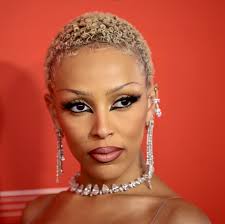
The majority of music lovers have an artist on their playlist, deemed their guilty pleasure. You know the artist has done some questionable things in the past, actions that have led them to be “cancelled,” by the public. Yet, you can’t help but listen to one of their songs every now and then, because it’s just too good. You don’t try to justify their actions or defend them, but you may not want people to discover your simple pleasure. On the other hand, you see fans unashamed and praising the artist you feel so guilty for listening to. The music industry doesn’t seem to care, with new features and collaborations promoted every other month. Leaving you the question of is there such a thing as being cancelled and when is music restriction too far?
Public opinions are always changing and evolving. What was once acceptable ten years ago or even two days ago, can face huge amounts of scrutiny. Although artists who thrive on problematic think pieces maintain the belief that all press is good press. The high levels of criticism from the media, public, and fans can create stress for listeners and artists alike. However the term, “separating the art from the artist,” is becoming a common reply to these dilemmas. It can be argued that certain musicians have always been problematic. Despite their dishonorable actions, they continue to sell music. In recent years with the rise in media access and less safeguards between artists and the public, fans are finding it difficult to ignore the troubling behavior.
Doja Cat, a musician that went viral after the release of “MOOO!” in 2018, is an artist that has thrived through many “cancelled,” cycles. One of these cycles occurred after she dissed her fanbase in a tweet. Doja tweeted, “planet her and hot pink were cash-grabs and yall fell for it. now i can go disappear somewhere and touch grass with my loved ones on an island while yall weep for mediocre pop.” Many took offense to her statement, saying that she should not bite the hand that feeds her. Others argued that she is incapable of making songs that are not, “mediocre pop.” However, three months later, Doja released, “Paint the Town Red.” The song did numbers on the charts, reaching the number one spot on the Billboard Top 100.
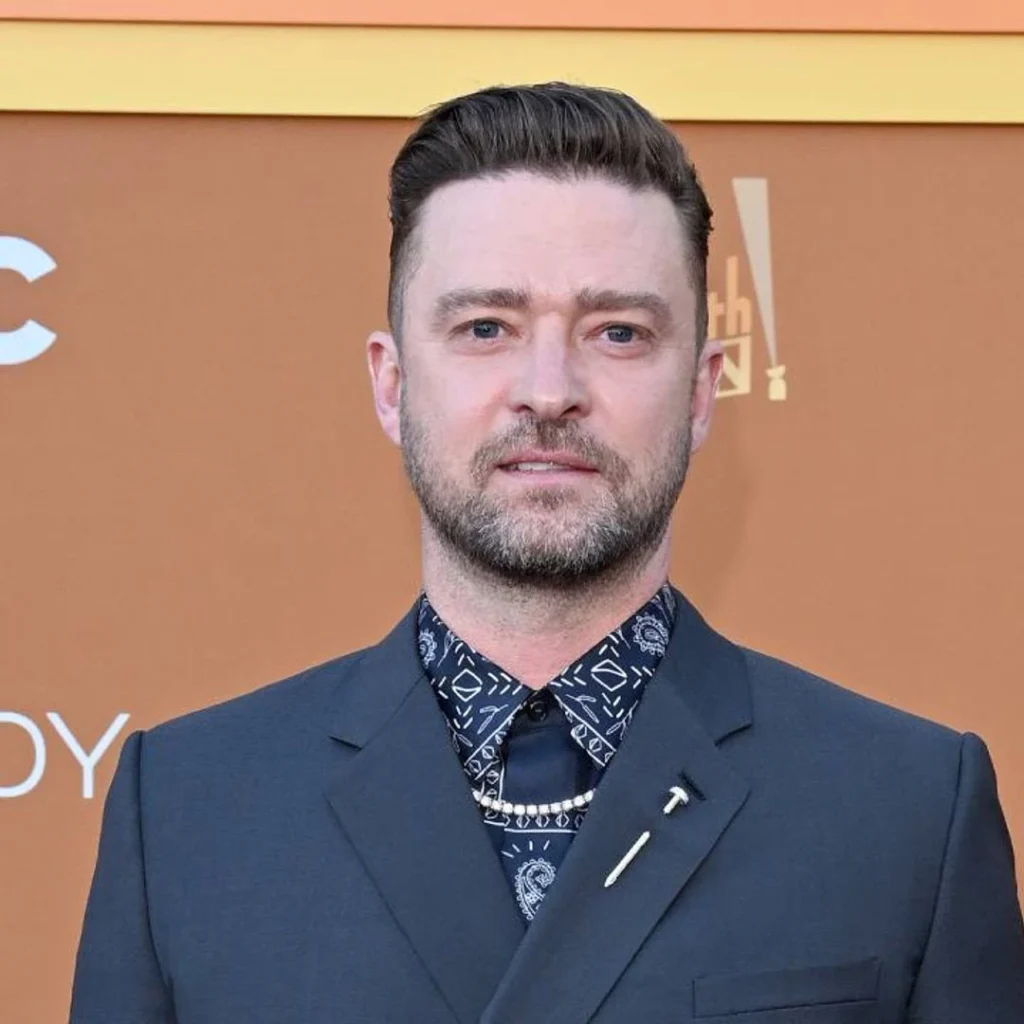
Other “cancelled” artists such as Chris Brown, Ye, and Morgan Wallen have continued to find success in their music careers. Contrarily, Justin Timberlake has had a hard time in the media as of late. After the release of Britney Spears’ memoir and the resurgence of the 2004 superbowl incident, fans turned on Timberlake. To make matters worse, Timberlake’s public DWI arrest transformed him into an unsatisfactory meme. The statement, “This is gonna ruin the tour,” went viral with people creating merch. Although his tour continues, Timberlake has not recovered his once popular public image.
Cancel culture was supposed to hold artists accountable for their actions, but now appears as a joke. It can be beneficial for those to boycott and criticize behavior, but when the public is not on the same side, it is nearly useless. However, public opinion aside, the decision is yours. Whether you want to boycott or support an artist, no one can truly stop you.