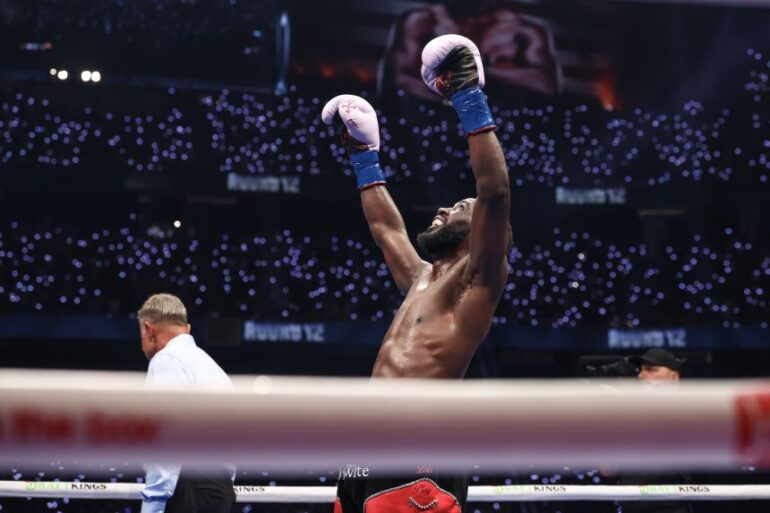
In a shocking turn of events, Terence Crawford has defeated Saul ‘Canelo’ Alvarez, leaving the boxing world in disarray. The match, which many anticipated would be a monumental clash, has instead raised questions about Canelo’s future and the super middleweight division at large.
Right off the bat, it’s essential to acknowledge that this defeat wasn’t just a loss for Canelo; it was a significant turning point in boxing. Crawford, a smaller fighter stepping up to face a giant in Canelo, showcased a performance that not only silenced critics but also highlighted the flaws in Canelo’s game plan.
Crawford’s victory was not merely about winning the fight; it was about establishing dominance in a division that has seen its fair share of controversy. The fight was hyped as a battle for all the belts, yet many in the boxing community felt it lacked the substance that comes with a true championship bout. As one boxing commentator put it, the fight resembled a ‘video game fight’ rather than a genuine contest of skill.
In the lead-up to the fight, there were murmurs that Canelo was considering alternatives, such as a bout with Jake Paul, which would have made more financial sense but also raised questions about Canelo’s commitment to the sport. Instead, he chose to face Crawford, likely underestimating the welterweight champion’s abilities.
Crawford’s performance against Canelo was nothing short of remarkable. He entered the ring with confidence and executed a strategy that completely neutralized Canelo’s strengths. The fight revealed Canelo’s weaknesses, particularly his lack of a solid jab and his reliance on power punches, which proved ineffective against Crawford’s speed and agility.
Fans and analysts alike have begun to speculate about Canelo’s future in light of this loss. Many are calling for him to switch trainers or even consider retirement. At 35, Canelo is still in his prime, but in boxing years, he is seen as an aging fighter. The question now is whether he can rebound from this defeat or if his best days are behind him.
On the other hand, Crawford’s future looks promising. He has established himself as a formidable opponent and is now in a position where he can dictate the terms of his next fights. However, the boxing community also faces the dilemma of potential matchups that could either elevate or hinder Crawford’s career. Will he take on bigger fighters like David Benavidez or move back down to face less formidable opponents?
The implications of this fight extend far beyond the ring. With Canelo’s loss, the super middleweight division is left in a state of uncertainty. Fans are clamoring for action, but with Crawford’s sporadic fight schedule—having fought only once a year for the last five years—the division seems stagnant.

Moreover, the economic impact of the fight has not gone unnoticed. Reports suggest that the event did not generate the expected revenue, leaving many to question the viability of such high-profile matchups in today’s boxing landscape. The fallout from this fight may lead to a reassessment of how big fights are marketed and structured.
Crawford’s victory over Canelo has sparked a crucial conversation about the future of boxing. Are we witnessing the decline of a once-great champion, or is it merely a bump in the road for Canelo? And what does this mean for the super middleweight division? The boxing world is eagerly awaiting answers as the dust settles from this monumental fight.
In conclusion, while Crawford’s victory is a personal triumph, it also raises significant questions about the future of boxing and its champions. As we unpack the ramifications of this fight, one thing is clear: the landscape of boxing is changing, and fans will be watching closely to see what comes next.