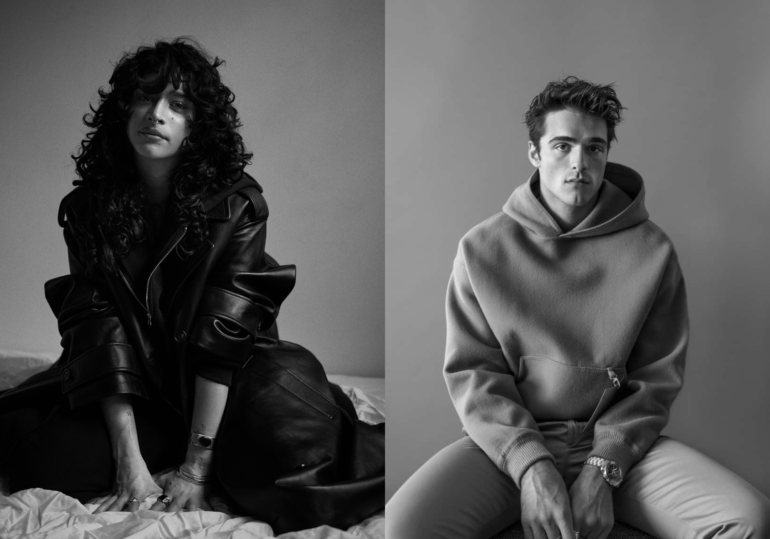
Hollywood is confronted with yet another casting and representation controversy. Two quite different films, Deep Cuts and Wuthering Heights, started discussions on who gets to tell whose stories and how much loyalty (or accountability) comes with recreating successful novels. Deep Cuts evolved into a case study in embracing varied representation and responsibility, but Wuthering Heights fell under fire from fans who claim its casting choice takes away from the cultural identity of the main character.
The Deep Cuts Recasting
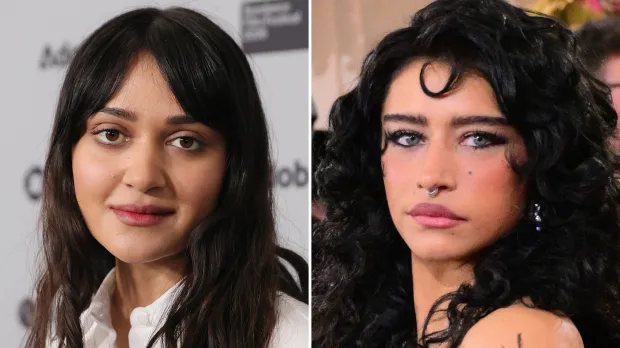
Deep Cuts, an indie drama that is set to get released in 2027, has seen a significant casting change. Initially Odessa A’zion, who is Jewish, was cast to play Zoe Gutierrez, a character from Holly Brickley’s 2025 book who is both Jewish and Mexican, several weeks ago. However, many were unhappy with the casting, as A’zion does not share Zoe’s Latinx background.
A’zion ultimately withdrew from the role rather than fighting the criticism. In a statement she had posted to her Instagram, she regretted having taken on a role at odds with the character’s identity and admitted not knowing Zoe’s history at first but acknowledged that a Latina actress would better suit the narrative for this film.
Following her leave, Jewish and Mexican American actress Ariela Barer was revealed to be the new actress for Zoe. Many people applauded Barer’s casting, as it both respected the source material and showed audiences that there is a commitment to change and listen to feedback.
A Classic Reimagined — But At What Cost?
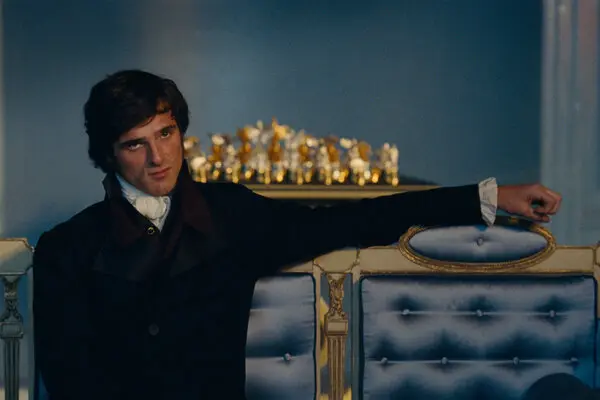
Compare that with the backlash around Emerald Fennell’s 2026 adaptation of Wuthering Heights, inspired by Emily Brontë’s 1847 novel. Though Fennell’s interpretation has been lauded for being provocative and emotionally charged, many have not approved of its casting choices, notably for the part of Heathcliff.
In Brontë’s novel, Heathcliff is described as a “dark-skinned gipsy,” or “Lascar,” whose status as an outsider undergoing discrimination and othering by those around him plays a significant role in his characterization. Nevertheless, Fennell gave the part to Jacob Elordi, a white Australian actor, stating in an interview that the way Heathcliff was described in the book, did not align with the way she had imagined him.
Still, many find that this casting takes away from the racial and cultural setting that explains a lot about how the character navigates the world. By casting Elordi, the movie eliminates the lived experience of otherness that shows why Heathcliff is treated so poorly and is hated by many.
Artistic Vision vs. Structural Responsibility
Supporters of Fennell’s decision have argued that Wuthering Heights is an adaptation inspired by the book and does not have to be a one-to-one adaptation. However, others claim that casting Elordi not only robs viewers of seeing a depiction of a person with lived experiences outside the white gaze but also supports the ongoing discussion around race in period fiction.
Ultimately, many consider Wuthering Heights to be a step back in contrast to Deep Cuts, where the recast enhanced the opportunity for representation and layered storytelling about identity.
Casting as Cultural Text
All in all, what we can learn from the castings for Wuthering Heights and Deep Cuts is that representation can be a strength rather than a weakness when productions listen and see value in their audience. On the other hand, we can also see the impacts of when culture and representation are neglected in favor of a subjective interpretation.