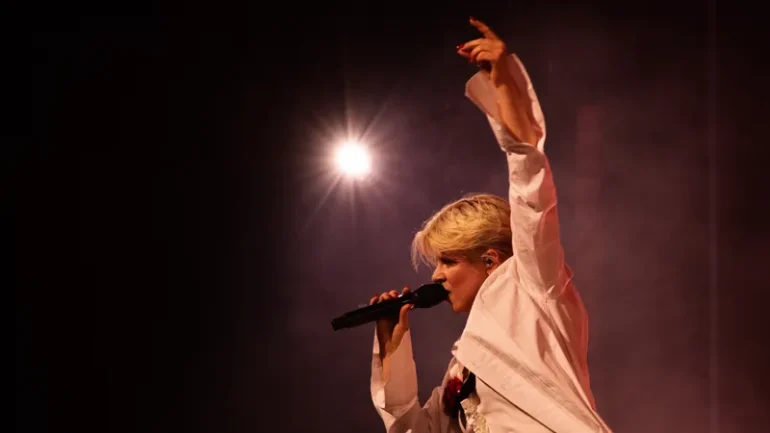

Robyn, the Swedish pop icon who once championed a specific brand of melancholic dance-pop for the thinking introvert, now commands stadium stages with a newfound bravado. This transformation – mirrored, albeit in different registers, by artists like RAYE and Becky G – speaks volumes about the evolving landscape of vulnerability, ambition, and self-expression in contemporary pop music.
The journey to this point is paved with carefully constructed personas, public reckonings, and a constant negotiation between artistic integrity and mainstream appeal. These artists, once defined by niche sounds or specific cultural identities, are now operating on a global stage, pushing boundaries and redefining what it means to be a pop star in the 21st century.
Context & Timeline: Shifting Sands of Pop Identity
To understand this shift, consider the trajectories of Robyn, RAYE, and Becky G:
- Robyn: Emerging in the 90s with teen-pop hits like “Show Me Love,” Robyn quickly grew disillusioned with the industry’s control. She famously went independent in the early 2000s, founding Konichiwa Records and releasing her self-titled album in 2005, signaling a move towards more experimental and emotionally nuanced music. This era cemented her status as a critical darling and a champion of artistic independence. Tracks like “Dancing On My Own” became anthems of heartbreak and resilience, resonating with a generation of listeners who valued authenticity over manufactured perfection.
- RAYE: Starting as a songwriter for other artists, RAYE struggled to release her own music under a major label. Her frustration with this control led to a very public split from Polydor Records, which she called out for stifling her creativity. This act of defiance resonated with many artists and fans who felt similarly constrained by the traditional music industry. Free from label constraints, RAYE released her critically acclaimed debut album, “My 21st Century Blues,” showcasing her versatility and willingness to tackle difficult topics like sexual abuse and addiction.
- Becky G: Initially gaining recognition for her covers and collaborations, Becky G navigated the complexities of being a young Latina artist in the American music industry. She transitioned from English-language pop to Spanish-language música urbana, embracing her heritage and finding massive success with hits like “Mayores.” This move allowed her to connect with a broader audience and establish herself as a leading voice in Latin pop. More recently, she has become more vocal about women’s empowerment and cultural pride, using her platform to advocate for social change.
Conflict & Reactions: When Vulnerability Becomes a Commodity
These transformations have not been without their challenges. Robyn’s initial foray into mainstream pop was met with resistance from fans who preferred her indie sensibilities. RAYE’s public battle with her label sparked a broader conversation about artist rights and the power dynamics within the music industry, drawing support from fellow musicians and industry insiders. Becky G has faced criticism for perceived cultural appropriation and for navigating the often-contradictory expectations placed on women in the Latin music industry. These instances reveal a central tension: how do artists maintain authenticity while navigating the demands of fame and the ever-watchful gaze of social media?
The media plays a significant role in shaping these narratives. Outlets like Billboard and The New York Times have chronicled these artists’ journeys, often framing their struggles as evidence of their commitment to artistic integrity. However, the same media can also amplify controversies and contribute to the pressure to conform to certain expectations. The constant cycle of praise and criticism can be exhausting, forcing artists to constantly defend their choices and adapt to changing trends.
Self-Admission or Evidence: The Price of Attention
In interviews, these artists have offered glimpses into their motivations. Robyn, in a conversation with Vogue, has spoken about the importance of maintaining control over her creative output and resisting the pressure to compromise her artistic vision. RAYE has been particularly candid about her struggles with mental health and addiction, using her music as a form of therapy and a way to connect with others who have faced similar challenges. As she stated in an interview with NME, “I’m not afraid to be vulnerable anymore. I’ve learned that my pain is not something to be ashamed of, but something to share.” Becky G has emphasized the importance of representing her community and using her platform to advocate for social justice. She stated in an interview with People, “I want to use my voice to empower other Latinas and show them that anything is possible.”
These statements reveal a common thread: a desire to connect with audiences on a deeper level, to share personal experiences, and to use their influence for good. However, they also highlight the inherent contradictions of fame. As artists become more vulnerable, they also become more exposed, more susceptible to criticism, and more reliant on the very system they may be trying to resist.
Cultural Analysis: Authenticity in the Age of Performance
The journeys of Robyn, RAYE, and Becky G reflect a broader cultural pattern: the increasing emphasis on authenticity in a world saturated with manufactured images and carefully curated online personas. In an era defined by social media, reality television, and influencer culture, audiences are craving something real, something that feels genuine and relatable. This craving has created a demand for artists who are willing to be vulnerable, to share their struggles, and to connect with fans on a personal level.

However, this emphasis on authenticity can also be problematic. As critic Jia Tolentino argues in her book Trick Mirror, the pressure to perform authenticity can be just as constricting as the pressure to conform to traditional beauty standards or societal expectations. Artists may feel compelled to share increasingly personal details in order to maintain their relevance, blurring the lines between public and private, and potentially exploiting their own vulnerabilities for attention.
The concept of “relevance” itself is also undergoing a transformation. In the past, relevance was often determined by record sales, radio airplay, and mainstream media coverage. Today, however, relevance is increasingly measured by social media engagement, streaming numbers, and viral trends. This shift has created a more fragmented and unpredictable landscape, where artists can achieve fame and influence without necessarily conforming to traditional industry standards. However, it has also created a pressure to constantly adapt to changing trends and to maintain a constant online presence, which can be exhausting and unsustainable.
Cultural authority is no longer solely determined by established institutions like record labels or media outlets. Instead, it is increasingly distributed among individuals and communities who have the power to amplify their voices through social media. This democratization of authority has created new opportunities for artists to connect with audiences and to build their own platforms. However, it has also created new challenges, as artists must navigate a complex and often-polarized online environment, where any misstep can be amplified and scrutinized.
Conclusion: The Weight of Vulnerability
Robyn, RAYE, and Becky G represent a new breed of pop star: artists who are willing to be vulnerable, to challenge the status quo, and to use their platforms to advocate for change. However, their journeys also highlight the inherent contradictions of fame and the challenges of maintaining authenticity in a world saturated with manufactured images. As the cultural landscape continues to evolve, it remains to be seen whether their current strategies will continue to resonate with audiences. Will vulnerability remain a source of power, or will it become just another performance?
Ultimately, the success of these artists will depend on their ability to navigate the ever-changing demands of the music industry while staying true to their own artistic visions. Their stories serve as a reminder that authenticity is not a fixed quality, but a constantly evolving process, a negotiation between personal expression and the demands of a complex and often unforgiving world.