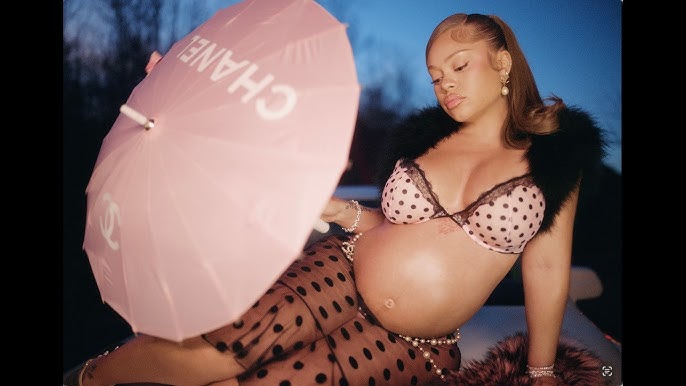
Just a few years ago, Latto, then known as Mulatto, was aggressively defending her stage name against accusations of colorism, arguing it was simply a reflection of her mixed heritage. She rapped about trapping and flaunted a hyper-sexualized image, solidifying her place in the male-dominated world of Atlanta trap music. Now, she’s unveiled the cover for her new album, ‘Big Mama,’ cradling a pregnant belly. This isn’t just a personal evolution; it’s a cultural earthquake, signaling a profound shift in how female rappers navigate fame, power, and the ever-present pressure to conform.
The journey from Mulatto to Latto is a study in reinvention. Initially, she gained traction with hard-hitting tracks like “Bitch From Da Souf,” unapologetically embracing the aesthetics of Southern trap. Winning the first season of Jermaine Dupri’s reality show, *The Rap Game* in 2016 set her on a path to stardom. This era was marked by lyrical content focused on sexual prowess and street credibility, typical for female rappers breaking into the industry. However, even early on, Latto hinted at a desire for more than just trap stardom, expressing admiration for artists like Nicki Minaj, who successfully blended hardcore rap with mainstream appeal.
The controversy surrounding her original stage name, Mulatto, became a turning point. Critics and fans alike pointed out the term’s historical connection to slavery and its perpetuation of colorism within the Black community. While Latto initially defended the name, citing her biracial identity, the backlash intensified. In 2021, she officially rebranded as Latto, a move she described as necessary for growth and maturity. “I’m not gonna sit here and say, ‘Oh, it doesn’t affect me,’ because it do,” she said in an interview with Hot Freestyle, acknowledging the impact of the criticism.
The release of “Big Energy” in 2021 marked a significant shift in her musical style. The track, sampling Tom Tom Club’s “Genius of Love,” was a commercial smash, catapulting Latto into the mainstream. She followed this success with collaborations with artists like Mariah Carey and DJ Khaled, further solidifying her pop crossover appeal. This period also saw a change in her public persona, with Latto increasingly speaking out on social issues and advocating for female empowerment.
Now, the pregnancy reveal is more than just a personal announcement; it’s a carefully constructed narrative pivot. By embracing motherhood on the cover of “Big Mama,” Latto is directly challenging the hyper-sexualized image often imposed on female rappers. The album title itself, “Big Mama,” evokes images of matriarchal strength and wisdom, suggesting a deeper exploration of womanhood beyond the confines of traditional rap tropes.
The response has been predictably mixed. Some fans have lauded Latto for embracing motherhood and redefining what it means to be a successful female rapper. Others have accused her of hypocrisy, pointing to her earlier sexually explicit lyrics and image. Online forums and social media platforms are filled with debates about whether this new image is authentic or simply a calculated career move. The pregnancy announcement inevitably invites comparisons to other female rappers who have navigated motherhood in the public eye, such as Cardi B, whose experiences have been both celebrated and scrutinized.
Industry insiders are watching closely to see how this new chapter will affect Latto’s career trajectory. While some believe that motherhood will enhance her relatability and broaden her appeal, others worry that it could alienate her core fanbase. The financial implications are also significant, as motherhood often leads to changes in touring schedules and promotional activities. The pressure to balance career and family is particularly intense for female artists in the entertainment industry.
Latto herself has been relatively guarded about her personal life, rarely commenting on her relationships or future plans. However, the album cover speaks volumes, suggesting a willingness to embrace vulnerability and challenge expectations. In a recent interview with *Billboard*, she hinted at a desire to use her platform to inspire other young women, stating, “I want to show them that you can be strong and successful without sacrificing your femininity or your values.”
This transformation reveals a broader cultural pattern: the negotiation of power and authenticity in the modern media landscape. Female artists, in particular, are constantly pressured to conform to conflicting ideals – to be both sexually appealing and respectable, both independent and relatable. Latto’s journey reflects the challenges and opportunities that arise when these expectations collide. Her initial embrace of hyper-sexualized imagery can be seen as a strategy for gaining attention in a male-dominated industry, while her subsequent pivot towards motherhood represents a desire for greater control over her narrative and image. The tension between relevance and legacy is a recurring theme in the careers of many contemporary artists. In an era of fleeting fame and constant reinvention, maintaining cultural authority requires a delicate balance of authenticity and performance.
The rise of social media has further complicated this dynamic. Artists now have unprecedented control over their public image, but they are also subject to constant scrutiny and criticism. The pressure to stay relevant can lead to calculated moves and manufactured controversies, blurring the lines between genuine expression and strategic self-promotion. The ability to cultivate a dedicated online fanbase has become essential for success, but it also comes with the risk of alienating audiences with perceived inauthenticity.
Ultimately, Latto’s success will depend on her ability to integrate this new identity into her artistic vision. If she can authentically connect with her audience on a deeper level, she may be able to transcend the limitations of the female rap stereotype and establish herself as a cultural icon. However, if her pregnancy announcement is perceived as a cynical ploy for attention, she risks losing credibility and relevance. In a rapidly changing cultural landscape, the rules of the game are constantly being rewritten. Only time will tell whether Latto’s latest reinvention will carry weight in the long run.