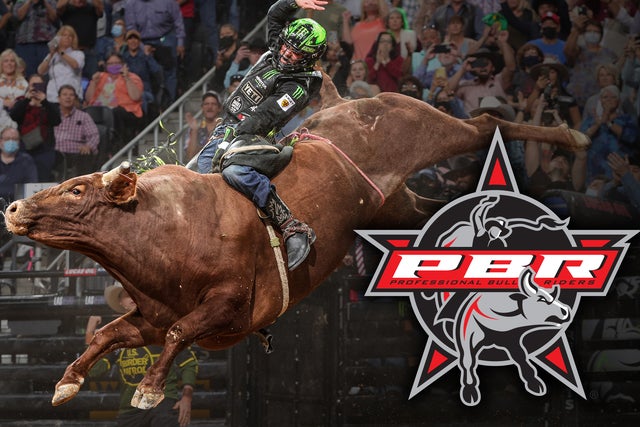
PBR hosting their finale at T-mobile on October 2026.
There was a time, not long ago, when professional bull riding was defined by the singular, lonely myth of the individual. It was a sport of the “long loner”—one man, one beast, and a scoreboard that accounted only for personal grit. To look at the Professional Bull Riders (PBR) circuit a decade ago was to see a traveling caravan of independent contractors, athletes who lived and died by their own percentages, competing for a gold buckle that signified individual supremacy.
But as the Kansas City Outlaws prepare to host the 2026 PBR Teams League regular season finale at the T-Mobile Center this October, the silhouette of the sport has fundamentally shifted. The dust in the arena no longer settles on a solitary figure; it settles on a bench, a coach, and a franchise identity. The transformation of PBR from a solo endurance test into a high-stakes team sport—complete with “Outlaw Days” festivals and localized tribalism—isn’t just a marketing pivot. It is a calculated evolution that reflects a broader cultural obsession with collective branding, regional loyalty, and the institutionalization of the “rebel” archetype.
The Evolution of the Outlaw
The trajectory of the Kansas City Outlaws serves as a perfect microcosm for this industry-wide sea change. In the early days of the PBR, founded in 1992 by 20 visionary bull riders who broke away from the traditional rodeo circuit, the “Outlaw” spirit was literal. It was about autonomy. The riders were the owners, the talent, and the brand.
By the mid-2010s, however, the PBR began to hit a ceiling common to individual-performance sports like tennis or golf: without a recurring “home team” narrative, it was difficult to maintain year-round regional engagement. The introduction of the PBR Teams league in 2022 changed the math. Suddenly, the nomadic rider was tethered to a city.
The Kansas City Outlaws, owned by Pulley Ridge Capital, were positioned from the start as the gritty, blue-collar heartbeat of the league. Under the leadership of head coach J.W. Hart, known in the industry as the “Ironman,” the team leaned into a brand of discipline that seemed to contradict the very “Outlaw” name they adopted. This tension—between the chaotic, unbridled nature of bull riding and the rigid structure of a professional sports franchise—is where the modern PBR finds its new identity.
The Friction of the Franchise
This shift has not been without its critics or its cultural friction. Traditionalists initially balked at the idea of “coaching” a bull rider. In a sport where the primary instruction has historically been “hold on,” the introduction of playbooks and trade deadlines felt like an unnecessary layer of corporate varnish.
The backlash wasn’t just about the rules; it was about the loss of the “cowboy” as a free agent. Industry veterans questioned if the team format would dilute the payout for top-tier riders or if the regional branding would feel forced in cities not traditionally associated with Western culture.
Yet, the media framing has largely pivoted from skepticism to fascination. Outlets like Billboard and Variety have noted the PBR’s success in mimicking the “festivalization” model used by the F1 and the UFC. By turning a weekend of bull riding into “Outlaw Days”—a multi-day cultural event—the league has successfully convinced a younger, more urban demographic that bull riding is a lifestyle brand, not just a rural pastime. The controversy of “corporatizing the cowboy” has been drowned out by the sheer economic success of the team model, which saw record attendance and viewership in its first few seasons.
Strategic Provocation: The Motivation of Relevance
The leaders of this movement are candid about the necessity of this shift. In interviews, PBR CEO Sean Gleason has often pointed to the need for “relevance” in a fractured media landscape. The goal was to move from a “niche interest” to a “mainstream powerhouse.”
The “Outlaw” branding itself is a strategic masterstroke of curated rebellion. By naming a team the Outlaws, the franchise acknowledges the sport’s history of defiance while simultaneously wrapping it in the safe, marketable confines of a jersey. As J.W. Hart famously noted regarding the team’s philosophy, the goal is to find riders who have a “chip on their shoulder”—athletes who feel overlooked by the traditional system but are willing to buy into a collective mission. This is the paradox of the modern media ecosystem: to be a successful rebel, you now need a support staff, a social media manager, and a home stadium.
Analysis: Authenticity in the Age of Performance
The rise of the Kansas City Outlaws reflects a broader cultural pattern: the institutionalization of the edge. In 2026, “authenticity” is no longer a natural state; it is a performance that requires significant capital.
We see this across the cultural spectrum. Whether it is the professionalization of “indie” music or the corporate sponsorship of “underground” street art, the modern audience craves the aesthetic of the outsider but the reliability of the institution. The PBR Teams league provides exactly that. It offers the visceral, dangerous thrill of the 1970s rodeo, but with the high-definition replays, safety protocols, and statistical analytics of the NFL.
Furthermore, the “Outlaw Days” phenomenon highlights the shift from watching a sport to participating in its ecosystem. The festival—complete with live music, merch drops, and community activations—suggests that the ride itself is only 20% of the product. The other 80% is the sense of belonging. In an era where digital isolation is at an all-time high, the PBR has realized that people don’t just want to see a man ride a bull; they want to wear the same colors as 15,000 other people while he does it.
The Verdict on the New Frontier
As the Outlaws head into the T-Mobile Center for the 2026 finale, the stakes are higher than a simple win-loss record. They are defending a new version of the American West—one that is diverse, urban-adjacent, and unapologetically commercial.
The question remains: Does the “Outlaw” identity carry weight when it is part of a sanctioned, scheduled regular-season finale? In many ways, the answer is irrelevant. The transformation is complete. The cowboy has traded the open range for the luxury suite, and the audience has followed him there.
The Kansas City Outlaws aren’t just a bull riding team; they are a symptom of a culture that has learned how to bottle lightning without getting burned. Whether this “sanitized rebellion” can maintain its soul over the long term is a question for the next generation of riders. For now, as the pyrotechnics go off in Kansas City this October, it’s clear that the new West isn’t won with a lonesome whistle—it’s won with a franchise agreement.