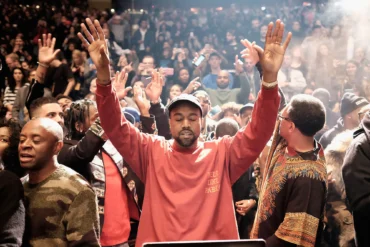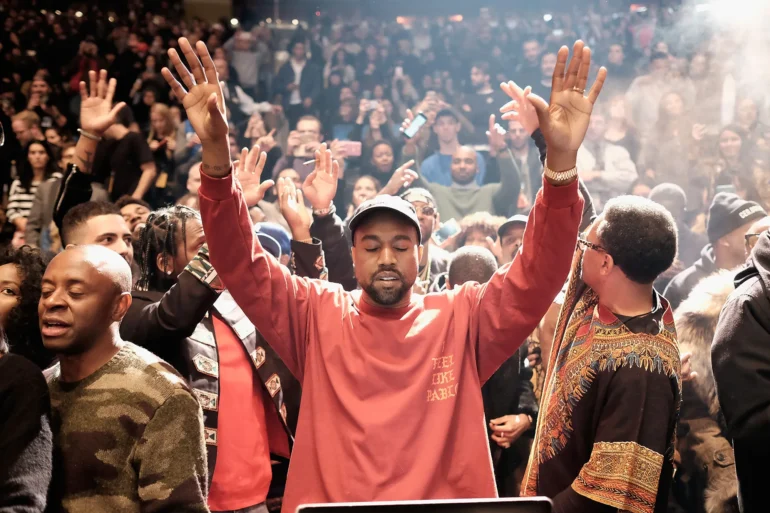
Once a beacon of creative innovation and unapologetic self-expression, Kanye West, now Ye, finds himself increasingly walled off from the global stage. The recent reported denial of his U.K. visa, purportedly leading to the cancellation of his Wireless Festival appearance, is more than a logistical hiccup; it’s a stark illustration of how quickly public perception can shift when artistic genius is perceived to be overshadowed by controversial actions.
The trajectory is a familiar one, yet no less jarring. This is the same Kanye West who, in the early 2000s, burst onto the scene with The College Dropout, a refreshing alternative to the hyper-masculine tropes dominating hip-hop. He championed individuality, challenged industry norms, and delivered socially conscious lyrics that resonated with a generation. His subsequent albums, from the genre-bending 808s & Heartbreak to the maximalist My Beautiful Dark Twisted Fantasy, solidified his reputation as a visionary artist willing to push boundaries. During this era, West wasn’t just a musician; he was a cultural commentator, unafraid to speak his mind on issues of race, politics, and social justice.
The seeds of the present predicament were sown gradually. The infamous 2009 MTV Video Music Awards interruption of Taylor Swift marked an initial crack in his public image, revealing a volatile and attention-seeking side. While West apologized, the incident foreshadowed a pattern of impulsive behavior and public outbursts that would become increasingly prevalent. His foray into fashion, while initially celebrated for its innovative designs and disruptive spirit, also became a platform for controversial statements and questionable collaborations. The embrace of MAGA politics and open support for Donald Trump represented a significant turning point, alienating a large segment of his fanbase and sparking widespread criticism. This period was further complicated by erratic behavior, including bizarre interviews, rambling speeches, and increasingly provocative social media posts. These actions stood in stark contrast to the socially conscious artist he once presented himself to be.
More recently, West’s descent into antisemitism has been particularly damaging. His repeated amplification of antisemitic tropes and conspiracy theories, including the infamous “death con 3 on JEWISH PEOPLE” tweet, led to widespread condemnation, the severing of lucrative business partnerships with Adidas and Gap, and a significant decline in public support. The backlash was swift and decisive, with many prominent figures in the entertainment industry and beyond denouncing his comments. The Anti-Defamation League (ADL) has meticulously documented West’s antisemitic remarks, providing a comprehensive record of his harmful rhetoric. In December 2023, West released the song “Vultures” which featured the lyrics “How am I anti-Semitic? I just fucked a Jewish bitch.” Following the controversial lyrics, West doubled down and defended his lyrics. The chorus of outrage has grown, with many calling for a complete boycott of his music and products.
West, or Ye, has often seemed to implicitly acknowledge a desire for attention, even if it’s negative. His repeated insistence on being a disruptor, a provocateur, and a free thinker can be interpreted as a justification for his controversial actions. In various interviews, he has expressed a belief that controversy generates attention, which in turn fuels his creative output and maintains his relevance. While he has rarely explicitly admitted to seeking negative attention, his actions often suggest a willingness to court controversy, seemingly believing that any publicity is good publicity. However, the severity and persistence of his antisemitic remarks have crossed a line for many, leading to tangible consequences and a significant erosion of his cultural capital.
This situation reveals a troubling aspect of our current cultural moment: the precarious balance between artistic expression, personal responsibility, and the dangers of unchecked celebrity power. In an era dominated by social media and instant gratification, attention has become a valuable commodity, and some individuals are willing to go to extreme lengths to obtain it. West’s trajectory highlights the allure and the perils of this dynamic. His actions also reveal a concerning trend of blurring the lines between authenticity and performance. What was once perceived as genuine self-expression is now increasingly viewed as a calculated attempt to manipulate public opinion and maintain relevance. The question arises: at what point does artistic license become a shield for harmful rhetoric?
Moreover, West’s saga underscores the changing nature of cultural authority. In the past, artists and celebrities often wielded significant influence, shaping public discourse and setting trends. However, in today’s fragmented media landscape, cultural authority is more fluid and contested. While West once commanded a massive following and exerted considerable influence, his recent actions have alienated many of his supporters and diminished his standing. The rise of social media has also empowered marginalized voices and provided platforms for holding public figures accountable. This has led to a more critical and discerning audience, less willing to tolerate harmful rhetoric or unethical behavior.
The reported denial of West’s U.K. visa, therefore, is symbolic. It signifies a growing intolerance for hate speech and a recognition that even artistic genius does not grant immunity from accountability. It serves as a reminder that actions have consequences, and that the pursuit of attention at all costs can ultimately lead to isolation and irrelevance. Whether West can reclaim his former status as a cultural icon remains to be seen. However, his current trajectory serves as a cautionary tale about the fragility of fame, the importance of personal responsibility, and the enduring power of cultural values.
Ultimately, Ye’s story is not just about one man’s downfall; it is a reflection of our times. It forces us to confront uncomfortable questions about the role of celebrity, the responsibility of artists, and the limits of free speech. In a world increasingly saturated with information and opinion, it is more important than ever to exercise critical thinking, to hold public figures accountable, and to demand that those with power and influence use their platforms responsibly.