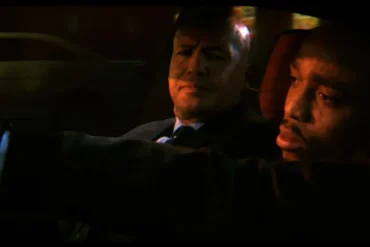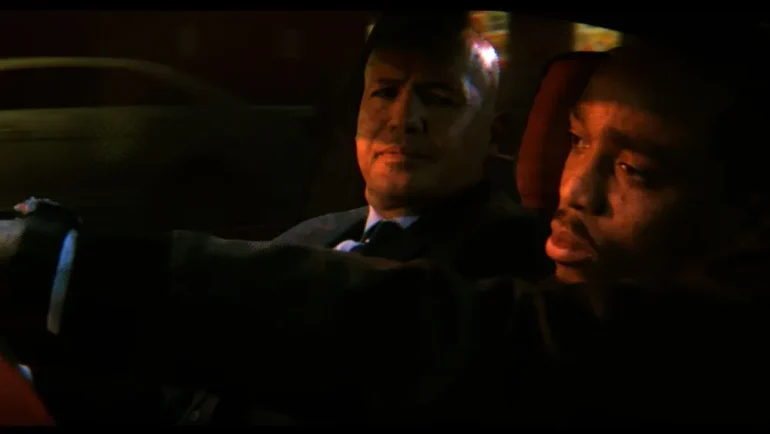
Just a few years ago, Quavo, alongside his Migos brethren, Takeoff and Offset, stood as a seemingly unbreakable unit, their collective charisma and innovative trap sound dominating the hip-hop landscape. Their mantra was unity, their brand intertwined. Now, with the release of the trailer for TAKEOVER, a film featuring Takeoff’s final on-screen appearance, Quavo finds himself navigating a solo spotlight, a stark contrast to the collaborative force that defined his rise. This film, ostensibly a tribute, arrives amidst questions of how artists grapple with profound loss while simultaneously managing their careers in an industry that demands constant reinvention and visibility.
The story of Migos is a quintessential saga of modern hip-hop, marked by meteoric ascendance, internal friction, and ultimately, tragedy. Here’s a breakdown:
The Early Reign: Migos burst onto the scene in the early 2010s, injecting a raw, energetic sound into the Atlanta trap scene. Their 2013 breakout hit, “Versace,” became an instant anthem, celebrated for its infectious rhythm and distinctive triplet flow. Early interviews and their general public persona emphasized their familial bond and collective ambition. They presented a united front, attributing their success to shared vision and unwavering loyalty. Their collaborative ethos was a core part of their brand.
Cracks in the Foundation: As Migos’ star continued to rise, whispers of internal discord began to surface. Offset’s solo endeavors and marriage to Cardi B often overshadowed the group’s collective achievements, leading to speculation about a potential power imbalance. While publicly they downplayed any issues, subtle signs of strain became evident in their individual projects and social media activity. Rumors persisted about creative differences and disputes over financial matters, although these were largely unconfirmed.
Takeoff’s Untimely Death: The tragic shooting of Takeoff in November 2022 sent shockwaves through the music world. Beyond the profound personal loss, it fundamentally altered the trajectory of Migos. The group, once seemingly invincible, was now irrevocably fractured. Quavo and Offset’s immediate reactions were raw displays of grief, but the subsequent months have been marked by complex navigation of personal mourning and professional obligations.
TAKEOVER and the Solo Spotlight: The release of the TAKEOVER trailer has ignited a fresh wave of discussion. While billed as a tribute to Takeoff, the film inevitably places Quavo at the center, raising questions about the ethics of profiting from tragedy and the delicate balance between honoring a legacy and furthering a career. The film’s release date, so close to the anniversary of Takeoff’s death, has also been a point of contention for some.
Public reaction to Quavo’s solo endeavors and the TAKEOVER film has been mixed. Some fans applaud his resilience and dedication to keeping Takeoff’s memory alive, viewing the film as a heartfelt homage. Others express skepticism, accusing him of exploiting Takeoff’s death for personal gain and questioning the timing of the release. The comments sections on social media and YouTube are battlegrounds of conflicting opinions, reflecting the sensitivity surrounding the situation. The lack of public reconciliation between Quavo and Offset after Takeoff’s death has also fueled speculation and criticism. Many fans hoped to see a united front of mourning, but the continued distance between the two surviving members has left a void.
Quavo himself has offered glimpses into his emotional state, acknowledging the immense pain of losing Takeoff. In an interview with Billboard, he described Takeoff as an irreplaceable part of his life and career, emphasizing his commitment to preserving his legacy. However, he has also asserted his right to continue making music and pursuing his own artistic vision, a sentiment that has been both praised and criticized. “I’m doing this for Take,” he stated, a justification that underscores the inherent tension between grief and ambition. This statement, while seemingly heartfelt, also reveals the awareness of the public perception and the need to frame his actions within the context of honoring Takeoff’s memory.

Quavo’s situation reflects a broader cultural pattern: the commodification of grief in the age of social media and the relentless pressure to maintain relevance in a rapidly evolving industry. The lines between authenticity and performance become increasingly blurred as artists are forced to navigate personal tragedies under the constant scrutiny of the public eye. The pursuit of legacy, once a gradual process unfolding over a career, is now accelerated and intensified, often intersecting with moments of profound personal loss.
The dynamics of power, attention, and influence are also at play. In the modern media ecosystem, visibility is paramount, and artists are often compelled to leverage every opportunity, even those arising from tragic circumstances, to stay relevant. This creates a complex ethical landscape where the pursuit of success can overshadow genuine mourning and respect for the deceased. The way cultural authority is gained, lost, or contested today is inextricably linked to the ability to manage public perception and navigate the ever-shifting currents of social media. An artist’s “brand” is no longer solely defined by their creative output, but also by their ability to curate a compelling narrative around their personal life, even when that narrative involves profound loss.
Ultimately, TAKEOVER and Quavo’s solo journey raise uncomfortable questions about the intersection of grief, ambition, and the relentless demands of the entertainment industry. In a cultural landscape saturated with content and fleeting attention spans, the pressure to capitalize on every opportunity, even those born from tragedy, is immense. Whether Quavo’s current strategy will ultimately solidify his legacy or be perceived as a misstep remains to be seen. But one thing is certain: his story serves as a poignant reflection of the complex and often contradictory forces shaping the modern music industry and the ever-evolving relationship between artists, their audiences, and the weight of their own legacies.