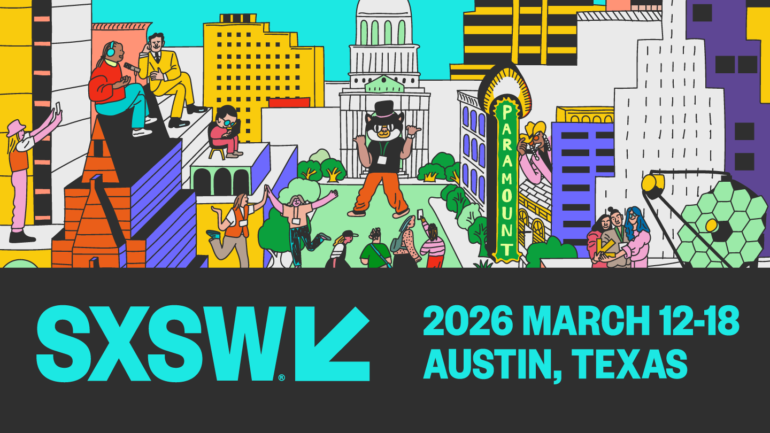
SXSW 2026. Just five years ago, the festival was synonymous with scrappy startups, breakthrough indie bands, and a generally optimistic vision of the internet’s potential. Now? Walking down 6th Street feels less like a glimpse into the future and more like navigating a meticulously branded dystopia, where every interaction is an opportunity for data collection and the line between art and advertisement has vanished entirely. This year’s festival wasn’t just about who won; it was about what we’ve lost.
The transformation has been gradual, then sudden. To understand SXSW 2026, you need to trace the trajectory.
The Early Days (2000s – Early 2010s): SXSW started as a music festival, plain and simple. It was about discovering new bands, connecting with fellow music lovers, and experiencing the raw energy of live performance. The Interactive portion was a scrappy underdog, a place where bloggers and early social media adopters gathered to share ideas. Remember when Twitter famously “broke out” at SXSW 2007? Those were simpler times, a moment when the internet felt genuinely democratizing. Early headliners included artists like Spoon and The White Stripes, bands celebrated for their authentic sound and independent spirit.
The Pivot to Tech (Mid 2010s): As social media grew, so did SXSW’s tech footprint. Startups flocked to Austin, drawn by the festival’s buzz and the promise of early adoption. The focus shifted from music discovery to product launches and VC networking. By the mid-2010s, brands like Samsung and Google were throwing massive parties, and the festival felt increasingly corporate. This era saw the rise of panels like “Monetizing Your Influence” and keynotes from tech CEOs, signaling a clear shift in priorities.
The Metaverse Mania (Early 2020s): The COVID-19 pandemic accelerated the digital transformation, and SXSW embraced the metaverse with open arms. Virtual reality experiences, NFT galleries, and blockchain panels dominated the agenda. While some genuinely innovative ideas emerged, much of it felt like hype, detached from real-world concerns. Remember the virtual concert featuring a holographic Post Malone in 2023? It was technologically impressive, but also strangely soulless.
SXSW 2026: The Saturation Point: This year, the metaverse hype has reached a fever pitch. Every other booth on the exhibition floor is dedicated to some iteration of VR, AR, or “spatial computing.” Celebrities shill NFT projects with alarming frequency, and panel discussions are filled with jargon that seems designed to obfuscate rather than enlighten. The music scene, once the heart and soul of SXSW, feels like an afterthought, relegated to smaller venues and overshadowed by the tech spectacle. The few remaining indie bands struggle to be seen amidst the noise.
The backlash has been brewing for years. As early as 2015, critics were decrying the festival’s increasing commercialization. In 2022, a group of Austin musicians organized a protest, arguing that SXSW had become too expensive and exclusionary, pricing out local artists and residents. This year, the discontent is palpable. A viral TikTok video showed a long line of attendees waiting to scan their fingerprints for a promotional giveaway, sparking outrage about data privacy. “It feels like we’re being farmed for our personal information,” one commenter wrote. Even seasoned tech journalists are starting to express skepticism. As *Wired* put it recently, “Is the metaverse just a fancy rebrand of the internet we already have, or is it a genuinely new frontier?”
The artists themselves are starting to push back. Remember when Billie Eilish famously told an interviewer, “I hate being branded?” That sentiment is becoming increasingly common. Many musicians are now wary of aligning themselves too closely with corporate sponsors, fearing that it will compromise their artistic integrity. Even some of the tech entrepreneurs are starting to have second thoughts. “We got caught up in the hype,” one anonymous startup founder admitted to *TechCrunch*. “We thought we had to be at SXSW to be relevant, but now I’m not so sure.”
What does this shift reveal about our current cultural moment? It speaks to a growing disillusionment with technology’s promises. The early internet was supposed to be a democratizing force, empowering individuals and connecting communities. But somewhere along the way, it became a tool for surveillance, manipulation, and profit extraction. SXSW 2026 is a microcosm of this larger trend, a cautionary tale about the dangers of unchecked technological advancement. The relentless pursuit of “relevance” has led to a loss of authenticity, a sacrifice of art for commerce. The lines between genuine connection and transactional exchange have blurred, leaving attendees feeling less inspired and more exploited.
The battle for Austin’s soul is also playing out in real-time. The city’s rapid growth and increasing cost of living have displaced many long-time residents, transforming its unique character into a generic tech hub. SXSW, once a celebration of Austin’s weirdness, now feels like a symbol of its gentrification. The very qualities that made Austin attractive in the first place – its vibrant music scene, its independent spirit, its quirky culture – are being eroded by the forces of commercialization. As *The New York Times* noted recently, “Austin is at a crossroads. It can either embrace its identity as a tech capital, or it can fight to preserve its soul.”
Ultimately, SXSW 2026 raises a fundamental question: What is the value of cultural authority in the modern media ecosystem? In a world saturated with information and overwhelmed by marketing, authenticity is becoming increasingly rare and precious. The artists and brands that can genuinely connect with their audiences, without resorting to gimmicks or manipulation, are the ones that will ultimately thrive. The rest will fade into the background noise. As Naomi Klein argued in her book *No Logo*, “Brands are built on promises, and those promises are becoming harder and harder to keep.”
So, who “won” SXSW 2026? Not the metaverse startups, not the NFT peddlers, and not the celebrities shilling their latest endorsements. The winners were the artists who stayed true to their vision, the activists who spoke out against corporate greed, and the attendees who dared to question the hype. They are the ones who are keeping the spirit of SXSW alive, reminding us that technology should serve humanity, not the other way around. Whether that spirit can survive the onslaught of commercialization remains to be seen. But one thing is clear: the future of SXSW, and perhaps the future of culture itself, depends on it.