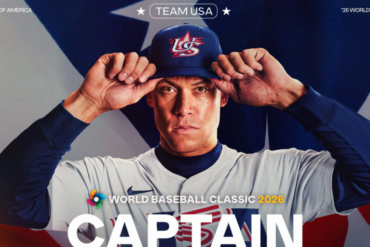
In the glossy promotional reels for the 2026 World Baseball Classic, the narrative is one of unbridled national pride—of multi-millionaire superstars “playing for the name on the front of the jersey.” But behind the scenes, the tournament has run into a cold, clinical wall that no amount of passion can scale: the actuarial table.
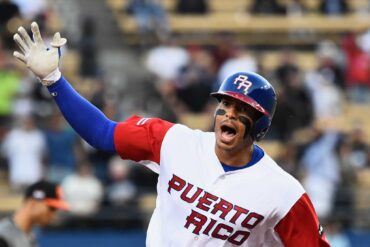
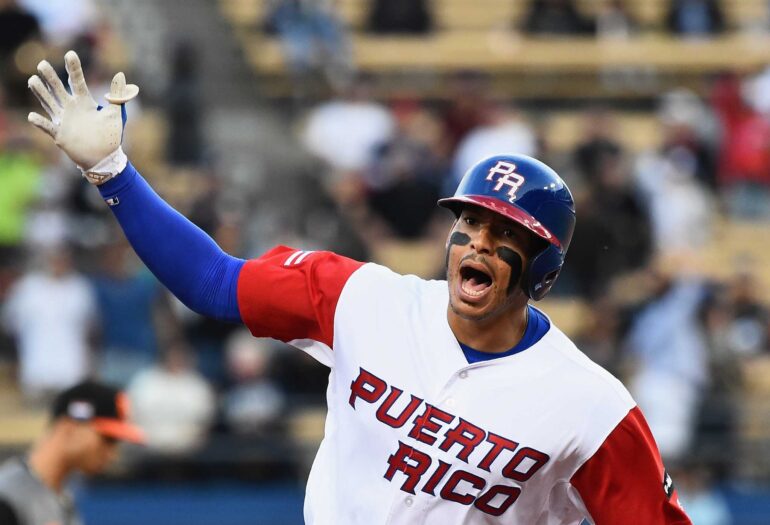
The 2026 WBC has exposed a jarring contradiction in the “globalization” of the sport. While Major League Baseball markets the tournament as a high-stakes battle for international supremacy, a quiet bureaucracy of risk assessment is effectively redlining the rosters of Latin American powerhouses. When the Puerto Rican Baseball Federation threatened to withdraw from the tournament entirely this February, it wasn’t a tantrum over field conditions or seeding. It was a desperate protest against a system where an insurance evaluator at National Financial Partners carries more weight than a national manager.
The Evolution of the “Liability Player”
The reputation of the WBC has shifted from an “exhibition” to a “necessity,” but the financial mechanics governing it have moved in the opposite direction—from flexible to forensic.
- The Early Innocence (2006–2017): In the tournament’s infancy, participation was largely a matter of personal choice and team “blessings.” Insurance was a background formality, and the star power, while inconsistent, was dictated by the players’ desires.
- The 2023 Trauma: The narrative shifted violently in Miami three years ago. The sight of Edwin Díaz being wheeled off the field in tears and Jose Altuve suffering a fractured thumb became the “I told you so” moment for risk-averse MLB front offices.
- The 2026 Lockdown: In response, the 2026 tournament has seen the implementation of a rigid “Chronic Risk” classification. Any player with 60 days on the IL or two career surgeries is effectively flagged. The result? A roster sheet for Puerto Rico and Venezuela that looks less like a “Dream Team” and more like a casualty list.
The Friction: Bad Bunny vs. The Boardroom
The conflict has transcended the dugout and entered the realm of cultural friction. The pushback is no longer coming from just the players, but from the cultural icons who bankroll the national identity of these islands.
When global superstar Bad Bunny offered to personally out-of-pocket the insurance premium for Carlos Correa, it was a surreal moment of cultural power meeting corporate governance. The subsequent denial by the Houston Astros and agent Scott Boras revealed a harsh truth: this isn’t about money. It’s about control.
The reaction from the affected nations has been one of targeted frustration. Miguel Rojas of the Los Angeles Dodgers voiced the quiet part out loud, questioning why insurance denials seem to disproportionately kneecap Latin American rosters while American stars like Byron Buxton—a player synonymous with injury history—somehow find a way onto the field. This disparity has fueled a narrative that the WBC is a “global” tournament only as long as it doesn’t jeopardize the $10 billion domestic MLB industry.
The Admission: Protecting the Asset, Not the Game
The implicit admission from MLB and the insurance carriers is that the player is an “asset” first and a “patriot” second. The insurance policies aren’t designed to protect the player’s health or their salary—which is already guaranteed—but to indemnify the team against the loss of the player’s services.
This is a clinical dehumanization of the sport. As Francisco Lindor and Jose Altuve sit at home, the “evidence” used to bar them—past surgeries and age thresholds—reflects a move toward a “Moneyball” approach to international participation. The motivation for teams like the New York Mets and the Astros is relevance and preservation; they cannot afford to lose the centerpiece of their $300 million rosters to a tournament they don’t directly profit from.
Cultural Analysis: The “Colonization” of Risk
Zooming out, the insurance crisis of the 2026 WBC reveals a profound shift in the power dynamics of modern sports. We are living in an era where Cultural Authority is being contested by Data-Driven Caution.
- Relevance vs. Legacy: For Puerto Rico, the WBC is a moment of profound national relevance that transcends baseball. By applying cold, American-centric insurance standards to these players, the “system” is effectively deciding which nations are allowed to compete at full strength.
- The Performance of Participation: The current media ecosystem, led by outlets like Variety and The New York Times, covers the “drama” of the insurance denials as a logistical hurdle, but for the fans in San Juan or Caracas, it feels like a soft form of sabotage.
- The New Gatekeepers: The move of power from the manager’s office to an insurance firm in a Chicago skyscraper represents a new era of sports governance. Influence is no longer gained through performance on the field, but lost through the calculations of a risk-adjustment algorithm.
Conclusion: A Tournament with an Asterisk
The 2026 World Baseball Classic will still be a spectacle. The lights in Houston will be bright, and the crowds will be deafening. But for many, the tournament now carries a permanent asterisk.
The strategy of “Protect the Asset” may save the MLB franchises a few million dollars in unearned salary, but it is costing the sport its soul. If the “World” Baseball Classic can only include the “healthy” or the “uninsured,” it ceases to be a true world championship and becomes a curated exhibition of the least-risky investments.
In the changing landscape of 2026, where fans demand authenticity and players crave legacy, the insurance wall feels increasingly archaic. If the WBC wants to remain the pinnacle of international baseball, it must find a way to insure the spirit of the game, not just the contracts of the corporations that own it. Otherwise, the “National Pastime” will continue to be a game played by the many, but controlled by the few with the best spreadsheets.