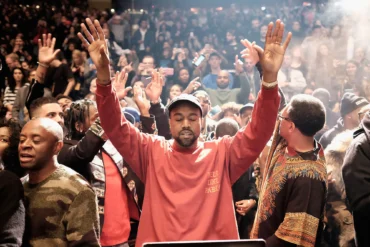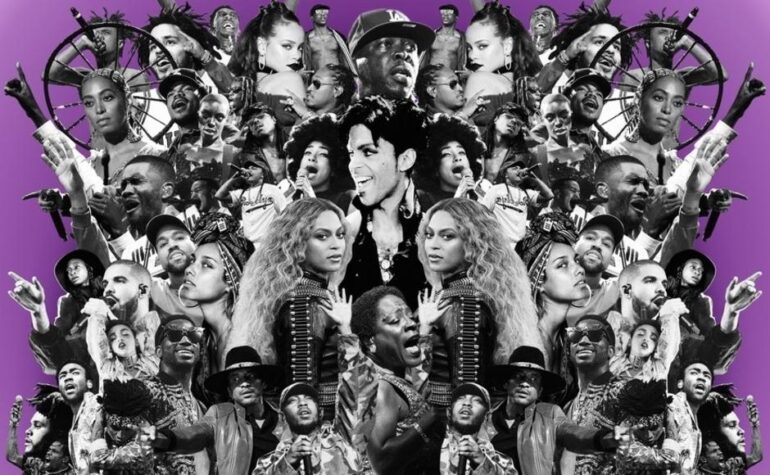
Black music has been among the most potent cultural influences in American and world history, from the mournful echoes of spirituals to the worldwide dominance of hip-hop and R&B. Apart from influencing musical genres, it has also maintained identity and redefined creative expression. As we celebrate the 50th year of Black History Month, we celebrate the creativity, resilience, and genius of Black musicians that helped to shape the industry into what it is today.
Roots in Resistance: Music During Enslavement
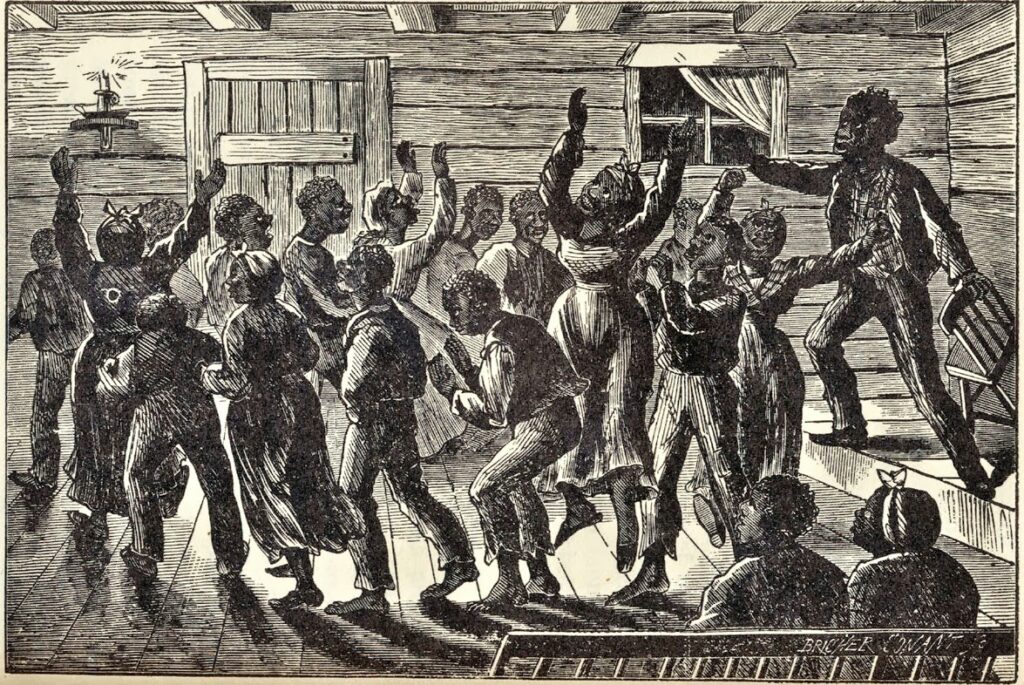
Black music in America began with West African rhythms, chants, and customs brought over by the victims of the transatlantic slave trade. Enslaved Africans came with a rich musical legacy and customs that soon developed into spirituals, work songs, and field hollers.
These were more than just songs. Directions for escape along the Underground Railroad were sometimes expressed using spirituals like “Wade in the Water” and “Follow the Drinking Gourd.” Music became a way to maintain dignity and identity in a society where people of darker skin were seen as less than human.
Jazz, Blues, and the Birth of American Sound
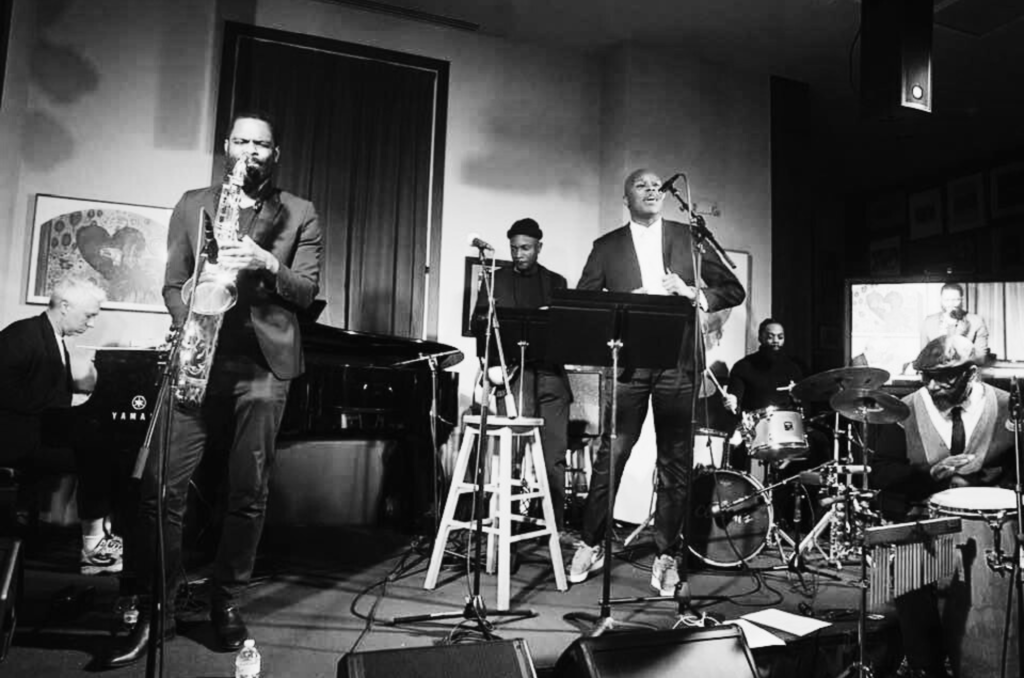
Black musicians changed American music by way of jazz and blues at the turn of the 20th century. Originally promoted by musicians like Robert Johnson and Muddy Waters, the blues became the foundation for other styles of music, including rock and roll, soul, and R&B.
Under the direction of legends like Duke Ellington, Louis Armstrong, and Bessie Smith, jazz brought forth improvisation and musical innovation. Jazz was a cultural uprising rather than just music. It represented rebellion in art, individuality, and liberation.
Through music, literature, and visual art, Black artists transformed American culture during the Harlem Renaissance of the 1920s, with Harlem jazz clubs turning into creative hubs and safe spaces that attracted a range of people and transformed nightlife and performance culture.
Music as a Movement
Black music evolved into a strong tool for political and social transformation throughout the Civil Rights Movement. With many artists using their voices to denounce inequality and encourage others. Songs like “A Change Is Gonna Come” and “We Shall Overcome” evolved into global protest anthems being sung at marches, sit-ins, and rallies all across the country.
Black Music and Technology
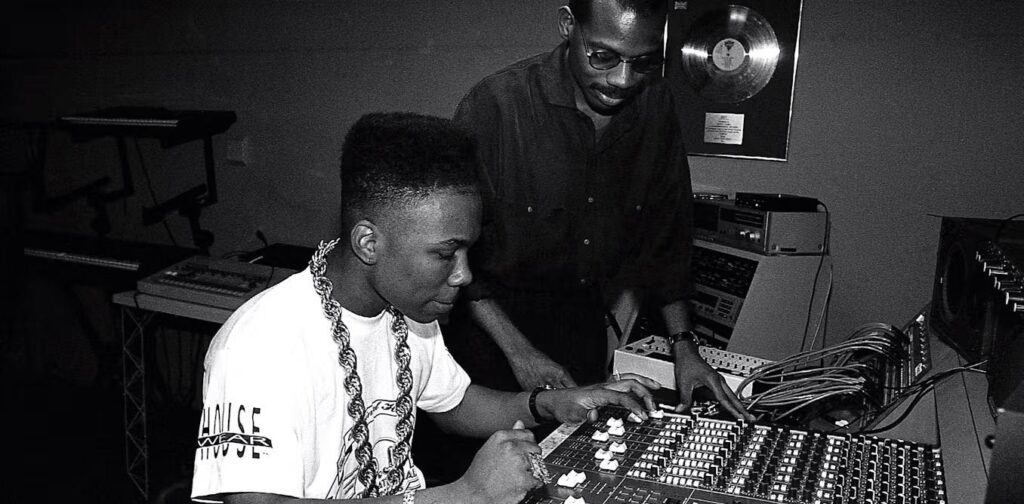
In the music industry, Black music has also fueled technological advancement. The goal of accurately capturing jazz and blues performances prompted advancements in studio equipment, sound engineering, and microphone technology.
Black music also became widely popular across the country thanks in large part to radio broadcasting. Radio helped bring jazz, blues, and later R&B to a wider audience, despite the fact that it was frequently exploitative and segregated.

Today’s streaming platforms, viral trends, and digital production techniques owe much to the experimentation that began in Black communities to better capture and promote our music.
Hip-Hop and Modern Influence
Hip-hop was born in the Bronx in the 1970s and represents one of the most influential cultural movements in modern history, becoming a worldwide phenomenon and inspiring trends in dance, fashion, music, and storytelling.
Hip-hop and R&B have become platforms for political commentary and artistic innovation thanks to artists like Jay-Z, Nas, Beyoncé, Kendrick Lamar, and Missy Elliott, whose work tackles topics like economic inequality, colorism, mass incarceration, and mental health. However, Black creators are still frequently underpaid, undercredited, and denied ownership despite this influence.
Honoring the Legacy
All in all, Black musicians laid the groundwork for the current music industry. As new generations continue to innovate and redefine sound, they carry forward a legacy rooted in courage and creativity. The industry may evolve, but its heartbeat remains Black. And as long as there is rhythm, resistance, and storytelling, Black music will continue to shape the world.