At my institution last week, I had the opportunity to attend a panel about AI in the music business with industry professionals in A&R, tech, law, and the creator of the AI artist Xania Monet. The discussion made one thing plainly evident: In music, artificial intelligence is something that is here and is being implemented into the industry more and more every day. Still, as thrilling and interactive as this panel was, it also brings up important questions around ethics and sustainability that we can no longer ignore.
AI Is Not the Future—It’s Already Here
One thing the panelists stressed throughout the event was that AI is not the music industry’s future; it is our reality right now. Many professionals are already employing artificial intelligence to simplify back catalogs at record companies. Producers are already using artificial intelligence systems to swiftly transform melodies from their heads into reference tracks. In under a minute, AI avatars can now reproduce what once cost tens of thousands of dollars in video production.
For companies, the motivation is clear: cheaper costs and speed. However, the question remains that now with AI being used for so many different things, what is going to happen to human work and creativity?
The Case for Embracing AI
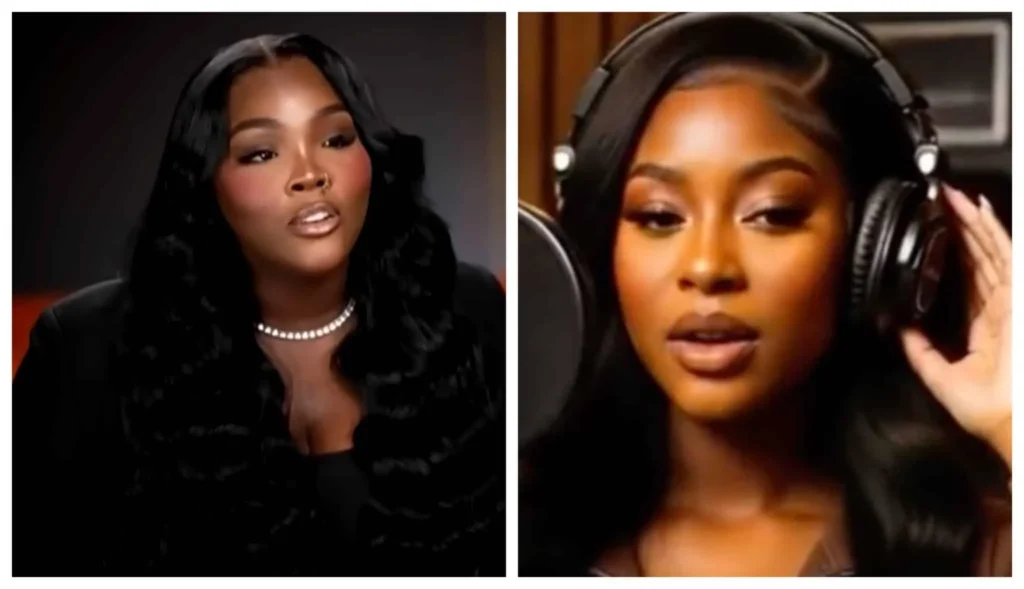
One notable member of the panel was Telisha “Nikki” Jones, the creator of Xania Monet, the AI artist who signed a multimillion-dollar record deal, which led to a huge debate within the industry. Emphasizing that AI is the future and using the panel to discuss and dispel some rumors around her AI usage, mainly pointing to the fact that she does not use AI for her lyrics and instead that all of her lyrics are poems she has written and put into AI tools like Suno AI to bring them to life.
Several panelists echoed this idea, advising students to approach artificial intelligence with curiosity rather than fear. Stating that if utilized responsibly, artificial intelligence can improve creativity, not destroy it. Like digital production tools before it, AI can operate as an extension of human imagination when guided by real people with real feelings.
The Costs We’re Not Talking About
Despite AI being here and “not going anywhere,” there are still many legal and commercial concerns around using AI. Though many record labels and publishers have already updated their contracts to include AI clauses, an artist’s voice, picture, or likeness might be licensed just for one purpose, only to later be employed by outside parties in ways the artist never intended. Reclaiming that control could be almost impossible once that information is stored in artificial intelligence systems.

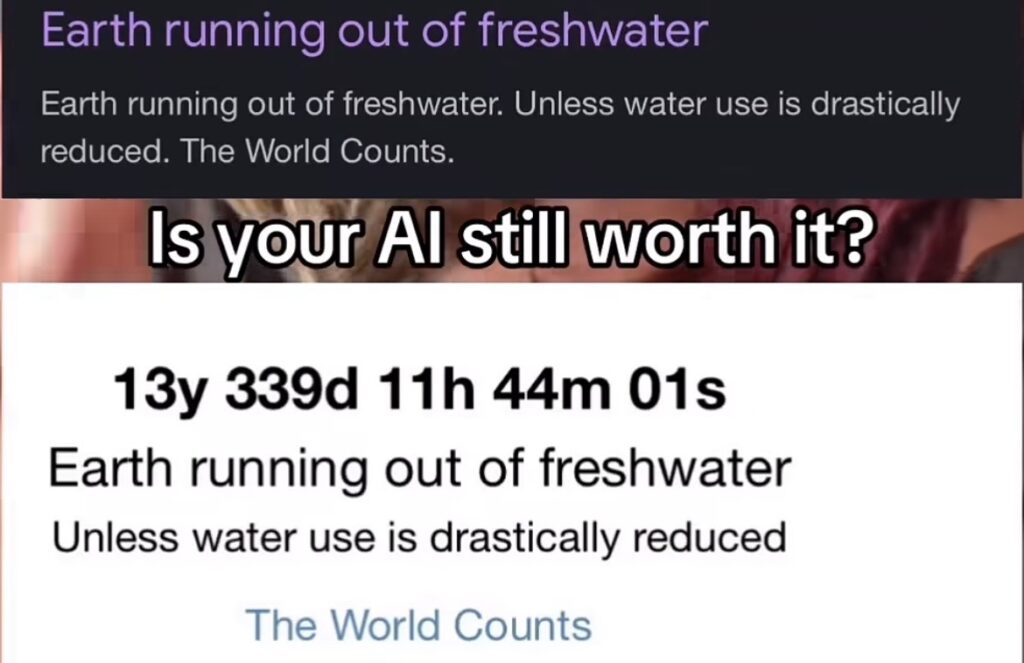
There is also the very real concern about our environment we need to consider. Training and maintaining artificial intelligence systems calls for large volumes of water and energy—so much so that the United Nations is warning against a water shortage, with the US being predicted to run out of freshwater within the next 13 years. Read more here.
Moving Forward
All in all, the panel was extremely insightful, and I gleaned a lot about the ever-changing world of the entertainment industry. I departed the panel convinced two ideas can coexist: if left unchecked, artificial intelligence can be a potent creative instrument as well as a harmful hazard to our world, and we have to decide whether we will be passive customers of technology or active builders of its future.