In recent months, two very different corners of the pop culture universe have sparked similar controversies that reveal a persistent problem in fandoms: Black actors often become targets of relentless backlash for creative decisions beyond their control, and it is exhausting—not just for the performers involved, but for entire communities who are tired of blatant racial abuse.
The “Tanselle Too Tall” Reaction
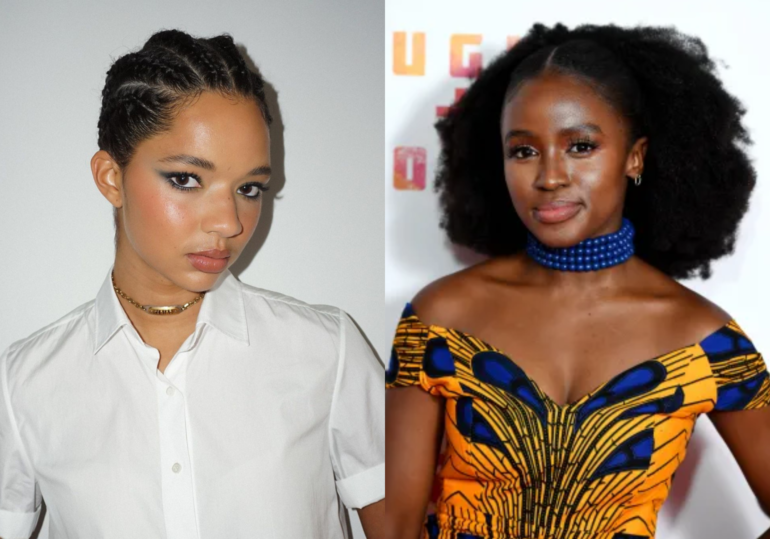
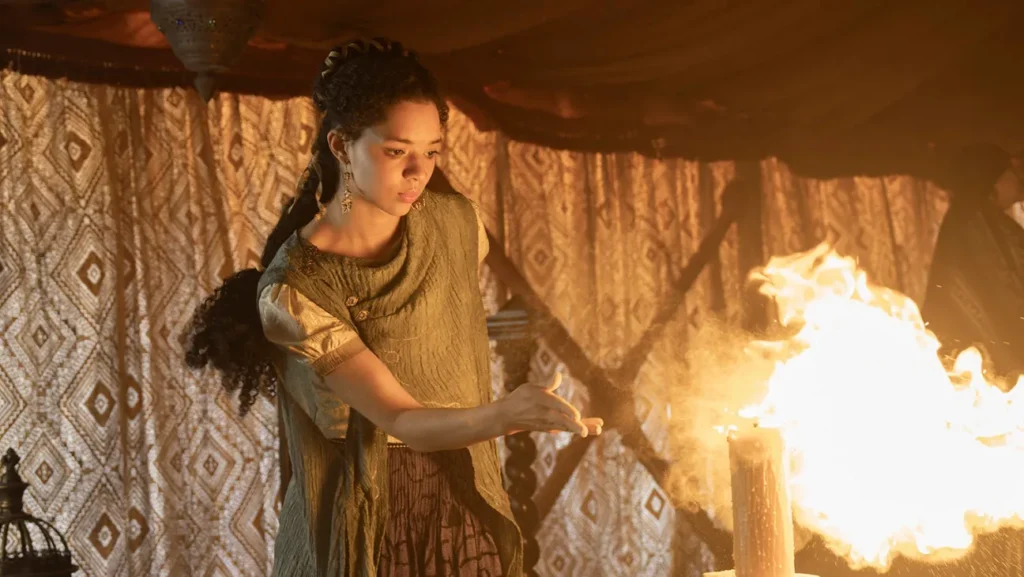
Australian actress Tanzyn Crawford, who was chosen to play Tanselle in A Knight of the Seven Kingdoms, received criticism from fans just for being chosen for the part. Although Tanselle is described as having black hair and olive skin in the original Game of Thrones novels, some viewers felt that Crawford didn’t fit their image.
Crawford talked about how scary it was to enter such a beloved franchise and put up with “negativity around race” while pursuing her dream job. However, she also discussed the significance of having creative support from within the project, particularly from Game of Thrones author George R.R. Martin, who told her she was “exactly what I pictured for Tanselle.”
Michaela Stirling: Representation Meets Backlash
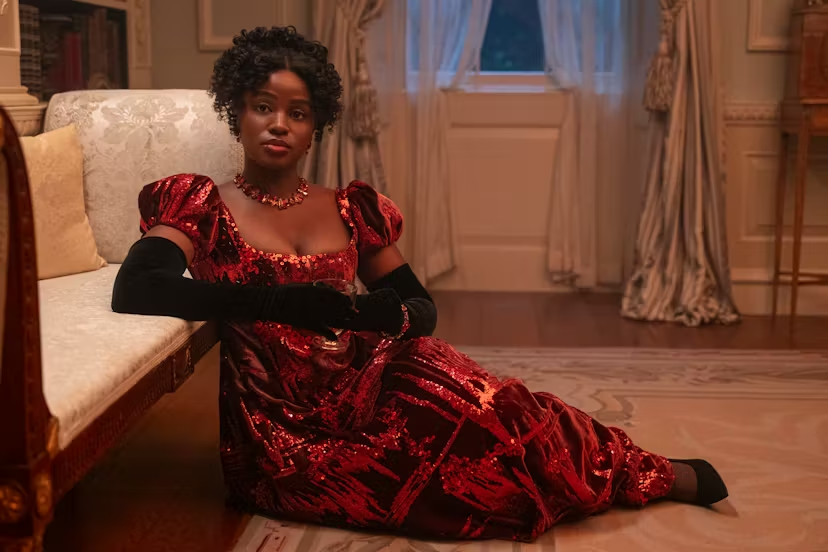
Another heated fan argument has centered on Masali Baduza’s character Michaela on Bridgerton. The male love interest of Francesca in her novel When He Was Wicked is named Michael Stirling but has been reimagined as Michaela Stirling for the TV show. While many loved this change as it offers the queer representation that hasn’t been seen so far in the show, other fans responded negatively, some even going as far as to send threats to the actress.
Why This Backlash Matters
While many have dismissed this criticism as fans just being passionate about the source material, there is a deeper issue at play when discussions about casting and characterization begin to target actors with death threats and personal attacks. This is because audiences are confusing fiction with reality and forgetting that these are real people doing real work. For young people who don’t often see themselves reflected in romance and fantasy genres, representation in entertainment should be a source of inspiration and joy, but the negative backlash is making fans and actors alike not feel welcomed in these kinds of spaces.
The Role of Creators and Cast in Protection
This is where leadership from within matters. When these “fans” get loud, the support from creators and showrunners needs to be louder.
George R.R. Martin’s public endorsement of Crawford’s casting was a declaration that the creator regards her as an indispensable addition to the universe.

Similar to this, showrunner Jess Brownell and author Julia Quinn have expressed their support for Masali during this time, but many viewers believed they haven’t been very effective in shielding her from criticism. More vocal support from behind the scenes can make a real difference in situations where fans are criticizing the performers instead of the show’s decisions.
Support as the Standard
While support doesn’t guarantee the criticism will go away, creators, showrunners, and studios can use support to establish a clear message.
The cost is not only emotional but also cultural when fans fail to recognize that actors are human. Supporting underrepresented actors is crucial to the future of storytelling, not just good leadership. The message in the backlash for both series is the same: while representation is important, so are the people who give characters life.