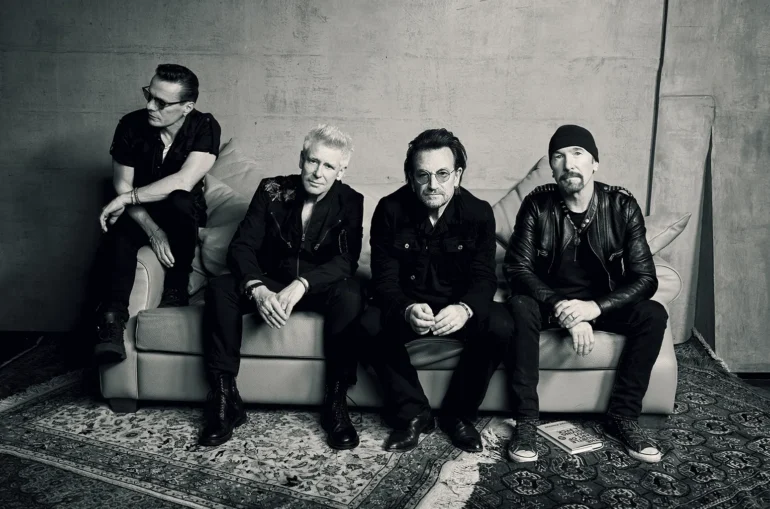
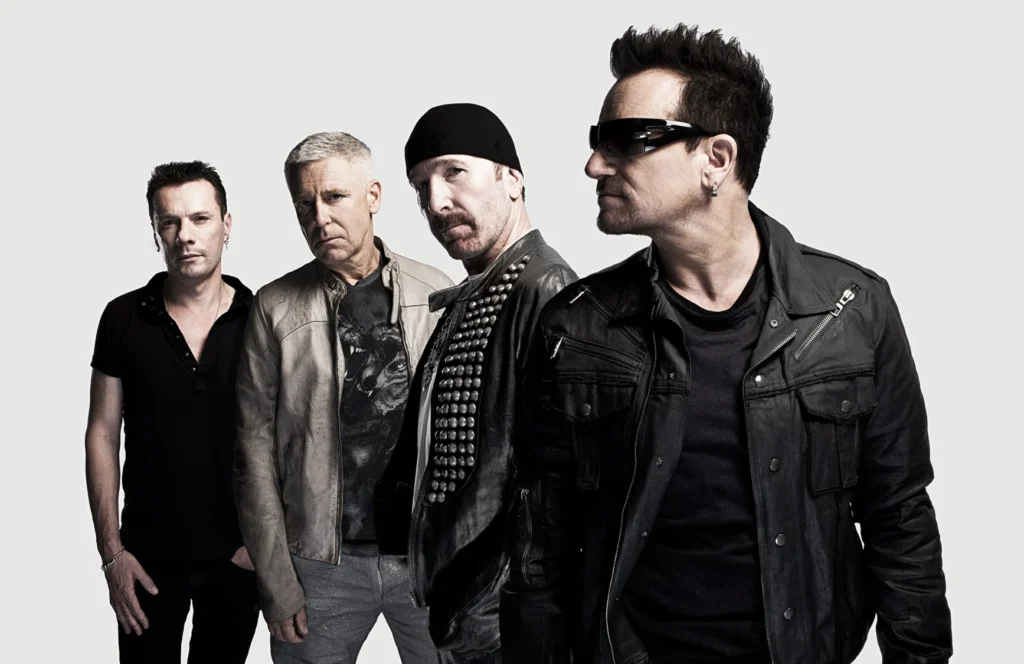
Irish rock icons U2 returned with Days of Ash, a surprise EP combining creativity with social criticism. Opening with “American Obituary,” a song written in response to the murder of Renée Good, a mother of three whose life was taken during a protest against an Immigration and Customs Enforcement (ICE) operation.
Still, the band’s comeback shines a light on a bigger question: Is art inherently political? And, should artists be expected, or even obligated, to act as activists?
Music as Moral Witness
U2 has developed their identity around their ability to merge both art and consciousness for more than four decades. From “Sunday Bloody Sunday” to their successful album The Joshua Tree, the band’s repertoire is filled with songs calling for justice and bringing light to world issues.
Their latest EP does not stray from this trend through songs like “American Obituary,” which sheds light on the murder of Renée Good, as well as other songs highlighting other injustices such as what is currently happening in countries like Palestine and Ukraine.
This EP is an unapologetic, almost journalistic narrative of hardship. Through their music, U2 is helping to amplify different situations that would otherwise be pushed down and ignored and shows that art can be political; however, there are some that do not agree.
The “Artist Not Activist” Stance
Compare this to a celebrity who is completely on the other end of the spectrum. Sydney Sweeney, for example, who in an interview with Cosmopolitan last month stated that as an artist it is her job to create art, not to engage in political discussion, claiming that conversations about politics are not where she wants to apply her creative energy. This ultimately led to criticism, with many claiming that art is inherently political, expressing disappointment with Sweeney’s lack of social responsibility as someone with so much popularity and influence.

Art vs. Activism
The difference between U2 and Sydney Sweeney’s views on art shows two different arguments when it comes to the topic of modern creative identity:
On one hand we have U2, who feel they have a personal sense of responsibility to talk about what is going on in the world around them, even describing themselves as a “conviction band,” and have discussed how their upbringing in Ireland, where there was poverty, violence, and religious strife, made them want to use their platform to fight for human rights, peace, and social justice.
While on the other hand, we have Sydney Sweeney, who argues that political lobbying is not necessary when you are an artist. From her perspective, artistic expression is completely independent from politics, and artists should concentrate on storytelling rather than trying to be activists.
Is Art Inherently Political?
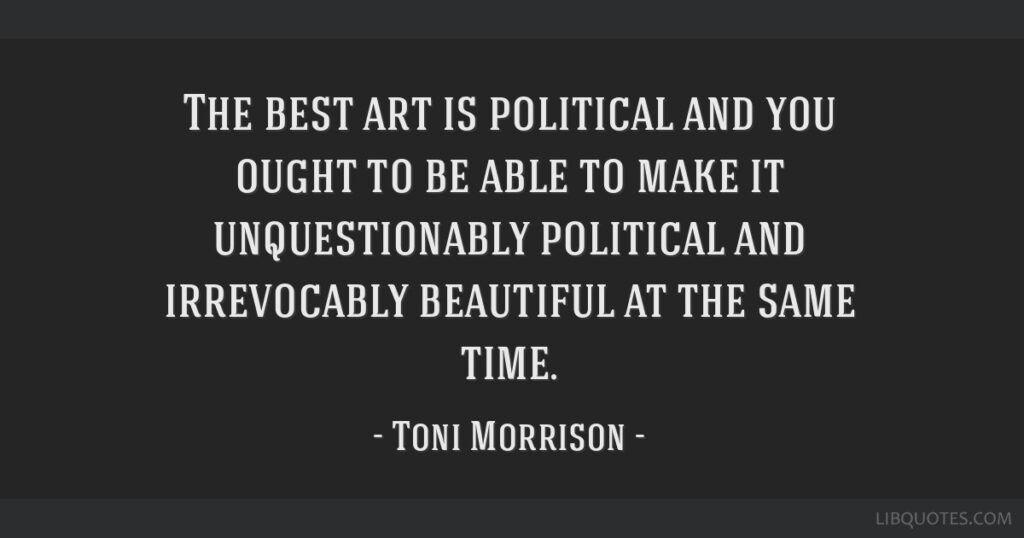
Art, no matter its form, whether it is paintings, music, or film, is often political. Many believe that for something to be political, it needs to directly address government or policy, when politics can go beyond that. Politics aren’t just governmental structure and laws but instead how those things can shape the social realities of the world we live in.
If you take music, art, and film at face value, it can be hard to see the political aspects, but when taking the time to reflect, we can see how even the most entertaining pieces of media are heavily influenced by culture, power structures, and history. From albums like To Pimp a Butterfly by Kendrick Lamar to films like Parasite by Bong Joon-ho to paintings such as Guernica by Pablo Picasso, all of these works became critically acclaimed for addressing political topics like race, class, systemic inequality, and gender. Because art is produced within social systems and consumed by audiences shaped by those systems, it almost inevitably engages with politics, whether it is intentional or not.
So I find it hard to agree with Sydney Sweeney’s sentiment that art isn’t political, as, whether we like it or not, politics are deeply intertwined into every aspect of our lives. It is especially disheartening that Sweeney has this stance, as she has been in numerous projects that delve into various political themes, such as The Handmaid’s Tale, which is a political allegory about authoritarianism and women’s rights, and Christy, which explores the barriers women have to face in male-dominated professions.
The Space Between Art and Action
Ultimately, both sides of this argument reveal that art is a mirror. It reflects the artist’s identity, vision, and the stories they feel compelled to tell. Whether that story is “detached” from politics or not, art is subjective and is shaped by our diverse experiences and perspectives on what creativity is and how it should be used.