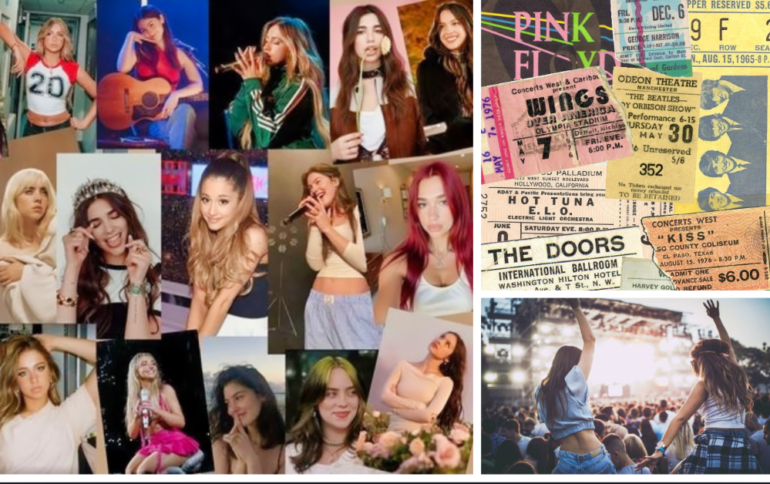
Fewer women are being booked for music festivals, and many people expected that by 2025 lineups would be more evenly split between male and female artists. Instead, some reports suggest that certain festivals featured fewer women than in previous years. While a few events such as Hitherland Music Festival and All Things Go are actively working to change this by programming lineups with more than 50% female artists, gender inequality in the music industry remains a significant issue.
One of the biggest challenges is the lack of equal opportunities for women across the industry. Historically, women have faced barriers that pushed many toward other career paths rather than performance. Statistics also show that women are less likely to secure agents, managers, or A&R support, which directly affects their chances of being selected for festival lineups. Because booking decisions are often influenced by industry networks and past touring history, these structural gaps continue to impact who gets invited to perform.
Only a decade ago, women were rarely represented on major festival stages, and that legacy still affects booking patterns today. However, progress is slowly being made. In recent years, more companies and festival organizers have tried to create balanced and diverse lineups. Many of the festivals with lower female representation are based in the United States, while parts of the United Kingdom are beginning to show more progress toward gender diversity in festival programming.
Another factor contributing to the imbalance is genre representation. Some festival lineups focus heavily on genres that have historically been male dominated, such as certain areas of rock, electronic, or hip hop scenes. As more women gain visibility in these spaces, representation may continue to improve, but industry support, mentorship opportunities, and equitable promotion will play a major role in whether that change becomes long lasting.
Although change has started, achieving true balance in festival lineups will require continued effort from promoters, industry professionals, and audiences alike. Greater transparency in booking practices, intentional diversity goals, and sustained support for emerging female artists could help create more inclusive festival spaces in the years ahead.