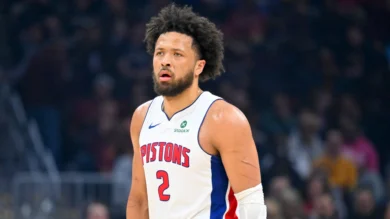
The 65-game rule isn’t a cage for greatness; it’s a blueprint for the league’s survival in a demanding era.

The Myth of the “Control” Narrative
For the last year, the 65-game rule has been painted as a corporate power grab. Critics argue it’s an attack on player health and a move toward “standardizing” greatness. But this perspective ignores a fundamental truth: The NBA is a partnership between the league, the players, and the fans.
The 65-game rule isn’t about “control”—it’s about reliability. For decades, the unwritten rule was that the best players showed up. The new rule simply puts that expectation in writing, ensuring the league’s rewards align with its primary goal: providing a premium product.
The Numbers: Outliers Are Not the Rule
The most common argument against the threshold is that it penalizes “elite outliers.” However, a look at the data shows that the rule actually protects the prestige of these awards rather than Diluting them.
| Metric | The Reality |
| Historical Precedent | Over 94% of All-NBA selections since 2000 already met the 65-game mark. |
| The “Injury” Buffer | 65 games allows for 17 missed games—over 20% of the season. |
| The Impact Gap | Historically, only 5% of players “missed out” due to games played. The rule impacts the exception, not the rule. |
The takeaway? The system was already trending toward this standard. The rule didn’t create a new barrier; it simply closed a loophole that allowed a tiny fraction of players to claim season-long honors for part-time work.
Why the Criticism is Overblown
1. It’s Not a Health Hazard
Critics suggest players will “play through injury” to hit the mark. But NBA training staffs are more sophisticated than ever. A player missing 18 or more games isn’t being “held back” by a rule; they are dealing with a significant injury. In those cases, missing an award is a natural consequence of a lost season—not a punishment.
2. The “Participation Trophy” Inversion
Opponents claim this makes the NBA a “participation league.” In reality, it’s the opposite. It raises the bar for Greatness. To be All-NBA, you now have to be both elite and durable. It rewards the “Iron Men” who anchor the league’s nightly value.
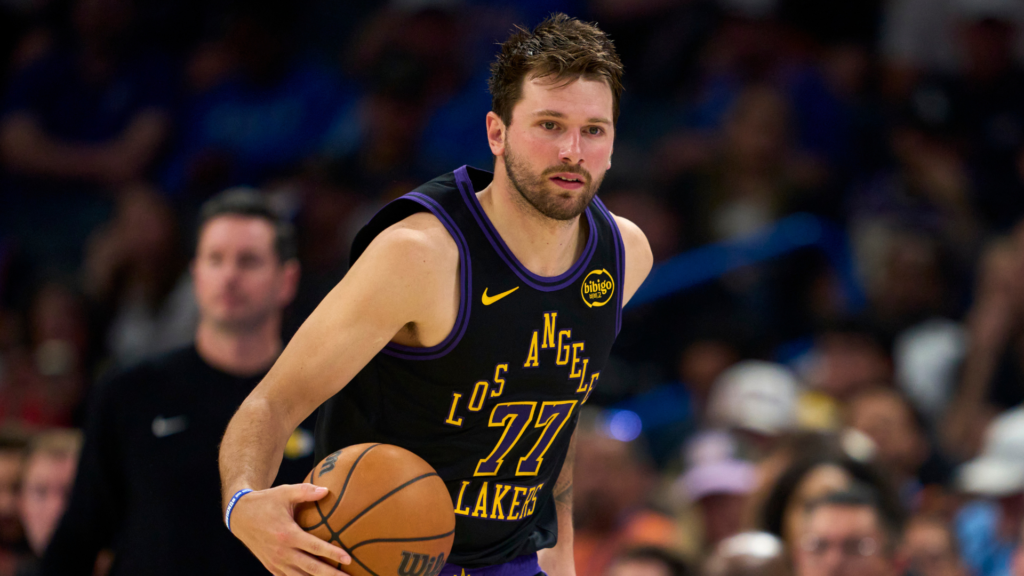
The Business of Being Present
We cannot separate the sport from the screen. With multi-billion dollar TV deals on the line, the “product” is the players.
- Fan Investment: A family saves for months to see a star play; the 65-game rule is a promise to that fan.
- Broadcast Value: Networks pay for stars. When stars sit, the value drops.
- Player Earnings: High TV revenue leads to a higher salary cap. By playing more, players are directly fueling the massive contracts they sign.
“The fans deserve to see the best players on the court as often as possible. It’s a performance-based industry.” — Adam Silver, NBA Commissioner

The “Outlier” Will Always Exist—And That’s Okay
Will there be a season where a player is clearly the best in the world but only plays 60 games? Yes. But sports history is full of “what-ifs.” Bill Walton’s 1978 MVP season (58 games) is a legendary anomaly, but we don’t build entire league structures around anomalies. We build them around the standard. If a player is so transcendent that they change the game in 60 games, their legacy will be fine—even without a trophy on the mantle that year.
Conclusion: A Healthier League
The 65-game rule has already sparked a shift. We are seeing stars prioritize the regular season again. We are seeing “load management” transition from a default strategy back to a genuine medical necessity.
The rule works because it restores the balance of the NBA’s ecosystem. It doesn’t “standardize the story”—it ensures the story actually happens on the court, night after night, in front of the people who make the league possible.
Greatness has always required showing up. Now, it’s just official.