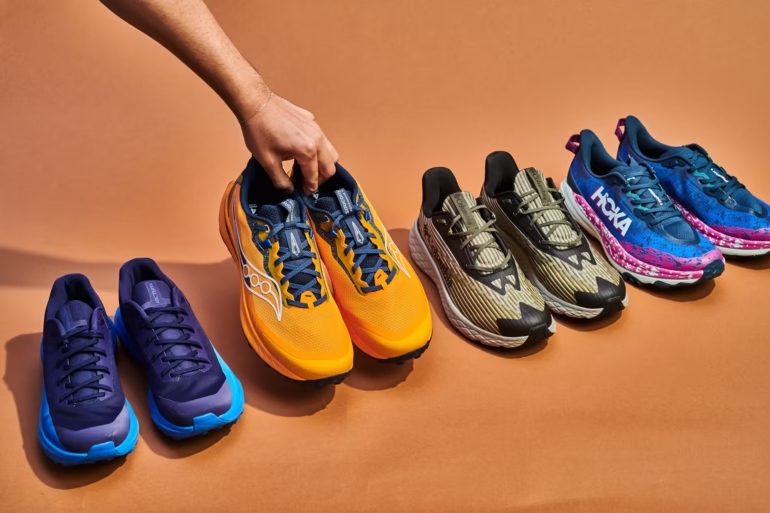
The landscape of trail running is in constant flux, a dynamic environment shaped by evolving athletic demands and technological innovation. As we navigate 2026, the very definition of what constitutes the ‘best’ trail running shoe is being rewritten. Gone are the days of a one-size-fits-all approach; today’s trail runners seek specialized footwear that offers a nuanced balance of grip, protection, responsiveness, and comfort tailored to specific terrains and running styles. This year marks a significant shift, moving beyond mere durability to embrace adaptive technologies that enhance performance and reduce injury risk, signaling a new era for the sport.
Early trail running shoes were often rugged, heavy-duty boots designed for maximum protection and minimal compromise on unpredictable terrain. Think of the early models from brands like [Salomon](https://www.salomon.com/) or [La Sportiva](https://www.lasportiva.com/), which prioritized ankle support and aggressive lug patterns. The focus was largely on preventing punctures and providing a stable platform, with comfort and weight often taking a backseat. This era was characterized by a more utilitarian approach, where the shoe was a tool for survival on the trail rather than an extension of the runner’s own biomechanics. The recent evolution, however, tells a different story. The market is now flooded with lightweight, highly responsive shoes that incorporate advanced cushioning systems and adaptable upper materials. Brands are investing heavily in research and development, drawing inspiration from advancements in road running and even performance athletic wear. This pivot reflects a broader trend in athletics: the pursuit of marginal gains through sophisticated design and material science.
The evidence of this transformation is undeniable. Take, for instance, the new [Hoka Speedgoat 6](https://www.hoka.com/en/us/mens-trail-running-shoes/speedgoat-6/1141515.html), which has managed to shave off precious ounces while simultaneously increasing its cushioning and energy return. Early reviews highlight its remarkable versatility, excelling on both technical descents and long, grinding climbs. “It feels like you’re floating over the rocks,” commented one tester in a recent review on [Running Warehouse](https://www.runningwarehouse.com/). This sentiment is echoed across various publications. [Runner’s World](https://www.runnersworld.com/) noted the shoe’s “unprecedented responsiveness for such a cushioned shoe,” a feat that was considered almost impossible just a few years ago. This technological leap is not isolated. Other brands are following suit, with [Altra](https://www.altrarunning.com/) introducing its new ‘FootShape’ fit in the [Lone Peak 8](https://www.altrarunning.com/shop/lone-peak-8-al0a548u), emphasizing natural foot splay and ground feel, while [Brooks](https://www.brooksrunning.com/) continues to refine its popular [Cascadia](https://www.brooksrunning.com/en_us/cascadia-17-mens-trail-running-shoe/110410.html) line with enhanced rock plate technology and improved traction. The integration of data analytics and biomechanical studies is clearly driving these design decisions, moving the needle from anecdotal evidence to scientifically validated improvements.
This shift raises critical questions about relevance versus legacy and authenticity versus performance. For decades, brands built their reputation on the ruggedness and durability of their trail shoes. This legacy is a valuable asset, but it risks becoming a liability if it prevents adaptation to new demands. The authentic trail runner, a figure often romanticized as someone who embraces the raw, untamed nature of the sport, might view these high-tech shoes with suspicion. Is a shoe that feels more like a performance enhancer truly ‘trail running’? Or is it blurring the lines with a more generalized athletic pursuit? The rise of ultra-endurance events and the increasing professionalization of trail running have undeniably pushed the boundaries of what athletes expect from their gear. The pursuit of peak performance, even on rugged terrain, is now a central theme. Authenticity, in this context, might be redefined not by the simplicity of the equipment, but by the dedication and spirit of the athlete using it. The focus has shifted from enduring the trail to mastering it, and the footwear is a crucial component of that mastery.

Ultimately, the question remains: does this new generation of trail running shoes, with their advanced technologies and performance-centric designs, still carry the weight of true trail running? The evidence suggests yes. While the aesthetic and feel might be evolving, the core purpose remains: to enable athletes to explore and conquer the outdoors. The increased emphasis on biomechanics and injury prevention, for example, aligns with a deeper respect for the long-term health of trail runners. The ability to perform at a higher level, pushing boundaries and achieving new personal bests, is not antithetical to the spirit of trail running; rather, it is an evolution of it. The best trail running shoes of 2026 are not just tools for navigating the wilderness; they are sophisticated instruments that empower athletes to connect with nature on a more profound and capable level. The legacy of ruggedness is being augmented, not replaced, by a future of intelligent design and enhanced human performance.