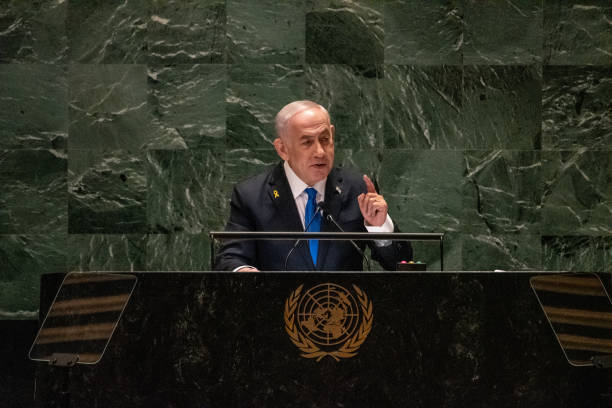
The ongoing geopolitical tensions in the Middle East have once again taken center stage, with Israeli Prime Minister Benjamin Netanyahu asserting that the conflict with Iran and Hezbollah remains far from over. This statement comes in the wake of Tehran’s announcement of a halt to its strikes, a move that has been met with skepticism by some international observers and leaders.
Netanyahu, a figure long associated with a hawkish stance on regional security, articulated his position in a recent address, emphasizing that perceived lulls in aggression do not signify an end to underlying hostilities. His remarks underscore a persistent concern within Israel regarding the broader regional threat posed by Iran and its proxies, particularly Hezbollah operating from Lebanon.
The assertion from Tehran regarding the cessation of strikes has been interpreted in various ways. While some see it as a potential de-escalation, the Israeli perspective, as voiced by Netanyahu, suggests a strategic pause rather than a fundamental shift in intent. This viewpoint aligns with a history of Iranian actions that have often been characterized by indirect confrontation and proxy warfare.
The dynamic between Israel, Iran, and Hezbollah is complex and deeply entrenched. For years, the region has been a theater for shadow conflicts, cyber warfare, and proxy engagements, making a definitive declaration of peace or resolution a distant prospect. Netanyahu’s current stance reflects a deep-seated strategic calculus that prioritizes vigilance and preparedness, even in the face of apparent de-escalation signals.

This ongoing narrative is crucial for understanding the broader implications for regional stability and international diplomacy. The interplay between perceived threats and actual military actions, coupled with the political rhetoric of leaders involved, shapes the ongoing discourse and dictates the future trajectory of these volatile relationships.