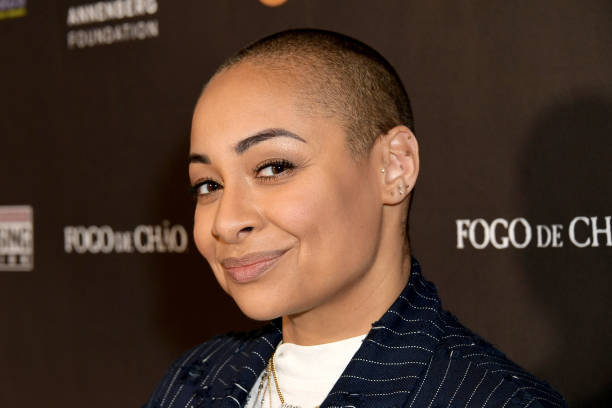
The debate surrounding media representation often centers on whether cultural identity can be stripped away from a character without altering their core essence. When actor Raven-Symoné publicly questioned whether her iconic Disney Channel character, Raven Baxter, was strictly “Black”—suggesting the character’s experiences were universal enough to transcend race—it sparked immediate pushback from fans who grew up watching That’s So Raven. For millions of viewers, Raven Baxter was not just a generic teenager who happened to have dark skin; her demeanor, family dynamics, and cultural markers were unapologetically Black.
The argument that a character could be “green” and remain unchanged ignores the rich, specific cultural coding embedded in the show. Beyond visual appearance, the Baxter family’s language, mannerisms, humor, and household atmosphere resonated specifically with Black culture. Tanya Baxter’s hair styling, the family’s physical comedy, the cadence of their speech, and their overall home dynamic were steeped in authentic Black family life. Closing your eyes and listening to the dialogue made the heritage of the characters undeniable. DimensionDescription Cultural IdentifiersAuthenticity in speech patterns, mannerisms, style, and hair Family DynamicRelatable, culturally grounded household structure and humor Direct DiscourseTackling systemic racism head-on on a children’s network
The most glaring evidence of the show’s explicit Black identity lies in the groundbreaking Season 3 episode, “True Colors.” In this storyline, Raven and her best friend Chelsea both apply for a job at a clothing store. Despite Raven being noticeably more qualified—demonstrating superior styling and organization skills—Chelsea gets hired while Raven is passed over. A psychic vision reveals the store manager’s true motivation: she explicitly refuses to hire Black people.
To expose this racial discrimination, Raven goes undercover in disguise, while Chelsea observes the manager profiling Black customers in real time. The episode culminates in a serious discussion between Raven and her parents about the pain and reality of facing bigotry.
That’s So Raven, alongside animated peers like The Proud Family, carried a specific social responsibility that contemporary Disney Channel shows could not replicate:

- Targeted Social Commentary: Programs centered on non-Black leads, such as The Suite Life of Zack & Cody, Wizards of Waverly Place, Phil of the Future, or Hannah Montana, lacked the cultural framework to address systemic racism directly.
- Relatability for Young Audiences: By tackling discrimination head-on, the series validated the lived experiences of young Black viewers navigating similar realities.
Attempting to erase the racial identity of Raven Baxter undermines the very reasons the show became a milestone in children’s television. The character’s impact was not achieved by playing a race-neutral template, but by embracing a rich, specific identity that made space for Black youth to see themselves fully represented on screen.