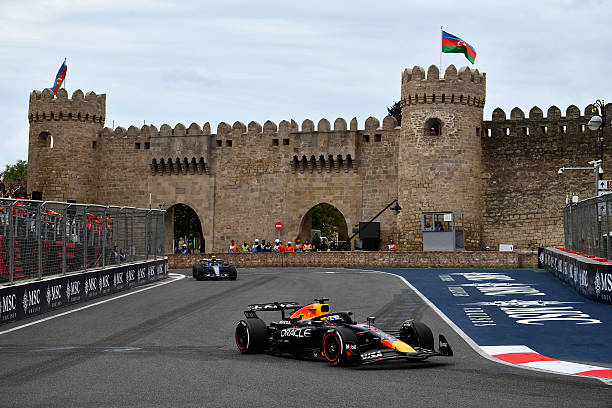
In an uncommon scheduling change, the Azerbaijan Grand Prix in Baku will be held on Saturday rather than the traditional Sunday, organizers confirmed. The swap reshapes the weekend timetable and will affect ticketed fans, broadcasters and team logistics.
Organizers and Formula 1 officials point to several practical drivers behind the decision. Global broadcast windows are a primary consideration: shifting the main race to Saturday can avoid direct clashes with other major sporting events or high‑viewership programming in key markets, giving F1 a cleaner live window and the potential for stronger ratings.
Local logistics are equally important for a street circuit such as Baku. Erecting and dismantling safety barriers, grandstands and hospitality infrastructure requires multiple days of road closures; local authorities may prefer a Saturday closure to limit disruption to weekday commerce or to accommodate municipal events planned for Sunday.
Security and resource allocation also factor into the equation. Police, emergency services and transport agencies must be coordinated for large crowds, and promoters will sometimes agree a timetable that eases pressure on those services. Additionally, other city events — concerts, parades or official observances — can make a Sunday slot impractical.
The timing change sits within a broader trend of flexible weekend formats. Since the reintroduction and expansion of sprint events and other timetable experiments, Formula 1 has shown a willingness to adapt session orders and race days when circumstances demand. Baku in particular has a history of one‑off scheduling tweaks because its tight urban layout and street‑circuit demands increase operational complexity.
There are immediate operational consequences. For teams, a Saturday grand prix compresses turnaround times and alters recovery routines for mechanics and drivers, though sporting regulations permit timetable adjustments. For fans the impact is tangible: travel plans, accommodation and local transport may need to be rearranged, and hospitality packages and support‑race schedules will be updated accordingly.

Broadcasters, sponsors and commercial partners must rework production schedules and advertising plans. Promoters will monitor attendance and viewing figures closely — if the Saturday timing delivers better local turnout or international audiences, it could influence future calendar conversations; if not, the change will likely remain a one‑off accommodation.
Organizers have said they will publish a final session timetable and guidance for ticket holders through official channels. Fans should check the Baku City Circuit and Formula 1 websites and social feeds for exact session times, transport advisories and any ticketing updates or refund policies.
Short term, the shift is a pragmatic response to the realities of hosting a major motorsport event inside a working city. Long term, it underlines how Formula 1 balances global broadcast demands with local logistics — and why the traditional Sunday race can, on occasion, be moved to meet practical and commercial needs.