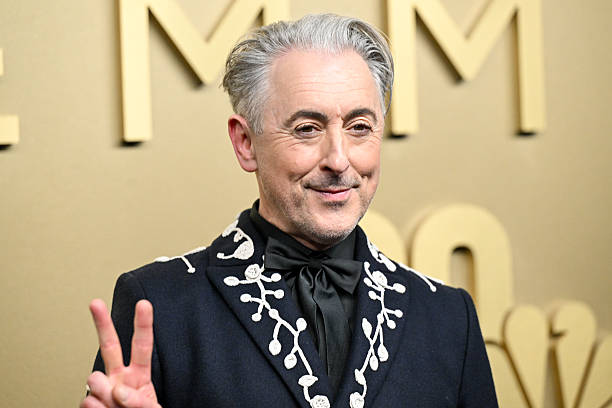
Alan Cumming’s startling admission that he ‘doesn’t fully understand the plot’ of Avengers Doomsday — and that he only performed opposite Florence Pugh’s stunt double — has given the film an unexpected air of mystery. The comments spotlight how blockbuster filmmaking can separate the faces audiences recognize from the mechanics that create on‑screen spectacle.
On paper the revelation is simple: a veteran character actor says the story left him puzzled and that he never actually shared a scene with the film’s marquee co‑star. In practice it raises a handful of questions about how big‑budget productions are staged, how protective stunt and stand‑in workflows have become, and how much of what fans see is assembled after the cameras stop rolling.
Modern tentpoles frequently shoot out of sequence, protect plot details, and isolate performers for logistical or secrecy reasons. That can mean actors are deliberately kept from knowing the whole narrative or are filmed separately and composited later. It can also mean that action sequences are shot with doubles for safety and continuity, so a performer like Cumming might never be in close physical proximity to a lead such as Pugh during intense sequences.
The stunt double detail is the more culturally interesting piece. Stunt performers do the heavy lifting for risk and spectacle, and the fact that a prominent actor publicly notes they only worked with a stunt double draws attention to an often invisible cohort on set. The industry has long debated how stunt work is credited and awarded; revelations like this feed that conversation by underscoring how integral doubles are to the final product.
There is also a marketing angle. Audiences hungry for behind‑the‑scenes color will read Cumming’s comments two ways: as evidence the film is so narratively intricate that even performers lose the thread, or as a symptom of a fragmented shoot where actors never had the chance to develop on‑screen chemistry. Either reading deepens curiosity and gives publicity teams new material to lean into or rebut.

For filmgoers and critics the immediate takeaway is cautious intrigue. A cast list and a poster only go so far; disclosures about on‑set practice reshape expectations about what the finished movie will feel like. If the confusion stems from deliberate design, the payoff might be a twisty, surprising film. If it stems from creative or logistical friction, that too will show up in reactions when the film lands.
Whatever the reason, Cumming’s comments also offer a small reminder: movies are collective illusions. The faces in trailers are supported by teams of doubles, editors and VFX artists, and sometimes an actor’s relationship to the story is more provisional than audiences assume. Expect more context in upcoming interviews and promotional material, and for viewers the clearest answer will come when Avengers Doomsday finally plays for audiences.