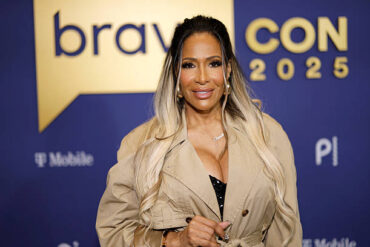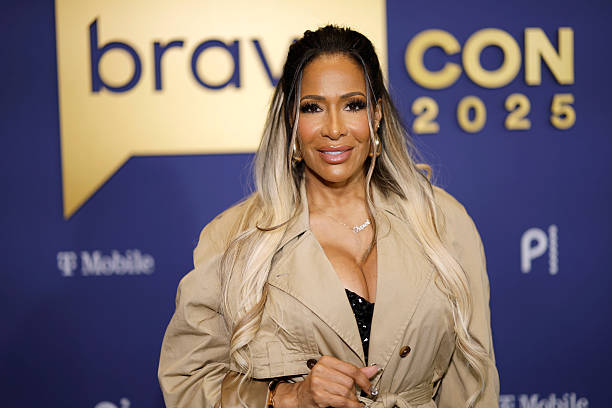
When the story behind a celebrity fashion moment becomes as compelling as the moment itself, the fight over who gets credit is inevitable. That is the tenor of the latest public back-and-forth between Shereé Whitfield and Carlos King, after King revisited what he describes as last-minute chaos behind the She by Shereé runway and Whitfield publicly dismissed his account as “bs.”
On his podcast King offered a granular recollection of the days leading up to the show, saying Whitfield came to him about a week before the event and left the team scrambling. According to his telling, the presentation was not ready and required an emergency push to create garments, production elements and media infrastructure in time for the runway.
King named people he says stepped in, describing designer Vivian Jones allegedly bringing a sewing machine to a Dunwoody hotel room and working on pieces there. He also said a hair professional failed to appear, forcing improvised fixes, and credited publicist Glenn Beam with establishing press arrangements that he maintained had not been properly set up. King emphasized that some contributors paid out of pocket, saying, “I’m not just talking about volunteering services. I’m talking about going into your pocket.”
Whitfield met that recounting with a blunt Instagram Stories repost, tagging King and writing, “u should b ashamed of urself for airing all that bs!” She followed with, “Must have been a slow day … #clickbait,” rejecting not only the factual premise of King’s narrative but the decision to retell it publicly.
The result is two competing narratives. King’s version frames the show as a last-minute rescue that involved tangible labor and expense from industry peers. Whitfield’s response reduces the episode to a vanity piece of content she believes should not be rehashed. Neither exchange, at least so far, independently settles which version is accurate; King makes specific allegations about people and expenditures while Whitfield offers a categorical denial without addressing each claim in turn.
Beyond the specifics is a familiar fault line in celebrity culture: who claims the backstage labor that makes public-facing glamour possible. Fashion presentations tied to reality TV personas are collective productions built on designers, stylists, publicists and often unpaid favors. When someone later recounts that work in a forum designed to capture attention, it can feel like attribution or it can feel like broadcasted grievance.
This spat also maps onto the contemporary economy of storytelling. Podcasts, social feeds and interview circuits reward behind-the-scenes revelations with listens, clicks and cultural currency. That incentive can motivate episode-sized confessions about the messy logistics of creating a show or brand. The downside is that retellings can rewrite shared history and generate reputational friction for people who prefer those efforts remain anonymous or uncredited.

For She by Shereé, the exchange complicates the brand narrative. Part of the brand’s identity is its origin story and the perception that Whitfield stands at its center. Public disputes about how much help a celebrity received to stage a defining moment expose the seams between performance and production, and they shift some attention away from the designs to the dynamics that produced them.
At root this is a contest over memory and acknowledgment. King’s account seeks recognition for what he says was hands-on labor and financial outlay. Whitfield’s dismissal reframes the airing as opportunistic and inaccurate. In a media ecosystem that prizes behind-the-scenes drama, both moves are strategic: one aims to claim credit, the other to police the narrative.
Absent corroboration from additional participants or documentation, the public will likely be left with both versions in circulation. For observers, the episode is a reminder that the gloss of a runway is often a patchwork of favors, last-minute fixes and unpaid work — and that who tells that story, and when, can matter as much as what actually happened before the lights came on.