Black Friday arrives today in a form that would be barely recognizable to shoppers who once lined up outside stores on Thanksgiving night. The deals started weeks ago, much of the buying happens on phones, and the size of the discount depends heavily on where you shop.
New data from WalletHub, which analyzed more than 2,250 advertised deals across 11 major U.S. retailers, shows a wide spread between the most aggressive chains and the most conservative ones. And while several big names have sweetened their offers, the overall average discount actually slipped, from 37.17 percent in 2025 to 36.29 percent this year, according to TheStreet’s breakdown of the figures.
Who Is Cutting Deepest
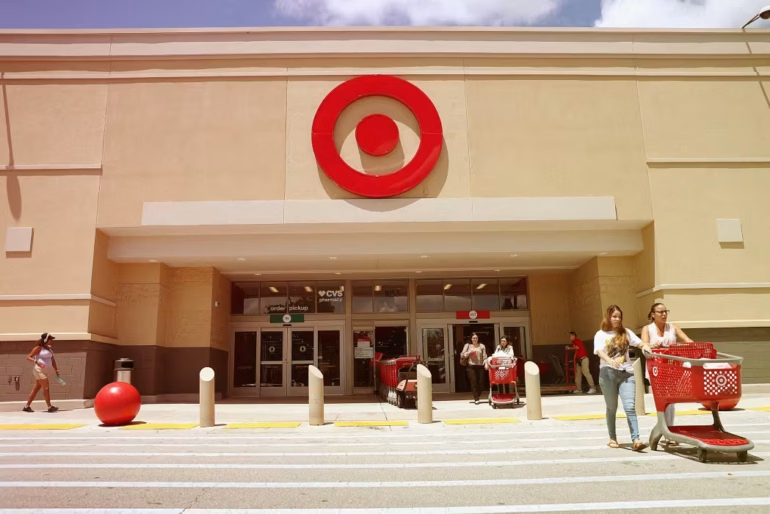
JCPenney leads the field with an average discount of 74.33 percent, essentially flat from a year ago. Macy’s ranks second at 56.50 percent, and Target is third at 38.47 percent. Most of the rest of the pack clusters in the 30 percent range: Kohl’s at 37.47 percent, Best Buy at 30.88 percent, Walmart at 30.57 percent, BJ’s at 30.51 percent, Home Depot at 30.33 percent and Amazon at 29.25 percent. Newegg sits at 23.15 percent, and Costco brings up the rear at 17.75 percent.
The bigger story is momentum. Target posted the largest year-over-year increase in its average discount, up 31.02 percent, followed by Macy’s at 27.08 percent and Costco at 17.70 percent. Moving the other way, Newegg’s average discount fell 19.62 percent, Kohl’s dropped 17.45 percent and Home Depot declined 14.87 percent.
Where the Best Deals Are by Category
The category view tells shoppers more than the headline averages. Macy’s leads apparel and accessories at 65.02 percent and toys at 59.86 percent. JCPenney tops jewelry at 74.55 percent and appliances at 62.18 percent. Target leads furniture at 45.46 percent, BJ’s leads consumer electronics at 36.67 percent, Best Buy leads computers and phones at 30.88 percent, and Amazon leads consumer packaged goods at 23.04 percent.
The Money at Stake
Those discounts are chasing an enormous pool of spending. Adobe forecasts U.S. consumers will spend $12.9 billion online on Black Friday, up 9.2 percent from 2025, with Cyber Monday on Nov. 30 expected to top it at $15.1 billion. Adobe projects $47.5 billion in online spending across the five days from Thanksgiving through Cyber Monday and $275.1 billion for the full November-December season. The National Retail Federation estimates that 126 million people plan to shop on Black Friday itself.
That spending keeps shifting online. Last year, according to NRF survey data, 85.7 million Americans shopped online on Black Friday, compared with 80.3 million who shopped in stores.

A Sale That No Longer Fits in a Day
Retailers have stretched the event into a season. Amazon’s Black Friday Week and Cyber Monday events run Nov. 19 through 30. Best Buy’s sale began Nov. 19, Target’s event runs Nov. 22 through 29, and Walmart’s main Black Friday event runs Nov. 23 through 29.
That stretch has consequences on the corporate side. Deep discounts can move volume while squeezing margins, and pulling purchases forward can soften the weeks that follow. H&M offered a cautionary example earlier this year, linking strong Black Friday-week sales at the end of November 2025 to subdued December demand in several markets.
What to Watch
For shoppers, the takeaway is simple: a big advertised percentage is not the same thing as a good deal, so comparing prices and checking price history still matters. For investors, the real verdict comes later, when retailers report holiday-quarter results and reveal whether the promotions created profitable demand or simply moved December’s sales into November. Macy’s, one of this year’s most aggressive discounters, reports third-quarter results on Dec. 2.