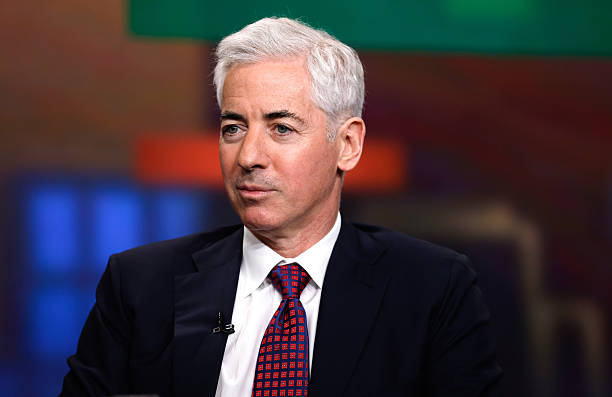
Bill Ackman’s Pershing Square Capital Management is divesting $290.5 million in stock back to Universal Music Group, a significant move following the rejection of Ackman’s ambitious takeover proposal. This transaction marks a notable pivot for the billionaire investor, who had previously sought to gain a more substantial foothold in the music conglomerate.
The initial bid, which aimed to acquire a controlling interest in Universal Music, was met with considerable resistance, ultimately leading to its withdrawal. Sources familiar with the matter indicated that the complex regulatory landscape and shareholder concerns played a pivotal role in the deal’s demise. Ackman, known for his high-profile activist investments, had positioned the Universal Music acquisition as a strategic opportunity to leverage the company’s vast catalog and streaming revenues.
This subsequent sale, however, signals a recalibration of Pershing Square’s strategy. Rather than a full-scale takeover, Ackman will now pare down his existing stake. The move raises questions about Ackman’s long-term vision for his investment in the music giant and the broader implications for the industry. While Ackman has historically demonstrated a keen eye for undervalued assets, the Universal Music saga highlights the challenges of executing large-scale corporate maneuvers in a dynamic market.
The financial implications of the sale are substantial, with $290.5 million representing a significant portion of Pershing Square’s exposure to Universal Music. This decision comes at a time when the music industry is grappling with evolving digital distribution models, the burgeoning creator economy, and ongoing debates surrounding artist compensation. Universal Music, as one of the ‘big three’ record labels, remains a central player in these discussions.
Ackman’s past ventures have often been characterized by bold bets and substantial returns, but the Universal Music situation presents a different narrative. His initial enthusiasm for the takeover, as reported by outlets like Billboard, contrasted sharply with the eventual outcome. The complexities involved in negotiating with a publicly traded entity like Universal Music, which has a diverse shareholder base and stringent governance, likely contributed to the hurdles faced.

The cultural significance of Universal Music cannot be overstated. Home to a roster of global superstars and an extensive catalog spanning decades, the company is intrinsically linked to the evolution of popular music. Ackman’s interest, therefore, was not merely financial but also positioned him at the nexus of culture and commerce. His ability to navigate this intersection has been a hallmark of his career, as detailed in profiles by publications such as The New York Times.
As the dust settles on the rejected takeover, the market will be watching closely to see how Ackman redeploys his capital and what his next strategic move will be. The sale back to Universal Music, while perhaps not the grand finale Ackman envisioned, still represents a significant financial transaction that underscores the volatile nature of high-stakes investing. The legacy of this particular maneuver will likely be debated within the financial and cultural spheres for some time to come, with analysts from institutions like Wikipedia often referencing such events in broader analyses of activist investing.