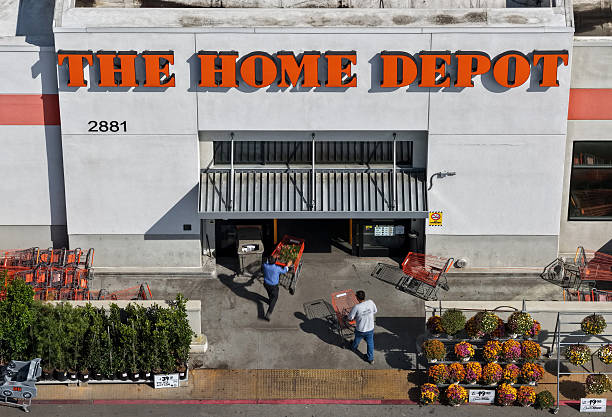
A new long‑term analysis finds Home Depot has delivered the highest cumulative total shareholder return among U.S. equities over the 45‑year period ending in 2026, placing the home improvement retailer at the top of retrospective return rankings.
The finding measures total shareholder return — the combination of share‑price appreciation and reinvested dividends over the full 45‑year window — and places Home Depot ahead of large‑cap peers when returns are compounded across multiple market cycles. The analysis highlights the company’s sustained wealth creation for long‑term holders rather than short‑term performance.
Home Depot’s rise reflects decades of strategic expansion from a regional chain into a dominant national retailer, an increasingly profitable professional trade business, and a sustained emphasis on capital allocation that has included dividends and share‑repurchase programs. Management decisions on store growth, supply‑chain investment and e‑commerce have all been cited by market observers as contributors to compound returns over time.
For investors, the ranking is a reminder of how long‑term compounding can amplify shareholder outcomes. Portfolios that held Home Depot through multiple housing cycles and reinvested dividends would have captured both cyclical gains and the cumulative effect of capital returns, a pattern the analysis makes plain.
Market implications are straightforward: the result shines a light on the importance of corporate capital allocation and resilience across cycles. The accolade may renew interest from income and value investors and will likely prompt fresh commentary from sell‑side analysts assessing whether the retailer’s historical advantages can be sustained under shifting macro conditions.
What comes next will hinge on the same set of variables that drove the past four decades: housing demand, consumer spending, interest‑rate trends and management’s approach to returning cash to shareholders. Analysts caution that past performance is not a forecast — the conditions that enabled outsized long‑run returns are subject to change and must be monitored through quarterly guidance, share‑repurchase announcements and the company’s exposure to the professional trade market.

The ranking adds to a wave of retrospective studies that re‑examine which long‑term bets produced the biggest wealth creation for investors. For now, Home Depot occupies the top spot for the 45‑year window, a development that will shape discussions about long‑term investing, corporate strategy and the lessons investors take from multi‑decade market performance.
Methodology note The analysis referenced relies on historical market data and does not account for taxes, fees or individual investor circumstances. It is a backward‑looking measure and should not be treated as investment advice.