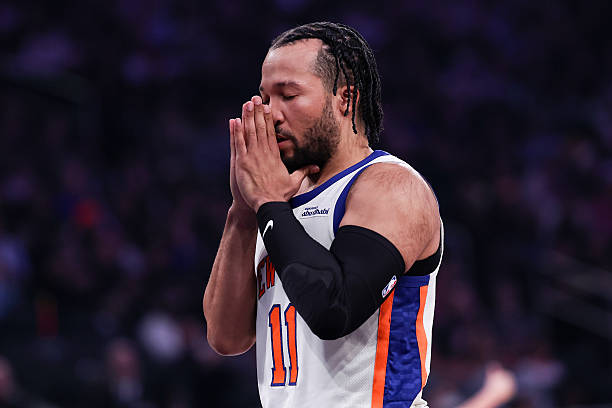
On Saturday night, September 27, 2026, Jalen Brunson stepped from the Madison Square Garden spotlight onto the NBC stage to host the season premiere of Saturday Night Live, and he didn’t go it alone. The episode felt like a New York homecoming, with Brunson’s Knicks identity woven through jokes, sketches and the evening’s promotional beats. More than a celebrity cameo, the premiere highlighted how an athlete’s cultural footprint can amplify a late‑night moment.
Brunson’s profile in New York has always been about more than statistics. As he’s become a central figure for the Knicks, his off‑court persona — affable, media‑savvy and comfortable in the spotlight — has grown in tandem. SNL gave him a chance to translate that persona into a different craft: live comedy, which demands a mix of timing, humility and the willingness to be a willing foil to professional comics.
Onstage, Brunson struck a careful balance between playing the expected role of the athlete and leaning into genuine comedic beats. He mined sports material — the pressures of clutch moments, the weight of New York expectations — without letting the show become a one‑note sports special. Instead of trying to outshine the cast, he often supplied the setup and let the ensemble land the payoff, a strategy that kept the episode feeling collaborative rather than celebrity‑driven.
The production choices underscored that crossover dynamic. Sketches used Knicks references as texture rather than as the entire joke, keeping the content accessible to viewers who might not follow basketball. The interplay between Brunson, the SNL cast and the musical elements of the show maintained the program’s familiar pace, and his moments of improv suggested a natural ease that could translate to future screen work.
There’s a practical calculus behind such appearances. For Brunson, hosting SNL is a high‑visibility expansion of his brand — a reminder to advertisers and media partners that his reach extends beyond the court. For the Knicks, the episode functions as cultural signaling: the team’s presence on a mainstream entertainment stage strengthens its place in the city’s larger conversation and creates crossover sponsorship opportunities. Networks benefit, too, as athlete hosts reliably draw curious viewers and social‑media buzz.

Looking ahead, this isn’t necessarily a career pivot as much as an addition to Brunson’s public portfolio. The season and his obligations to the Knicks come first, but successful late‑night turns often open doors to commercials, cameo acting parts and recurring media roles. If Brunson leans into that lane selectively, he can expand his influence while keeping basketball the core of his public identity.
Ultimately, the premiere felt like more than a one‑off stunt. The Knicks‑backed energy that propelled Brunson onto the SNL stage made the episode feel like a cultural convergence: sports charisma meeting New York late‑night tradition. In a media climate that prizes multiplatform stars, Brunson’s SNL night was less a detour than a signal of how modern athletes are shaping moments beyond the scoreboard.