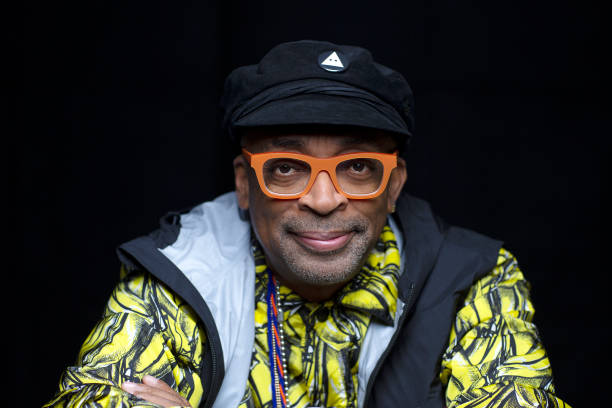
In a surprising display of solidarity, a new Public Service Announcement (PSA) features a constellation of Hollywood talent, including Spike Lee, Amy Schumer, and John Krasinski, championing New York City as ‘The Easiest Place to Film in the Country.’ This initiative, emerging from the heart of the entertainment industry, seeks to counter narratives of decline and highlight the city’s enduring appeal and logistical advantages for filmmakers. The PSA, released this week, is a direct response to ongoing discussions about production incentives and the competitive landscape for film and television. It aims to shift the perception from a city grappling with challenges to one that offers unparalleled ease for creative endeavors.
The timing of this PSA is significant. While New York has historically been a prime filming location, recent years have seen increased competition from states offering more aggressive tax credits and streamlined permitting processes. Cities like Atlanta and Vancouver have emerged as major production hubs, prompting concerns about New York’s ability to retain its status. This star-studded endorsement serves as a powerful counter-narrative, leveraging the credibility and reach of its participants to underscore the unique benefits of shooting in the five boroughs.
Spike Lee, a native New Yorker and a filmmaker whose work is intrinsically linked to the city’s identity, lends his voice to the campaign with characteristic conviction. His presence alone signifies a deep-rooted connection to the city’s cinematic legacy. Amy Schumer, known for her sharp wit and observational humor often rooted in her New York experiences, brings a contemporary, relatable perspective. John Krasinski, whose recent directorial efforts have showcased a knack for capturing authentic American locales, adds a voice of seasoned professionalism. Their collective appeal transcends genre and demographic, creating a broad base of support for the message.
The PSA’s central claim, that New York is ‘The Easiest Place to Film,’ is a bold assertion that challenges prevailing sentiments. It points to a confluence of factors that contribute to this ease: a vast and diverse array of shooting locations within a compact area, a deep pool of experienced industry professionals, robust infrastructure, and a city government that, through initiatives like the New York State Film Tax Credit program, has demonstrated a commitment to supporting the industry. This program, which has been instrumental in retaining productions, offers significant financial incentives that, when combined with the city’s inherent advantages, create a compelling package for producers.
Cultural analysis of this development reveals a fascinating interplay between authenticity and performance. While the PSA is undoubtedly a performance, a curated presentation designed to persuade, it is built upon a foundation of genuine appreciation for New York’s filmmaking ecosystem. The participating celebrities are not merely lending their faces; they are embodying a shared belief in the city’s creative spirit and operational efficiency. This contrasts with the often-cited criticisms of other locations, which can sometimes feel generic or lacking in the unique character that New York provides.

The relevance of this PSA in the current media landscape cannot be overstated. In an era where content production is at an all-time high, the competition for resources and talent is fierce. New York’s ability to maintain its position as a premier filming destination hinges on its capacity to offer not just creative opportunities but also practical advantages. The message that it is the ‘easiest’ place to film directly addresses a key concern for producers: efficiency and cost-effectiveness. This aligns with the publication’s focus on cultural shifts and transformations within the industry, moving beyond simple entertainment to critical analysis of the forces shaping creative output.
Looking ahead, the success of this initiative will depend on its ability to translate public sentiment into tangible benefits for the city’s film industry. While the PSA is a powerful statement, sustained investment, continued policy support, and an unwavering commitment to streamlining bureaucratic processes will be crucial. The legacy of New York as a cinematic mecca is undeniable, but its future depends on its adaptability and its continued ability to prove that, even in a rapidly changing world, it remains the easiest and most inspiring place to bring stories to life.