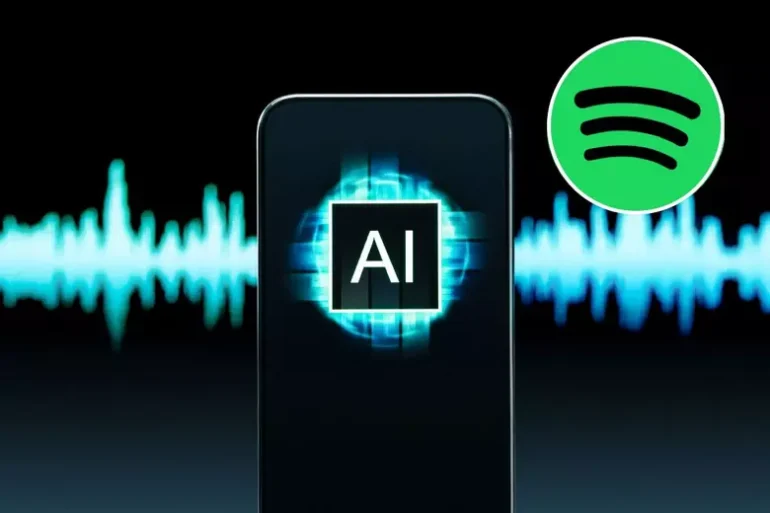
Spotify is preparing to roll out artificial intelligence tools that will allow subscribers to remix, speed up, and customize songs directly within the app, according to reports. The planned feature, which could arrive as part of an optional five-dollar monthly add-on tier, marks the streaming giant’s boldest push yet into fan-driven creation and music customization.
Bringing Fan Edits Into the Streaming Ecosystem
Under the reported plans, users would gain access to intuitive digital audio editing tools directly on mobile devices. Listeners could adjust the tempo and pitch of popular tracks, splice elements from multiple songs together, and create personalized mashups without needing external software. The capability is reportedly being developed under Spotify’s long-rumored premium enhancement tier, often referred to in industry discussions as “Music Pro.” While Spotify’s standard Premium subscription offers ad-free listening and on-demand playback, the proposed add-on targets dedicated music enthusiasts willing to pay extra for advanced audio controls, lossless streaming, and creative features.
Monetizing the Viral Remix Boom
The initiative directly tackles a fast-growing phenomenon that has transformed music discovery across social media: the explosion of modified audio. On platforms such as TikTok and YouTube Shorts, user-generated “sped-up,” “nightcore,” and “slowed plus reverb” edits regularly generate billions of plays. Historically, however, these modified tracks have circulated as unauthorized uploads, leaving major record labels, publishers, and recording artists cut out of potential royalties. By building native remixing tools directly into its ecosystem, Spotify has engaged with major rights holders—including Universal Music Group, Sony Music, and Warner Music Group—to establish licensing frameworks that ensure artists and songwriters receive compensation when their work is altered.
A New Revenue Model for Rights Holders
For the recording industry, the development represents a pragmatic evolution in managing modern fan culture. Rather than relying solely on copyright strikes and takedown notices, rights holders stand to capture measurable incremental revenue from user creativity. For Spotify, the strategy addresses two critical business imperatives: expanding average revenue per user following successive subscription price adjustments, and differentiating its service against competitors like Apple Music and Amazon Music through interactive features.

What Comes Next for Spotify Subscribers
While Spotify has not officially announced a public launch date, industry sources anticipate the feature will undergo limited testing in select markets before a broader international rollout. Important operational questions remain, including whether customized tracks can be shared publicly within user playlists or exported across social channels. If successfully deployed, the move could signal a fundamental shift in digital streaming, transforming platforms from passive listening libraries into interactive musical hubs where fan participation actively fuels artist revenue.