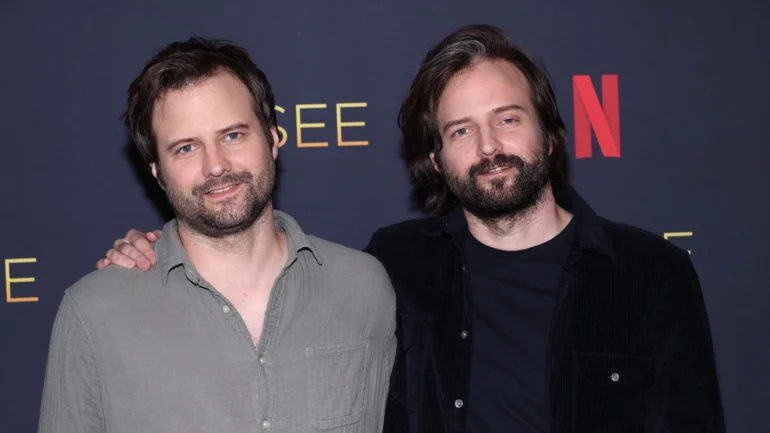
The landscape of modern entertainment, often perceived as a churn of sequels and reboots, is facing a clear message from its youngest demographic. Matt Duffer, co-creator of the global phenomenon ‘Stranger Things’, articulated this sentiment with striking clarity, suggesting that audiences, particularly younger ones, are actively seeking out fresh narratives. “They’re telling us very loudly that they’re hungry for original stories,” Duffer stated in a recent interview, a remark that reverberates through an industry increasingly reliant on established intellectual property.
For years, the entertainment industry has leaned heavily on franchise extensions and familiar characters. This strategy, while often lucrative, has led to a saturation of content that, for some, feels derivative. The success of ‘Stranger Things’ itself, a show that masterfully blended nostalgia with a unique narrative, can be seen as a testament to Duffer’s assertion. The series, which debuted in 2016, tapped into a vein of 1980s pop culture but infused it with a compelling original story, drawing in a massive audience that spanned multiple generations. Its initial reputation was that of a nostalgic throwback, but its enduring appeal lies in its innovative storytelling and character development.
The evidence for this shift in audience appetite is not merely anecdotal. Streaming platforms and studios alike are grappling with the challenge of capturing and retaining attention in an increasingly fragmented media environment. While established franchises continue to draw viewers, there is a growing demand for content that breaks the mold. Duffer’s observation points to a potential inflection point, where the pursuit of originality might become a more significant differentiator than brand recognition alone. The cultural analysis here is twofold: relevance versus legacy and authenticity versus performance. Shows that manage to feel both fresh and genuinely resonant, like ‘Stranger Things’ did in its early seasons, create a lasting legacy. Their authenticity lies in their narrative integrity, not in their ability to perform as a mere imitation of past successes.

The question that remains is whether this hunger for originality can be consistently satiated. The industry’s economic models are often built around minimizing risk, and original stories inherently carry more risk than established IPs. However, as Duffer suggests, the audience is sending a clear signal. The challenge for creators and executives is to interpret this signal not as a fleeting trend, but as a fundamental shift in consumer preference. The continued success of ‘Stranger Things’ and the anticipation for its final seasons, alongside the rise of other critically acclaimed original series, indicates that audiences are indeed rewarding bold narrative choices. This suggests that Duffer’s current strategy, which emphasizes creative vision and original concepts, still carries considerable weight in shaping the future of film and television.