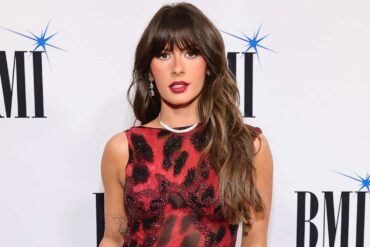

Megan Thee Stallion at the 2023 Variety Power of Women event in Los Angeles. (Photo by Emma McIntyre/Variety via Getty Images)
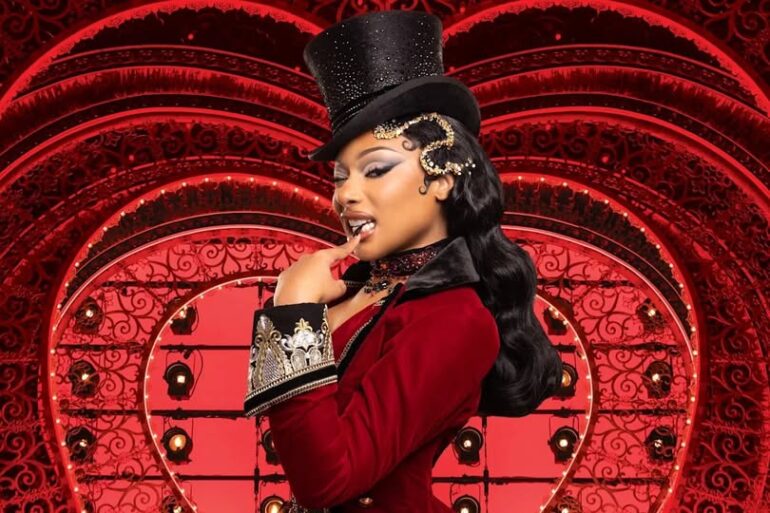
Once the unabashed purveyor of “hot girl shit,” rapping explicitly about sex, power, and unapologetic female desire, Megan Thee Stallion now stands on the precipice of a dramatically different stage: Broadway. This pivot, starring in a yet-to-be-revealed role, signifies more than just a career expansion; it represents a complex negotiation of fame, legacy, and the ever-shifting landscape of cultural relevance. The question isn’t just whether she can act, but whether this reinvention will resonate, or ring hollow in a culture quick to both celebrate and scrutinize.
The journey from Houston hip-hop to the bright lights of Broadway is a study in evolving identity. Let’s rewind.
Megan Jovon Ruth Pete, aka Megan Thee Stallion, exploded onto the scene with a brand built on unapologetic sexuality and female empowerment. Tracks like “Hot Girl Summer” and “Savage” became anthems, celebrating confidence and independence. Her early interviews with outlets like Paper Magazine showcased a young artist firmly in control of her narrative, defining “hot girl” not just as an aesthetic, but as a mindset. She embraced the “hottie” moniker, fostering a community of fans who celebrated self-love and confidence.
However, the narrative soon encountered turbulence. The highly publicized 2020 shooting involving Tory Lanez became a flashpoint. Megan’s account of the incident, initially met with skepticism and online harassment, forced her to navigate a complex web of trauma, public opinion, and legal battles. This period, covered extensively by outlets like The New York Times, revealed the darker side of fame and the pervasive misogyny within the industry.
During this time, Megan’s music also began to subtly shift. While still retaining elements of her signature sound, she explored more vulnerable themes. Her advocacy for Black women and victims of violence, highlighted in her powerful Saturday Night Live performance, showcased a growing awareness of her platform’s potential for social impact. This marked a departure from solely celebratory anthems, signaling a desire to be seen as more than just a “hot girl.”
Fast forward to the present: the Broadway announcement. While details remain scarce, the move is undeniably a bold one. It positions Megan outside of her established musical lane, demanding she be taken seriously as a performer in a new medium. This transition arrives amidst a saturated celebrity landscape where musicians are increasingly seeking multi-hyphenate status – acting, producing, fashion, beauty. But with each foray outside of their core discipline, the question of authenticity grows louder.
The reactions have been predictably mixed. Some applaud the ambition and willingness to take risks, seeing it as a natural evolution for a multifaceted artist. Others view it with skepticism, questioning whether it’s a genuine passion project or a calculated move to maintain relevance. The online discourse, as always, is a battleground of opinions, with many echoing concerns about “selling out” or diluting her brand.
Industry responses have been more measured. While no prominent figures have explicitly criticized the move, the general sentiment seems to be one of cautious observation. Will she be able to deliver a compelling performance? Will her fanbase translate to Broadway ticket sales? These are the questions quietly circulating within the entertainment world. As Variety noted, the success of this venture hinges not only on Megan’s talent but also on the project itself. A poorly conceived role or production could easily backfire, damaging her credibility.
Megan herself has offered glimpses into her motivations. In various interviews with publications like Vogue, she’s spoken about her desire to challenge herself and explore new creative avenues. She’s also alluded to the pressure of maintaining relevance in a rapidly changing industry, stating, “You have to constantly evolve and reinvent yourself to stay on top.” This admission, while not explicitly addressing the Broadway move, hints at a strategic awareness of her career trajectory.

The Broadway gamble speaks volumes about the current cultural moment. We live in an era obsessed with reinvention and the pursuit of multi-faceted fame. Celebrities are no longer confined to their original disciplines; they are expected to be entrepreneurs, activists, and influencers, all while maintaining a carefully curated public persona. This relentless pursuit of relevance often blurs the lines between authenticity and performance.
The concept of legacy is also undergoing a transformation. In the past, artists often focused on creating a body of work within their chosen field, striving for critical acclaim and enduring impact. Today, the emphasis seems to be shifting towards immediate visibility and widespread appeal. The metrics of success have become increasingly quantifiable – social media followers, streaming numbers, and brand endorsements. This creates a pressure to constantly chase the next viral moment, even if it means straying from one’s core artistic identity.
Furthermore, Megan’s journey highlights the contested nature of cultural authority in the digital age. In the past, gatekeepers like record labels and media outlets held significant power in shaping public perception. Today, artists have more control over their own narratives, using social media to connect directly with fans and bypass traditional channels. However, this increased autonomy also comes with increased scrutiny. Every move is dissected, analyzed, and often amplified by the echo chamber of the internet. The ability to cultivate a loyal fanbase is crucial, but maintaining that loyalty requires a delicate balance of authenticity, transparency, and strategic self-promotion.
The transition also underscores the ongoing debate about the role of women in hip-hop. For years, female rappers have faced the double standard of needing to be both talented and marketable, often being forced to conform to narrow stereotypes of sexuality and aggression. Megan Thee Stallion initially thrived within this framework, embracing her sexuality and asserting her dominance in a male-dominated industry. However, as she has evolved, she has also challenged these expectations, demonstrating a desire to be seen as more than just a sexual object or a tough-talking rapper.
Ultimately, Megan Thee Stallion’s foray into Broadway is a high-stakes gamble in a rapidly evolving cultural landscape. It reflects a broader trend of celebrities seeking to expand their influence and maintain relevance in an attention-driven economy. Whether this move will solidify her legacy or dilute her brand remains to be seen. But one thing is certain: her journey will continue to be a fascinating case study in the complexities of fame, identity, and the ever-shifting definition of success in the modern era. Will audiences embrace this new chapter, or will they yearn for the “hot girl” who once confidently declared her reign over the summer? The answer lies not just in her performance, but in the ever-evolving expectations of a culture that both celebrates and scrutinizes its icons.