The American narrative has long been one of automotive exceptionalism, a cultural bedrock built on Detroit’s chrome-laden titans and California’s open-road dreams. Yet, a quiet revolution is brewing not in the gleaming showrooms of Main Street, but just across the border in El Paso, Texas, where Mexican dealerships are peddling the very high-tech Chinese vehicles that Washington is increasingly seeking to block. This intriguing juxtaposition—a geopolitical wall erected against innovation that’s already seeping into American consciousness—speaks volumes about a nation grappling with its technological identity and a growing consumer curiosity that transcends national borders.
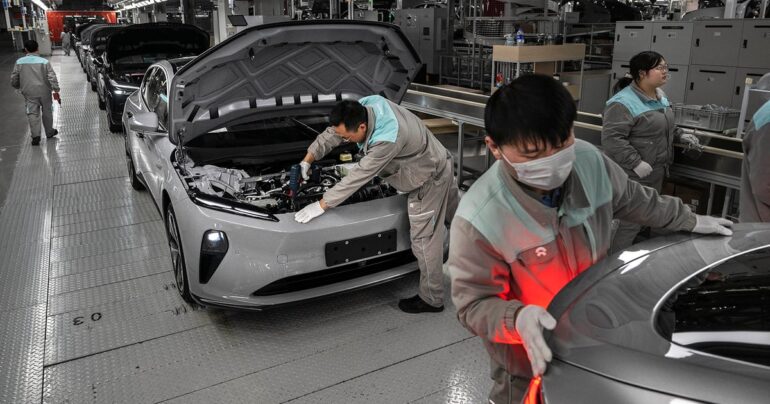
The journey of Chinese automotive brands into the global market has been swift and ambitious. Companies like BYD, SAIC, and Geely have rapidly evolved from budget manufacturers to innovators in electric vehicle (EV) technology, offering sleek designs, advanced features, and competitive pricing that are making waves internationally. For years, the perception of Chinese cars in the U.S. was largely limited to budget-friendly, utilitarian models, if they were considered at all. Early ventures often struggled to gain traction, hampered by concerns over quality, safety, and brand recognition. The landscape in 2024, however, is starkly different. Reports from outlets like The New York Times have highlighted how these advanced vehicles are readily available just miles from the U.S. border, creating an accessible, albeit unofficial, gateway for American consumers intrigued by the cutting edge of automotive technology.
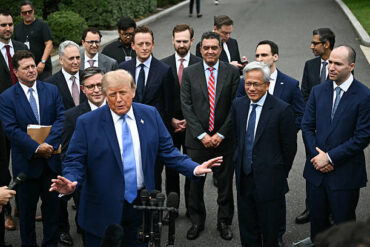
This situation is not merely a logistical quirk; it’s a cultural inflection point. The U.S. government’s stance, encapsulated by proposed legislation and executive actions aimed at restricting Chinese tech imports, including vehicles, reflects a deeper anxiety about economic competition and national security. The Biden administration, echoing concerns previously voiced by national security officials, has expressed worries that connected vehicles could pose data security risks, as detailed by Reuters. This creates a fascinating dichotomy: while policy makers erect barriers, a segment of the American public is actively, albeit indirectly, embracing the very technology deemed a potential threat. The allure of advanced EVs, featuring sophisticated driver-assistance systems and impressive battery ranges, is proving a powerful counter-narrative to official pronouncements.
The consumer response in El Paso and surrounding border communities offers a glimpse into this evolving dynamic. Anecdotal evidence and reports from local news suggest a growing number of Americans are making the trip south to explore and even purchase these vehicles. This isn’t about a fringe group; it’s about individuals seeking value, innovation, and perhaps a taste of the future that feels just out of reach through official channels. The very act of crossing the border for a car purchase—a traditionally American rite of passage—becomes a subtle act of defiance against trade barriers and a testament to the pull of superior product. It highlights a growing disconnect between national policy and consumer desires, a pattern seen across various tech sectors where innovation often outpaces geopolitical maneuvering.
The broader cultural implications are significant. This scenario taps into a fundamental tension between patriotism and pragmatism, between nationalistic sentiment and the universal human desire for progress and affordability. For decades, the American auto industry has enjoyed a protected status, a symbol of industrial might. Now, faced with a globalized marketplace where technological leadership is no longer solely its prerogative, the U.S. is confronting the reality that its competitive edge is being challenged on multiple fronts. The cars crossing the border aren’t just vehicles; they are symbols of China’s ascent as a manufacturing and technological powerhouse, forcing a national reckoning with shifting global dynamics.
Moreover, the narrative surrounding these cars touches upon themes of authenticity and performance. As consumers become more sophisticated, they are less swayed by brand legacy alone and more by tangible features and value. The “Made in China” label, once associated with lower quality, is being recalibrated, particularly in the EV space. BYD, for instance, has emerged as a global leader in EV production, surpassing even Tesla in sales volume for certain quarters, as reported by BBC News. This shift challenges American perceptions and forces a re-evaluation of what constitutes cutting-edge automotive design and engineering.
The situation in El Paso also underscores the power dynamics at play in the modern media and geopolitical landscape. Government rhetoric can shape public perception, but the tangible reality of superior or more accessible products often speaks louder. The conversations happening in border towns, shared through social media and word-of-mouth, create an organic counter-narrative to official pronouncements. This decentralized form of influence bypasses traditional gatekeepers and highlights how cultural authority is increasingly contested, with consumers themselves playing a more active role in defining what is desirable and relevant.
As the U.S. grapples with how to respond to China’s rapidly advancing technological sector, the situation at the border serves as a potent case study. It raises questions about the efficacy of protectionist policies in an interconnected world and the ability of national governments to dictate consumer choice when compelling alternatives emerge. Will the U.S. continue to build walls, or will it find ways to adapt, innovate, and compete more directly? The vehicles sitting in Mexican dealerships, just a stone’s throw from American consumers, represent not just a trade dispute, but a cultural crossroads, challenging ingrained notions of automotive supremacy and forcing a conversation about America’s place in the evolving global technological order. The question remains whether the U.S. can reclaim its narrative of innovation or if it will be content to watch from the sidelines as the future drives by, just over the border.