Filmmaker Ari Aster, known for his unsettling and critically acclaimed work, has revealed the existence of a prequel script for his breakout horror film, Hereditary. Despite completing the script, Aster expressed that the timing has never felt appropriate to bring the project to fruition.
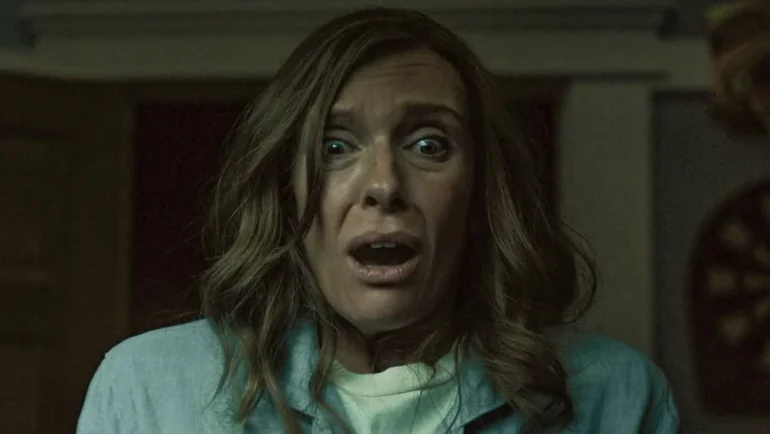
In a recent interview, Aster, whose directorial debut Hereditary (2018) cemented his reputation as a master of modern horror, shared details about a potential prequel. “I wrote a prequel to Hereditary, but it never feels like the right time,” he stated, leaving fans to speculate about the unmade story that would delve deeper into the Paimon lineage and the events preceding the film’s shocking narrative. The original film, starring Toni Collette, Alex Wolff, and Gabriel Byrne, explored themes of grief, trauma, and inherited curses with a visceral intensity that left a lasting impact on the genre. Its success on platforms like Rotten Tomatoes and its critical reception on sites such as The New York Times underscored Aster’s unique voice.
Aster’s career trajectory since Hereditary has been marked by ambitious projects that continue to push the boundaries of conventional filmmaking. His subsequent films, Midsommar (2019) and Beau Is Afraid (2023), have further explored complex psychological landscapes and existential dread, garnering significant attention and debate within the cultural sphere. While Midsommar achieved considerable commercial success and critical acclaim, akin to the initial reception of Hereditary, Beau Is Afraid presented a more challenging and divisive cinematic experience. This evolution in his work, moving from contained familial horror to sprawling, allegorical narratives, highlights Aster’s artistic growth and his willingness to experiment. His approach, often discussed in publications like Billboard and Variety, is characterized by a meticulous attention to detail and a profound understanding of cinematic language.
The potential prequel to Hereditary raises questions about artistic intent and the evolution of a filmmaker’s vision. Aster’s hesitation to proceed suggests a careful consideration of how and when his stories are told, prioritizing thematic resonance and narrative integrity over immediate production. This measured approach is a hallmark of his career, distinguishing him from directors who might capitalize on early success with immediate sequels or prequels. His creative process, often dissected on platforms like Wikipedia, indicates a deliberate crafting of his filmography. The decision to hold back the Hereditary prequel speaks volumes about his commitment to artistic control and his belief that the story must align with his current creative sensibilities and the broader narrative arc of his burgeoning career.

The cultural relevance of Aster’s work lies in its ability to provoke deep emotional responses and spark widespread discussion. Films like Hereditary not only entertain but also serve as a canvas for exploring profound human anxieties. The legacy of such a film is intertwined with its impact on the horror genre and its place in contemporary cinema. By withholding the prequel, Aster maintains a sense of mystique around his most iconic work, allowing its original impact to endure while he continues to forge new narrative paths. This strategy ensures that his filmography remains a cohesive exploration of his thematic preoccupations rather than a series of disconnected genre exercises. His current projects continue to be keenly anticipated, signaling a sustained weight to his directorial choices and his unique brand of cinematic storytelling.