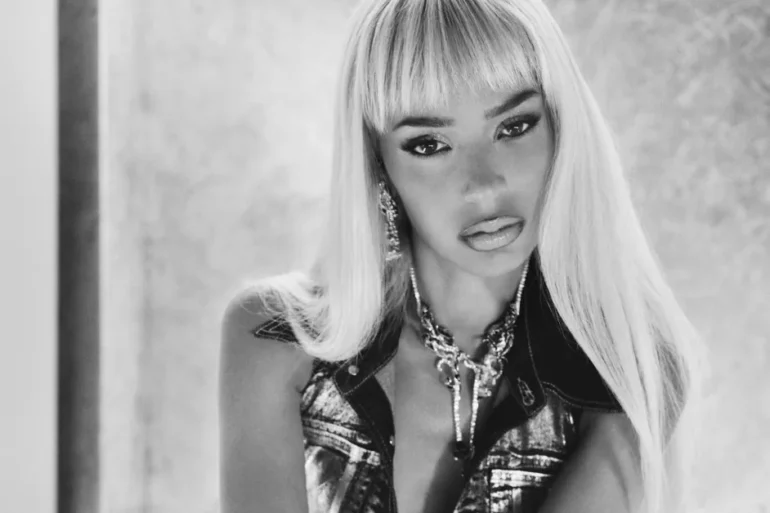
For years, Bad Gyal operated in a self-made lane, a provocateur conjuring a potent blend of dancehall, reggaeton, and Atlanta trap that felt both futuristic and deeply rooted in the street sounds of Barcelona. Her early persona was defined by a defiant, almost confrontational sexuality and a DIY ethos that eschewed mainstream polish for raw, unadulterated attitude. Now, with the release of her ambitious new album, Más Cara, Bad Gyal is not just solidifying her place in the global reggaeton landscape, but actively attempting to reshape it. The shift is palpable, moving from the underground disruptor to a figure vying for cultural currency and industry respect, a transformation that reflects a broader, complex negotiation of authenticity, performance, and power in the digital age.
Bad Gyal, born Alba Farelo i Solé, first burst onto the scene around 2016 with tracks like “Fiebre” and “Sabadabadá.” Her early work was characterized by a raw energy, a deliberate embrace of provocative lyrics, and an aesthetic that challenged conventional notions of femininity and artistry within the predominantly male reggaeton scene. She cultivated an image of unvarnished confidence, often collaborating with producer and DJ, Fake Guido, to craft a sound that was intentionally lo-fi and gritty. Her performances were often described as explosive, a testament to her magnetic stage presence and her unapologetic exploration of female desire and empowerment. This early era was marked by a fierce independence; she managed herself and released music independently, fostering a loyal, almost cult-like following among those drawn to her authentic, anti-establishment vibe. As noted by VICE in a 2017 profile, her raw appeal lay in her “unfiltered reality,” a stark contrast to the often-sanitized narratives of pop stardom.
The mid-period saw Bad Gyal navigating the increasing attention and the pressures of a burgeoning international career. While maintaining her signature sound, there were subtle shifts. She began working with a wider range of producers and incorporating more polished elements into her music, a move that signaled a growing ambition. Projects like Slow Burn (2019) and the EP Warm Up (2021) showcased a more refined artistic vision, hinting at a desire to transcend niche appeal. Yet, this evolution wasn’t without its ambiguities. Some long-time fans questioned whether the embrace of a more mainstream sound risked diluting the very rawness that made her unique. Conversely, her increasing visibility brought new collaborators and opportunities, including features on tracks with established Latin artists, exposing her to a wider audience and solidifying her presence within the broader Latin music ecosystem. This phase was a delicate balancing act—maintaining her artistic integrity while capitalizing on her growing influence.
The release of Más Cara marks a definitive crystallization of this new narrative. The album is a sprawling, 14-track project that dives headfirst into the core of reggaeton, but filtered through Bad Gyal’s distinctive lens. Tracks like “La Prendo” and “Blin Blin” showcase a more mature artist, one who is confident in her lyrical prowess and her ability to command the genre’s sonic palette. This isn’t just a collection of club bangers; it’s a statement of intent. Bad Gyal is no longer just an outlier; she’s actively claiming a central position, aiming for the kind of respect and longevity enjoyed by the genre’s established titans. Her recent performances and interviews surrounding the album’s release have underscored this ambition, presenting her as a serious artist ready to compete on a global stage. As Billboard has observed, her rise represents a significant moment for female artists pushing boundaries in traditionally male-dominated genres.
This ascendancy has not been without friction. The journey from underground icon to mainstream contender inevitably invites scrutiny and, often, backlash. Early in her career, her overt sexuality and unapologetic persona drew both admiration and criticism, with some outlets framing her as merely a provocative figure rather than a serious artist. As her sound evolved, discussions arose within fan communities and music forums about authenticity. Was she selling out? Was the polish compromising the edge? The industry, too, has responded with a mix of embrace and skepticism. While major labels and streaming platforms have shown increased interest, there’s a subtle undercurrent of questioning her long-term viability as a purely reggaeton artist, given her genre-bending roots. Peer reactions have been varied, with some artists celebrating her success as a win for independent female artists, while others may view her strategic positioning within established genres with caution. This dynamic is typical in cultural shifts—the innovator is lauded, but the consolidator often faces more complex debates about artistic compromise and legacy.
Crucially, Bad Gyal herself has offered insights into the motivations driving her evolution, though often couched in her characteristic directness. In interviews, she has spoken about the importance of controlling her narrative and artistic vision. “I’ve always wanted to be in control of my career,” she stated in a 2022 interview with Vogue Spain, touching on the importance of independence. While not directly addressing a desire for fame or attention, her actions—from carefully curating her image to strategically collaborating with key figures in the Latin music industry—suggest a clear intent to gain greater influence and lasting relevance. The title of her album, Más Cara, which translates to “More Face” or “More Mask,” could be interpreted as a commentary on the multifaceted nature of public identity, suggesting a strategic performance or an unveiling of deeper layers rather than a simple change of persona. It implies a conscious choice to present a more polished, powerful, and perhaps less vulnerable version of herself to the world, one equipped to navigate the complex demands of global superstardom.

What Bad Gyal’s trajectory reveals is a profound commentary on the current cultural moment, particularly concerning the interplay between relevance, legacy, authenticity, and performance. In an era where social media and streaming platforms have democratized access but also intensified the demand for constant content, artists face immense pressure to adapt. The line between genuine self-expression and calculated performance has become increasingly blurred. Bad Gyal’s journey illustrates the strategic tightrope walk many artists undertake: maintaining a core identity that resonates with an initial fanbase while evolving to capture a broader audience and industry acclaim. Her embrace of reggaeton’s established structures, after building her career on its fringes, speaks to a sophisticated understanding of how cultural authority is gained and maintained in the modern media ecosystem. It’s a question of playing the long game—leveraging existing power structures to secure a lasting legacy, even if it means navigating accusations of compromise along the way. The pursuit of relevance today often necessitates a performance of authenticity that is itself a curated product.
As Bad Gyal continues to chart her course with Más Cara, the critical question remains: does this strategic embrace of the reggaeton mainstream represent a genuine expansion of her artistry and influence, or a calculated adaptation for sustained relevance? Her ability to maintain her unique edge while commanding the attention of the global music industry will be the ultimate test. The landscape of music is ever-shifting, and the strategies that ensure dominance today may not guarantee it tomorrow. Bad Gyal has proven her power to disrupt and innovate; now, she is aiming to consolidate. Whether this marks the beginning of a new era for her and for reggaeton, or a temporary perch atop a fickle cultural tide, remains to be seen. Her ambition is clear, her talent undeniable, but in the complex ecosystem of global music, the most enduring legacies are often built on more than just a powerful beat and a fearless persona.