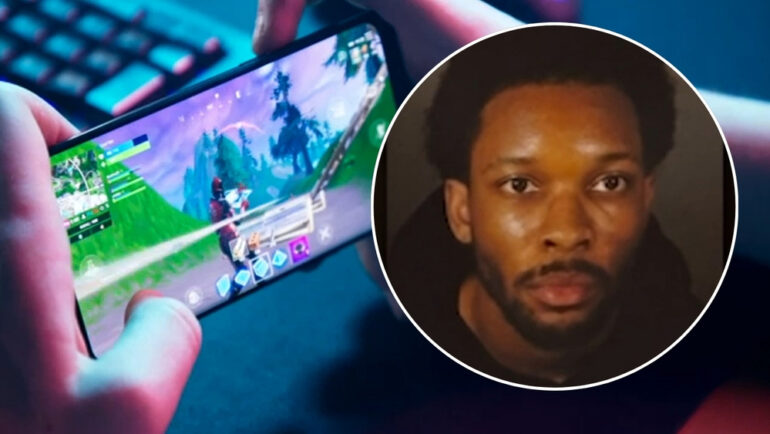

Just months after reaching a fever pitch of online adoration, d4vd, the enigmatic artist who captured the internet’s collective ear with his melancholic bedroom pop, finds himself at the center of a digital firestorm. The popular video game Fortnite announced it would be issuing refunds for in-game cosmetic items featuring the artist, following serious allegations of his involvement in a murder. This swift and decisive action by Epic Games highlights not just a stark ethical dilemma for brands navigating the complexities of celebrity endorsement, but a potent crystallization of the precariousness of online fame and the rapid, often brutal, recalibrations that define modern cultural relevance.
The narrative surrounding d4vd, born David Anthony Burke, was one of meteoric ascent, propelled by the virality engine of platforms like TikTok. In 2022, his track “Romantic Homicide” exploded, becoming a global phenomenon and a testament to the power of lo-fi production and raw, introspective lyricism. Before the allegations, d4vd was positioned as a sensitive, authentic voice for a generation grappling with emotional nuance. His early work, often created and shared from his bedroom, resonated deeply, fostering a perceived intimacy with his audience. This persona was amplified by his visual aesthetic, which often leaned into a somber, introspective mood, further cementing his image as a relatable, albeit brooding, artistic prodigy. His early Spotify and SoundCloud streams painted a picture of an artist breaking through organically, his rise seemingly unscripted and pure. This organic, bedroom-producer-turned-global-star narrative was precisely what made him so appealing and, by extension, a seemingly safe bet for brand partnerships.
The turning point in d4vd’s public trajectory arrived with the surfacing of a homicide charge against him in March 2023. The allegations, which detail his alleged involvement in the fatal stabbing of a 19-year-old man named Oliver Stark in January 2023, cast a dark shadow over the artist’s previously unblemished image. Prior to this, d4vd’s burgeoning career seemed to be hitting new heights, marked by high-profile collaborations and significant industry attention. The juxtaposition of his artistic themes of melancholy and unrequited love with the gravity of real-world violence created an immediate and profound dissonance. This ambiguity intensified as the legal proceedings unfolded, moving from whispers and online speculation to official charges that could not be ignored by major corporations.
The fallout from the murder charge was swift and far-reaching, extending beyond the legal sphere into the commercial and cultural realms. Fortnite, a platform that has increasingly integrated popular culture into its virtual world, had recently featured d4vd in its own rhythm-based game, *Fortnite Festival*. The collaboration included cosmetic items and emotes bearing his likeness and associated with his music. Upon the news of the serious allegations, Epic Games acted decisively, announcing the removal of d4vd-related content and initiating a refund process for players who had purchased these items. This decision, while perhaps pragmatic from a business and PR standpoint, underscored the sensitivity surrounding endorsements tied to artists facing criminal charges. The move signaled a clear message: in the contemporary digital landscape, brands are increasingly unwilling to weather the storm of severe controversy tied to their public faces, especially when it involves allegations of violent crime. Other potential brand partnerships likely faltered or were reconsidered in the wake of the charges, creating a stark contrast between the artist’s prior upward trajectory and his sudden, enforced digital retreat.
While d4vd himself has not issued extensive public statements directly addressing the specific allegations due to the ongoing legal proceedings, the indirect acknowledgment of the situation’s gravity is evident in the industry’s response. The very act of Fortnite issuing refunds speaks volumes. It’s an implicit recognition that the brand association has become untenable, a tacit admission that the perceived innocence or artistic integrity previously projected by d4vd is now irrevocably compromised in the public eye. The absence of his voice, while legally understandable, only amplifies the broader narrative of consequence. His silence, born of legal necessity, becomes a stark indicator of the severity of the situation, contrasting sharply with the open, performative vulnerability often associated with his music and online persona. This is not a case of an artist confessing; it is a case of the cultural ecosystem itself drawing a hard line, forcing a reevaluation of digital partnerships when confronted with incontrovertible legal action.
This entire episode serves as a potent case study in the current cultural moment, revealing several critical undercurrents. The tension between *relevance and legacy* is starkly illustrated here. d4vd’s rapid ascent was predicated on his immediate relevance—his music capturing the zeitgeist and his online presence fostering a sense of contemporary connection. However, serious allegations threaten to overwrite any potential for a lasting artistic legacy. The situation also probes the uncomfortable line between *authenticity and performance*. Was the sensitive, introspective persona a genuine reflection of d4vd’s character, or a carefully curated performance designed for virality? The allegations suggest a profound disconnect, forcing audiences to question the authenticity of the digital idols they embrace. Furthermore, the dynamics of *power, attention, and influence in the modern media ecosystem* are laid bare. Brands like Epic Games wield significant power to grant and retract cultural capital. The swift refund policy demonstrates their ability to swiftly sever ties when an association becomes toxic, protecting their brand image above all else. This also speaks to the fleeting nature of *attention* itself; d4vd’s fall from grace is as rapid as his rise, a cycle fueled by the relentless news machine and social media’s insatiable appetite for narrative shifts. The question of how cultural authority is gained, lost, or contested today is central: for d4vd, a crisis of legal standing has demonstrably eroded the cultural capital he meticulously built online, illustrating that in the digital age, perceived character, especially when legally challenged, can outweigh artistic merit in the eyes of major commercial entities.
As d4vd navigates the legal challenges ahead, his future in the mainstream entertainment industry hangs precariously in the balance. The Fortnite refunds represent a decisive, if perhaps premature, judgment from a powerful cultural gatekeeper. In a landscape where digital personas are constantly scrutinized and brand partnerships are integral to sustained success, the artist’s current predicament raises significant questions. Can he, or any artist facing such severe allegations, truly reclaim the unadulterated adoration that once propelled them? Or has the damage irrevocably altered his standing, transforming him from a relatable icon into a cautionary tale? The incident underscores that while digital platforms can offer unparalleled avenues for exposure and connection, they also create a volatile environment where public perception can shift with alarming speed, leaving even the most seemingly secure digital stars vulnerable to the harsh realities of scandal and consequence.