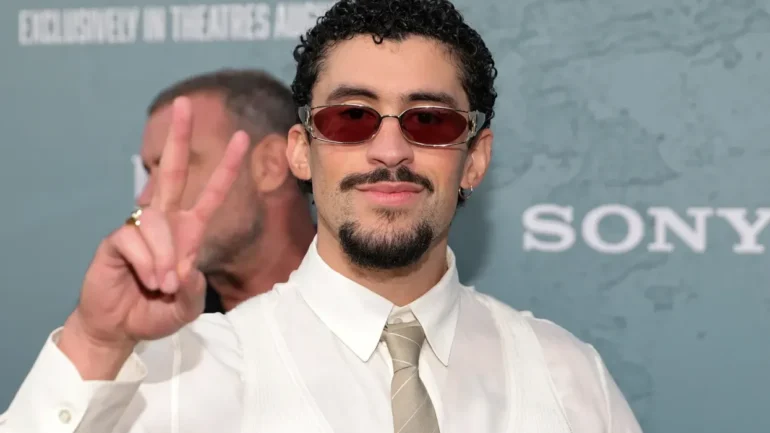
Bad Bunny, the global music phenomenon and cultural force, has taken a significant step in solidifying his personal brand by filing to trademark his birth name, Benito Antonio Martínez Ocasio. The move, revealed through trademark filings, coincides with the debut of a new “Benito Antonio” logo at the recent Met Gala, sparking considerable buzz among fans and industry observers alike. This strategic decision suggests a potential shift in how the Puerto Rican superstar intends to navigate his increasingly multifaceted career, blurring the lines between his artistic persona and his identity as Benito Antonio.
For years, Bad Bunny has operated under a moniker that has become synonymous with a new era of Latin music dominance and a fearless approach to fashion and cultural commentary. His early reputation was built on a raw, unpolished energy that resonated with a generation seeking authenticity. However, as his star has ascended to unprecedented heights, marked by sold-out global tours, Grammy awards, and a significant presence in fashion and film, a more curated and deliberate image has begun to emerge. The trademark filing and the “Benito Antonio” logo serve as concrete evidence of this evolution, signaling a desire to control and leverage his full identity in the public sphere.
The implications of trademarking a birth name in the entertainment industry are far-reaching. It allows the individual to exert legal control over the use of that name across various commercial ventures, including merchandise, branding, and future business endeavors. This is particularly relevant for artists like Bad Bunny who have transcended music to become cultural icons with influence extending into fashion, entrepreneurship, and even acting. As reported by Variety, such moves are often precursors to significant brand expansions or a more focused personal venture.
The “Benito Antonio” logo, unveiled at the Met Gala, offers a glimpse into this potential future. Unlike the bolder, more rebellious imagery often associated with the Bad Bunny brand, this new emblem appears more refined, suggesting a more mature and perhaps more commercially oriented direction. It raises questions about whether this signifies a softening of his edge or a strategic expansion of his brand’s appeal to broader markets. Industry analyses, such as those found in Billboard, often highlight how artists leverage their personal identities to create deeper connections with audiences and explore new revenue streams.
This strategic branding is not unprecedented. Many artists have found success in leveraging their full names to establish distinct personal brands separate from, or in conjunction with, their stage names. For instance, Beyoncé has meticulously cultivated her personal brand, intertwining it with her artistic output. Similarly, Bad Bunny’s deliberate embrace of his birth name could indicate a desire to build a legacy that extends beyond his musical achievements, encompassing a wider spectrum of cultural influence.
Authenticity has always been a cornerstone of Bad Bunny’s appeal. His willingness to challenge norms and speak out on social and political issues has endeared him to a vast and loyal fanbase. The question now is how this move towards a more formalized personal brand, symbolized by the trademark and the new logo, will be perceived by that audience. Will it be seen as a natural progression of an artist maturing and expanding his horizons, or could it be interpreted as a departure from the raw authenticity that first captured their attention? This delicate balance between performance and genuine expression is a constant challenge for artists at the zenith of their careers, as explored in cultural critiques in publications like the New York Times.

The timing of this trademark filing also warrants attention. As Bad Bunny continues to solidify his position as a global superstar, making strategic moves to protect and promote his identity becomes increasingly crucial. This could be a proactive measure to safeguard his brand against potential misuse or to lay the groundwork for future ventures that require a distinct legal and commercial identity. The history of artist branding, often documented on platforms like Wikipedia, shows that such protective measures are standard practice for artists seeking long-term career sustainability and control.
Ultimately, the trademarking of his birth name and the introduction of the “Benito Antonio” logo represent a significant juncture in Bad Bunny’s career. It suggests a conscious effort to evolve his brand, potentially broadening his appeal while maintaining a connection to his roots. Whether this strategic shift will enhance his legacy or alter the perception of his authenticity remains to be seen, but it undoubtedly signals a new chapter for one of the most influential cultural figures of our time.