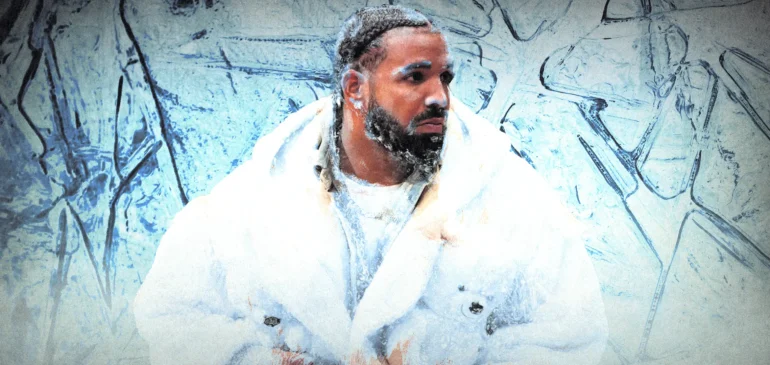
Drake’s evolution as an artist is often charted by his sonic shifts and lyrical themes. His early work frequently delved into vulnerability and romantic woes, establishing a persona that resonated deeply with a generation. However, a discernible shift has occurred, particularly in recent years, toward a more assertive, almost defiant, ‘Iceman’ persona. This transformation isn’t merely thematic; it reflects a calculated strategy in his career, moving from expressing pain to projecting an unassailable authority. This analysis explores the lyrical evidence of this shift, examining how Drake has cultivated and maintained this ‘Iceman’ identity, and assessing its impact on his cultural relevance and artistic legacy.
The early Drake, as heard on tracks like ‘Marvins Room’ or much of his debut mixtape ‘So Far Gone,’ was characterized by emotional rawness. He was the heartbroken lover, the introspective artist grappling with fame and relationships. This vulnerability was his initial appeal, forging a powerful connection with listeners who saw their own struggles reflected in his music. Critics at the time often lauded his ability to blend hip-hop bravado with R&B sensibility. As noted by Billboard, ‘So Far Gone’ was a pivotal moment, showcasing a new voice in hip-hop unafraid to express softer emotions.
However, the narrative began to subtly change. As Drake’s global superstardom solidified, so too did a certain guardedness in his public persona and lyrical output. Tracks started to feature more boasts, more pronouncements of dominance, and less introspection. The ‘Iceman’ persona—cool, detached, and unbothered—began to emerge. This isn’t to say vulnerability vanished entirely, but it became a tool rather than a primary mode of expression. The shift can be pinpointed through key lyrical moments. In ‘Make Them Cry,’ a track that showcases this burgeoning confidence, Drake addresses detractors with a dismissive swagger. The sentiment is clear: their attempts to undermine him are futile, and his success is a testament to his resilience, not his susceptibility to their criticism.
The transition from expressing pain (‘Make Them Cry’) to projecting an unassailable command (‘Make Them Know’) is a deliberate artistic choice. This transformation is evident in his later work, where lyrics often exude a supreme confidence bordering on arrogance. The ‘Iceman’ is not someone who needs validation; he dictates the terms of engagement. This is exemplified in lines where he asserts his dominance over the industry and his peers. The cultural analysis of this shift is multifaceted. Is it a genuine reflection of his growth, or a performance designed to maintain relevance and legacy? The New York Times has explored this duality, questioning whether the polished facade masks a deeper artistic evolution or a strategic brand management.

Authenticity versus performance is a central debate when discussing Drake’s ‘Iceman’ lyrics. While his early work felt undeniably authentic, his current persona often appears meticulously crafted. The ‘Iceman’ doesn’t flinch; he doesn’t reveal weakness. This curated detachment allows him to navigate the treacherous waters of celebrity and industry politics with a seemingly impenetrable exterior. The question of legacy looms large. While vulnerability might foster immediate connection, the ‘Iceman’ persona cultivates an image of enduring power and influence. The cultural analysis must consider whether this projection of unshakeable confidence ultimately enhances his legacy or risks alienating listeners who once connected with his more human side. The shift from ‘Make Them Cry’ to ‘Make Them Know’ signifies more than just a lyrical change; it represents a strategic recalibration of his artistic identity in the ever-evolving landscape of popular music.
Drake’s ability to adapt and redefine his persona is a hallmark of his sustained career. The ‘Iceman’ era, characterized by its cool detachment and assertive lyrical content, represents a significant chapter in his artistic journey. The transition from expressing personal turmoil to projecting unassailable authority has been a deliberate and effective strategy. While debates about authenticity and performance will likely continue, the impact of this evolution on his cultural relevance is undeniable. The question remains: in this era of ‘Make Them Know,’ does Drake’s current strategy still carry the weight of genuine artistic expression, or has the Iceman become too cold to connect?