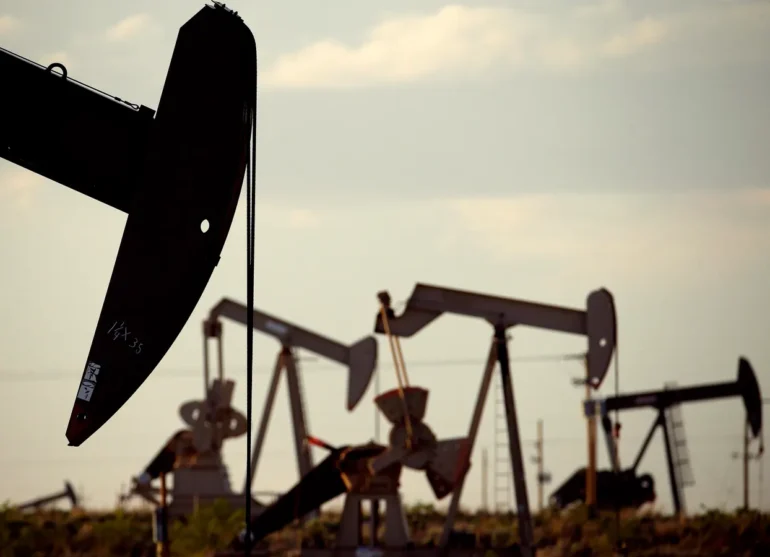
The global energy landscape is at a pivotal moment, with major oil producers signaling a readiness to ramp up output amidst evolving market dynamics. This strategic pivot, occurring on May 8, 2026, contrasts sharply with previous periods of production restraint, raising questions about the long-term implications for both the industry and the broader economy. Publications like Reuters have noted a palpable shift in sentiment among key players.
For years, the narrative surrounding oil production has been dominated by concerns over sustainability, geopolitical instability, and the accelerating transition to renewable energy sources. This led to a cautious approach, with organizations such as OPEC+ implementing significant production cuts to stabilize prices and manage market supply. However, recent economic indicators and a perceived stabilization in demand have prompted a reassessment.
Evidence of this impending shift can be seen in the forward-looking statements from energy executives and the updated production forecasts from major oil-producing nations. Companies that had scaled back operations are now reportedly preparing their infrastructure for a potential surge in extraction. As one industry analyst, quoted by The Wall Street Journal, put it, “The market is signaling a need for more supply, and producers are responding. It’s a delicate balance, but the current trajectory suggests an increase is imminent.” This represents a significant departure from the conservationist stance adopted during the height of the global energy transition push.
The cultural analysis surrounding this development is multifaceted. On one hand, there’s the question of relevance versus legacy. Will a renewed focus on oil production undermine the progress made in renewable energy, or can these sectors coexist in a diversified energy future? The authenticity versus performance debate also comes into play. Are these producers genuinely responding to market signals, or is this a strategic move to reassert dominance in a changing world? As noted in a recent BBC Business report, the industry is walking a tightrope between meeting immediate energy demands and addressing long-term climate commitments.

The current strategy, which appears to prioritize immediate supply to meet perceived demand, carries significant weight. It could stabilize energy prices in the short term, providing relief to consumers and industries grappling with economic pressures. However, it also risks reigniting concerns about carbon emissions and potentially slowing down the adoption of cleaner energy alternatives. The coming months will be crucial in determining whether this increased output is a temporary adjustment or a more fundamental reorientation of global energy strategy, with implications that will resonate for years to come.