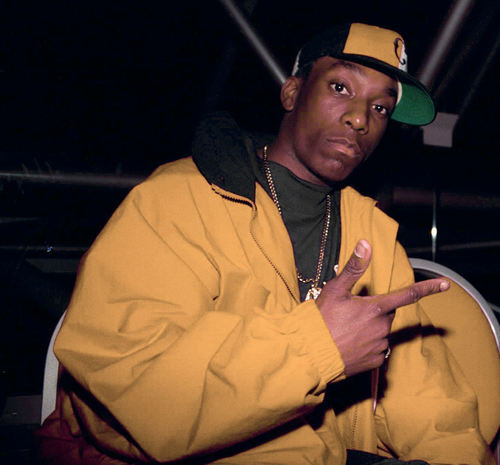
Before his life was tragically cut short at 24, Lamont Coleman, known to the world as Big L, stood poised to dominate the burgeoning New York hip-hop scene. His ferocious lyrical dexterity and effortless charisma had already earned him a devoted following and the respect of his peers. Now, over two decades later, his estate has released the trailer for “The Parable of Lamont Coleman,” a documentary promising an intimate look at the man behind the mic. But is this a celebration of a fallen icon, or a calculated attempt to reignite a legacy in an era obsessed with relevance?
Big L’s career, though brief, left an indelible mark. From his early days with Children of the Corn alongside Cam’ron, Murda Mase, and Herb McGruff, to his explosive solo debut *Lifestylez ov da Poor & Dangerous* in 1995, L established himself as a formidable force. His signature blend of humor, vivid street narratives, and unparalleled freestyle skills set him apart. Tracks like “Put It On” and “MVP” became instant classics, showcasing his lyrical prowess and cementing his place among hip-hop’s elite. His affiliation with the legendary Diggin’ in the Crates Crew (D.I.T.C.) further solidified his reputation within the underground hip-hop community.
However, Big L’s career was also marked by periods of relative inactivity and shifting priorities. While he remained a respected figure within the New York scene, his sophomore album, *The Big Picture*, was released posthumously in 2000. The album, while commercially successful, lacked the raw energy and distinctive voice that defined his earlier work. This shift, partly attributed to label pressures and the changing landscape of hip-hop, sparked debate among fans who yearned for the unfiltered brilliance of his debut.
The release of “The Parable of Lamont Coleman” trailer has been met with a mix of excitement and skepticism. For longtime fans, it offers a chance to revisit the legacy of a beloved artist and learn more about his life beyond the music. For others, it raises questions about the motivations behind the project and whether it can truly capture the essence of Big L without exploiting his memory. The trailer itself promises rare footage, interviews with family and friends, and insights into his creative process. However, it also hints at a narrative that may prioritize myth-building over honest introspection.
This isn’t the first time Big L’s legacy has been revisited. Posthumous albums, re-releases, and countless tributes have attempted to keep his name alive. However, these efforts have often been met with mixed results, with some feeling that they capitalize on his death without truly honoring his artistry. The challenge lies in balancing the desire to preserve his memory with the need to avoid exploiting his image for commercial gain.
The documentary’s release arrives at a crucial moment in hip-hop culture. In an era dominated by streaming services, social media, and constant content creation, the definition of “legacy” is constantly evolving. Artists are now forced to compete for attention in an oversaturated market, where viral trends and fleeting moments of fame often overshadow genuine talent and lasting impact. This raises the question of whether a posthumous documentary can truly resonate with a new generation of listeners who may be unfamiliar with Big L’s music or the context in which he emerged.
Furthermore, the film’s success hinges on its ability to navigate the complexities of authenticity and performance. In a world where image is everything, artists are often pressured to cultivate a carefully curated persona that appeals to a specific audience. Big L, on the other hand, was known for his raw, unfiltered honesty and his willingness to speak his mind, regardless of the consequences. The documentary must capture this authenticity without romanticizing his flaws or sanitizing his story.
The issue of control is also paramount. Posthumous releases are often subject to intense scrutiny, as fans and critics question the extent to which the artist’s original vision is being honored. Family estates can sometimes be accused of making decisions that prioritize financial gain over artistic integrity. The involvement of Big L’s estate in the documentary suggests a desire to control the narrative and ensure that his story is told in a respectful and accurate manner. However, it also raises questions about potential biases and omissions.

Consider the cultural dynamics at play when an artist’s influence continues to grow long after their passing. 2Pac and The Notorious B.I.G. are prime examples of artists whose legacies have been carefully managed and cultivated in the years since their deaths. Their music continues to be streamed and celebrated, their images adorn merchandise, and their stories are told and retold in documentaries, biopics, and other forms of media. While these efforts have undoubtedly helped to preserve their memory and introduce their music to new audiences, they have also raised concerns about commercial exploitation and the potential for historical revisionism.
Ultimately, “The Parable of Lamont Coleman” faces the daunting task of reconciling the myth with the man. It must delve beyond the surface-level narratives and grapple with the complexities of his life, his art, and his untimely death. It must also confront the ethical dilemmas inherent in posthumous projects and strive to honor his legacy without exploiting his memory. Whether it succeeds remains to be seen. But one thing is certain: Big L’s music continues to resonate with those who appreciate true lyrical skill. This documentary is an attempt to solidify his place in hip-hop history, but it also serves as a reminder of the fragility of life and the enduring power of art.
The documentary’s cultural importance rests on its ability to offer a nuanced and multifaceted portrait of Big L, one that acknowledges both his strengths and weaknesses, his triumphs and his struggles. It must avoid the trap of hagiography and instead strive to present a balanced and objective account of his life and career. By doing so, it can contribute to a deeper understanding of his legacy and his impact on hip-hop culture.
In a cultural landscape obsessed with the new, the shiny, and the immediately gratifying, “The Parable of Lamont Coleman” asks us to remember a time when lyrical skill reigned supreme and authenticity was valued above all else. Whether this message will resonate with a generation raised on mumble rap and TikTok trends remains to be seen. But for those who remember the golden age of hip-hop, Big L will always be an MVP.