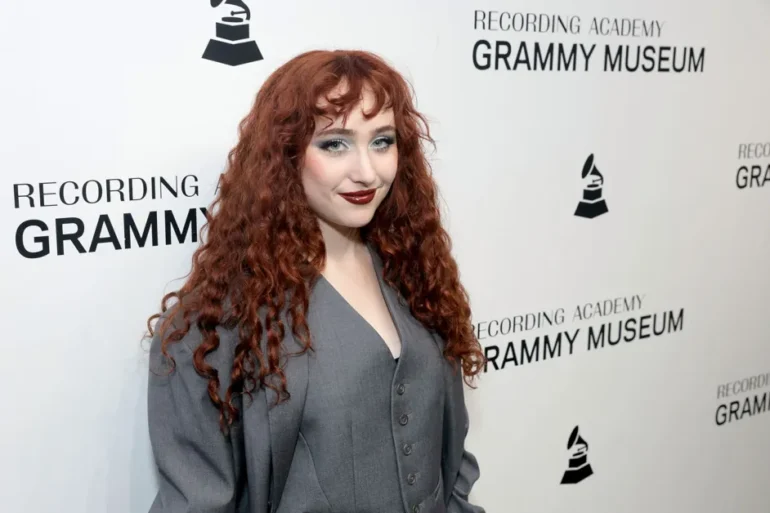
In an era where authenticity is currency when it comes to building and establishing a fan base, celebrities are increasingly under pressure to appear relatable to their audience. But when that relatability feels manufactured it often backfires. The recent discourse surrounding Chappell Roan has reignited this conversation, highlighting a growing frustration with performative celebrities.
Chappell Roan and the “Trailer Park” Narrative
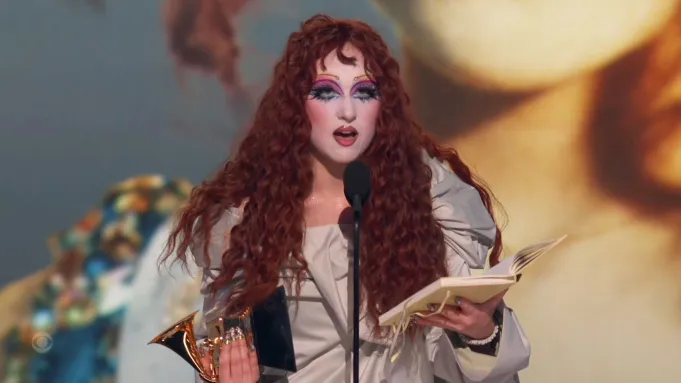
Chappell Roan, who has been growing in fame within the past few years for her unique style, music, and personality. However, some people online have been criticizing her for exaggerating certain details around her upbringing in order to appear more relatable or grounded.
Audiences today are extremely conscious of branding, and can tell if something is performative or not. The question is not so much whether Roan has struggled financially as it is whether or not that struggle is being portrayed in a way that makes her marketable.
Why “Pretending to Be Poor” Feels Off
Seeing as both of her parents worked in healthcare and operated a fairly successful mobile vet clinic, many people have found her description of her upbringing being “tacky” and “trashy” as disingenuous, seeing as how so many celebrities try to portray themselves as struggling as a branding tool.
This is not a recent phenomenon, with many celebrities like Victoria Beckham and Lana Del Rey who both came from well-to-do families but act as though they grew up struggling to project an image of “I’m just like you.” However, in this new era of social media, we now have more access to the true lifestyles of these celebrities and can see through the appearances.
The Rise of Performative Authenticity
This trend amongst celebrities is often referred to as “performative authenticity,” fans where public figures try to portray struggle to build connection with audiences. According to media scholars in celebrity studies and digital culture, relatability has become more of a branding tool rather than a byproduct of personality.
For artists like Chappell Roan, whose appeal partly lies in being unconventional and emotionally expressive, fans expected honesty and transparency.
Why Fans Are More Critical Now
Today’s audiences are much more critical than they were before. Platforms like TikTok and Twitter (now X) have created a culture where fans actively analyze celebrity behavior, branding, and messaging, and these things all guide whether or not fans choose to follow and support these artists, What might have once been dismissed as “artistic expression” is now dissected as potential manipulation. When celebrities appear to “cosplay” poverty, it risks alienating the very audiences they’re trying to connect with.

The Impact on Real People
One of the most significant critiques of this trend is its impact on people who actually live in poverty. When financial struggle becomes an aesthetic, it can minimize the realities of those who don’t have that choice.
Living in a trailer, struggling to pay bills, or navigating economic instability are not branding tools, they are lived experiences that come with systemic challenges. When celebrities use these experiences as part of their image, it can come across as tone-deaf, even if unintentional.
To be fair, artists have always used storytelling and personas as part of their craft. Music, especially pop, thrives on having a strong identity that can stand out in a sea of people. The question isn’t whether artists should stop doing this, but rather how they can do it responsibly.
Relatability Shouldn’t Be a Costume
All in all, the backlash against celebrities “pretending to be poor” reflects a broader cultural shift in the industry. Audiences no longer want curated relatability; they want sincerity. As celebrity culture continues to evolve, one thing is clear: being relatable isn’t about appearing less successful, it’s about being real about what success actually looks like.