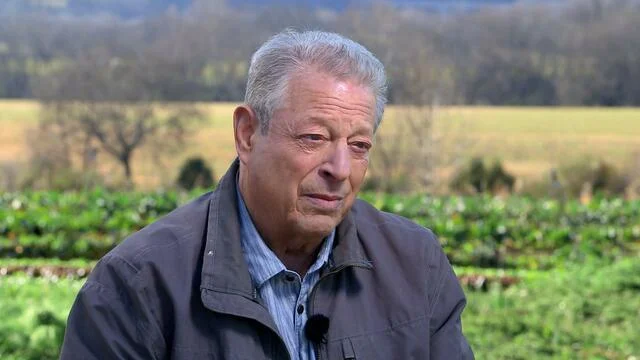
In 2005, as Davis Guggenheim was preparing to depart Participant Media, producers Lawrence Bender and Laurie David approached him with a compelling idea. Former Vice President Al Gore had embarked on a nationwide tour, delivering slideshow presentations to any audience willing to listen. This grassroots effort, fueled by Gore’s conviction, was on the cusp of becoming a cinematic phenomenon with the documentary film “An Inconvenient Truth.” The film would not only amplify Gore’s message but also fundamentally alter the public discourse surrounding climate change, transforming it from a niche scientific concern into a mainstream global imperative.
Gore’s initial presentations, though earnest, lacked the polished production and broad reach that film could provide. The visual aids, often described as a slideshow, were the backbone of his argument, meticulously detailing the science and potential consequences of a warming planet. Guggenheim, known for his work on films like “The Ring” and “Donnie Brasco,” saw the potential to translate Gore’s passionate, if somewhat dry, lecture into a visually engaging and emotionally resonant cinematic experience. The challenge was to maintain the integrity of Gore’s scientific data while crafting a narrative that would captivate a wider audience, transcending the typical documentary viewership.
The decision to focus on Gore’s personal journey and his deep-seated concern for the environment added a crucial layer of human connection. The film weaves together footage from his lectures with intimate interviews, exploring his lifelong fascination with the climate and the personal tragedies that sharpened his resolve. This biographical element was key to building empathy and making the abstract threat of climate change feel more immediate and personal. The film’s release in 2006, timed strategically with growing scientific consensus and increasing public awareness, proved to be a watershed moment. It earned critical acclaim, including an Academy Award for Best Documentary Feature, and brought Gore’s message to millions worldwide. The film’s impact was undeniable, sparking conversations in living rooms, classrooms, and political arenas alike, solidifying its place as a landmark in environmental activism and documentary filmmaking.