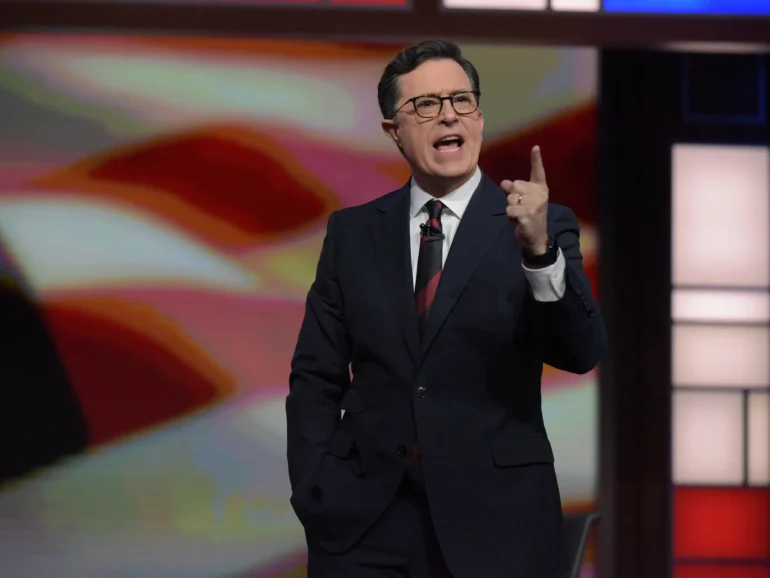
In 2016, as the United States grappled with a deeply divided electorate, Stephen Colbert attempted to unite a fracturing nation. His live special on the Showtime cable network on Election Night became a stark reflection of the country’s anxieties. As Donald Trump’s victory solidified, the palpable tension among the live audience was evident in their increasingly audible groans.
Colbert, known for his sharp political satire, had positioned himself as a voice of reason and a potential unifier during a tumultuous election cycle. The broadcast, intended as a moment of shared experience and perhaps catharsis, instead amplified the shock and dismay felt by many Americans. The shift from anticipated celebration to widespread unease marked a significant moment, not just for the show, but for the cultural landscape it inhabited.
This event highlighted a crucial juncture for Colbert, moving from his established persona as a satirical commentator to a figure attempting to navigate a reality that often outstripped satire. The live audience’s reaction served as an immediate barometer of the nation’s mood, underscoring the profound impact of the election results. The cultural criticism that followed would grapple with the effectiveness of such responses in an era of heightened political polarization.
The immediate aftermath of the 2016 election saw a flurry of analysis regarding the role of media and entertainment in processing national trauma. Colbert’s special, broadcast on November 8, 2016, became a focal point for discussions about authenticity versus performance in political commentary. Critics noted the delicate balance he attempted to strike between humor and genuine concern, a challenge amplified by the unexpected outcome.

In the years since, the conversation around Colbert’s approach has evolved. His ability to adapt his comedic voice to address the complexities of the Trump presidency and its aftermath has been a subject of ongoing debate. The question remains whether his strategy, which blends incisive critique with a more measured, less overtly partisan tone, continues to resonate with audiences seeking cultural understanding in a rapidly changing world. The legacy of that 2016 broadcast, therefore, is not just about a single television event, but about the broader transformation of political satire in America.