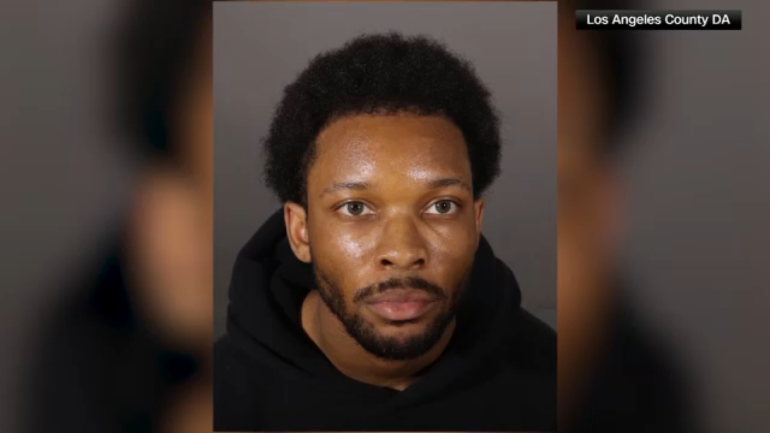
D4VD, the lo-fi bedroom pop artist who serenaded a generation with vulnerable melodies and introspective lyrics, now finds himself embroiled in a narrative far removed from the innocent heartbreak of “Romantic Homicide.” The 18-year-old, celebrated for his DIY ethos and raw emotionality, stands accused of aggravated assault, a stark contrast to the sensitive persona carefully cultivated online. While his parents, through their family lawyer, maintain his innocence and express their “sadness and disappointment,” the arrest throws into sharp relief a broader cultural tension: the precarious nature of online personas and the messy realities that often lie beneath.
The D4VD story, until recently, read like a Gen Z fairytale. Born David Burke, he rose to prominence during the pandemic, recording tracks in his Houston bedroom using an iPhone and a makeshift recording setup. His breakthrough single, “Romantic Homicide,” a raw and unfiltered expression of teenage angst, resonated deeply with listeners, racking up hundreds of millions of streams and catapulting him to viral fame. Signed to Darkroom/Interscope Records, he quickly became a poster child for a new generation of artists bypassing traditional industry gatekeepers, embracing authenticity, and connecting directly with their audience through platforms like TikTok and SoundCloud.
D4VD’s appeal rested not just on his music, but also on the carefully constructed image he presented. He was the anti-pop star, the relatable kid next door pouring his heart out in lo-fi recordings. Interviews emphasized his genuine passion for music, his dedication to his craft, and his commitment to staying true to himself. He spoke openly about his influences, ranging from indie rock to R&B, and cultivated a brand that felt both accessible and aspirational. He presented himself as someone authentically connected to his feelings, deeply vulnerable, and representative of Gen Z’s emotional landscape. His music videos often featured him in everyday settings, further reinforcing his image as an ordinary teen thrust into extraordinary circumstances.
The narrative began to subtly shift as D4VD’s star ascended. While maintaining his commitment to vulnerability in his music, he ventured into more stylized visuals and collaborations, signaling an evolution from his bedroom origins to a more polished, industry-driven approach. He also embraced a more assertive on-stage presence, adding a layer of confident performance to his previously demure public image. This evolution, while natural for any burgeoning artist, sparked murmurs among some fans who questioned whether the “real” D4VD was being diluted by fame.
The recent arrest, however, represents a seismic shift. Details remain scarce, and it’s crucial to remember that D4VD is presumed innocent until proven guilty. However, the very accusation of aggravated assault clashes so violently with the previously curated persona that it has sent shockwaves through his fanbase and the music industry. Social media is ablaze with reactions, ranging from expressions of disbelief and disappointment to calls for due process and support. Some fans feel betrayed, arguing that the arrest shatters the illusion of the “authentic” D4VD they had come to admire. Others are more circumspect, acknowledging that artists are human beings capable of making mistakes, and that the charges should not necessarily negate the value of his music.
The industry’s response has been predictably cautious. Interscope Records has yet to release an official statement, and radio stations have largely refrained from pulling his music from rotation. However, behind the scenes, conversations are undoubtedly taking place about how to manage the situation and mitigate any potential damage to the D4VD brand. The incident serves as a stark reminder of the risks associated with investing in young, unproven artists, particularly those who cultivate a strong sense of authenticity online. While authenticity can be a powerful marketing tool, it also creates higher expectations of moral conduct, making any misstep all the more damaging.
What makes this situation particularly resonant is that D4VD isn’t the first young artist to face such a reckoning. The music industry is littered with tales of young stars struggling to reconcile the pressures of fame with their own personal growth and development. From Justin Bieber’s early brushes with the law to Billie Eilish’s struggle to manage her image, the transition from ordinary teenager to global superstar is fraught with challenges. The D4VD case underscores the unique pressures faced by Gen Z artists who have grown up in the age of social media, where every action is potentially recorded and scrutinized.

While direct self-admissions are absent at this early stage, the marketing around D4VD consistently highlighted his “authenticity” and “relatability” as key selling points. This branding strategy, while successful in attracting a large following, also created a certain expectation of transparency and moral rectitude. The aggravated assault charge, regardless of its ultimate outcome, undermines this carefully constructed image, raising questions about the nature of online personas and the extent to which we can truly know the people we follow on social media. Was the “authentic” D4VD a carefully crafted performance all along? Or is this simply a case of a young man making a mistake, one that should not define his entire career?
The D4VD situation reveals several key aspects of our current cultural moment. First, it highlights the ongoing tension between authenticity and performance in the digital age. In a world where everyone is encouraged to curate their online presence, it becomes increasingly difficult to distinguish between genuine self-expression and carefully constructed branding. Second, it underscores the intense pressure faced by young artists to maintain a flawless image, particularly when their appeal is predicated on their relatability and vulnerability. Third, it raises questions about the role of the music industry in shaping and managing the careers of young stars, and the extent to which labels are responsible for providing them with the support and guidance they need to navigate the complexities of fame.
Ultimately, the D4VD case is a cautionary tale about the perils of projecting idealized images onto young artists, and the dangers of confusing online personas with real-life individuals. As the legal proceedings unfold, it remains to be seen whether D4VD can salvage his reputation and rebuild trust with his fans. But regardless of the outcome, the incident serves as a stark reminder that even the most carefully constructed narratives can crumble under the weight of reality. In a culture obsessed with authenticity, the D4VD arrest exposes the fragility of online personas and the enduring human capacity for both vulnerability and fallibility, forcing us to reconsider the weight we assign to curated online identities versus the messy realities of lived experience. Whether his current image still carries weight in a changing environment is uncertain, but the episode has undeniably altered the landscape of his career and the perception of his carefully built persona.