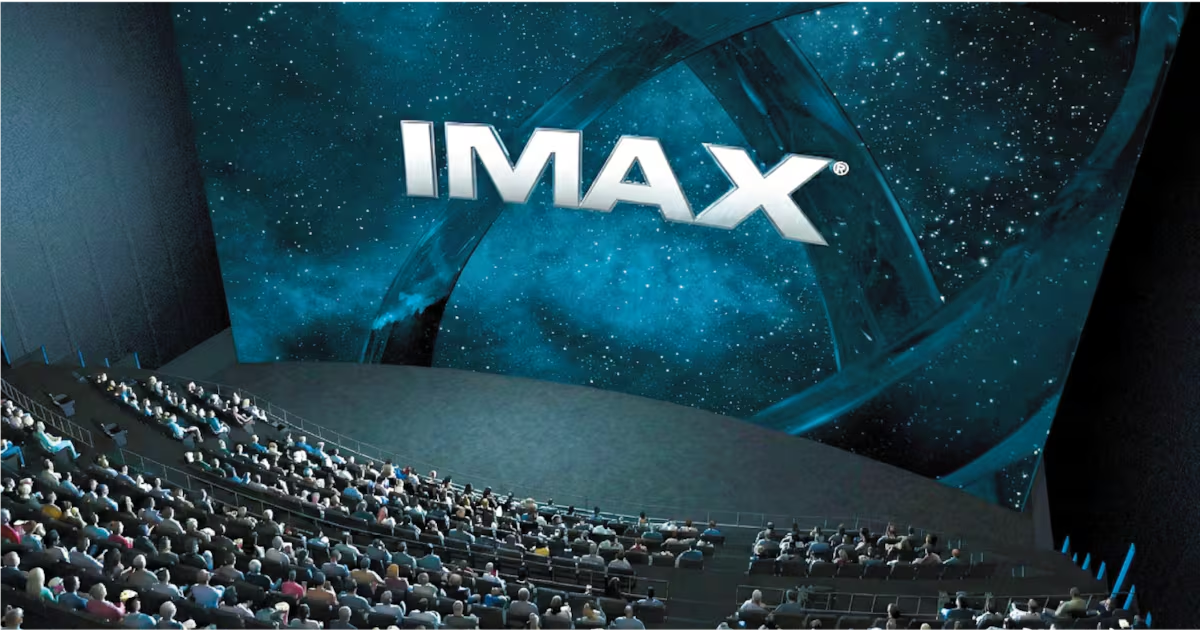
The imposing, cavernous halls of an IMAX theater, once the undisputed apex of cinematic immersion, are finding themselves in a peculiar bind. This past quarter, a period that should have been a triumphant showcase of blockbuster power with potential hits like Avatar: The Way of Water (though incorrectly referenced as ‘Fire and Ash’ in some reporting) and Andy Weir’s Project Hail Mary, saw IMAX’s revenue and profits take a noticeable dip. This financial underperformance, even with significant film releases, signals a more profound cultural recalibration at play, suggesting that the promise of unparalleled spectacle alone is no longer a guaranteed ticket to sustained success in an increasingly fragmented entertainment landscape.
IMAX, a brand synonymous with grand, awe-inspiring cinematic experiences, has long cultivated an image of premium, unparalleled quality. For years, their narrative was one of technological superiority, offering audiences an escape into worlds rendered with breathtaking detail and immersive sound. Early statements and positioning from the company consistently emphasized the transformative power of their format, promising an experience that transcended mere movie-watching. Their technology was not just an upgrade; it was presented as the ultimate way to *feel* a film, drawing audiences to their exclusive screens for event-level releases that demanded the biggest possible canvas. This strategy built a powerful brand identity, associating IMAX with the most significant cinematic events of the year.
However, the first quarter of this year presented a different picture. Reports from sources like Variety detailed a decline in revenue and profit, a surprising outcome given the potential draw of major releases. While films like Dune: Part Two have performed exceptionally well in IMAX formats, indicating the enduring appeal of the premium experience for certain titles, the overall financial figures suggest a broader trend of audience recalibration or perhaps a strategic over-reliance on the inherent draw of the format itself. The mid-period shift can be observed in the increasing competition not just from other cinema chains, but from the burgeoning streaming services and a general evolution in consumer entertainment habits, where immediate, on-demand access often trumps the logistical and financial commitment of a theatrical outing.
The public reaction to these financial results has been largely confined to industry analysis and business reporting, rather than widespread public outcry. Yet, the implication is significant. Audiences are becoming more discerning, and the bar for what constitutes an “event” worth leaving the house for is being constantly raised. The industry response, while not overtly critical of IMAX, has been to double down on securing tentpole films that are either produced or optimized for the IMAX format, a strategy that acknowledges the format’s continued importance but also highlights its reliance on external content. The media framing often focuses on the performance of individual films, sometimes overshadowing the deeper structural shifts affecting the entire theatrical exhibition sector. This reliance on blockbuster content, while necessary, also exposes the vulnerability of IMAX to the release slates of major studios.
While IMAX executives have not explicitly confessed to a strategy of mere provocation or attention-seeking, their continued emphasis on the *experience* can be interpreted as an implicit acknowledgment of the need to constantly justify their premium pricing and exclusive format. The narrative of “seeing it the way the director intended” is a powerful one, but it requires consistent backing from films that truly leverage the technology. The success of films like Top Gun: Maverick in IMAX, and more recently Dune: Part Two, demonstrates that when the content aligns perfectly with the format’s capabilities, audiences will still flock to the premium offering. This suggests a strategic positioning that aims for unparalleled immersion, a deliberate choice to be the ultimate destination for visual and auditory grandeur, rather than competing on accessibility or price.

This situation illuminates a critical juncture in our cultural moment, one where the very definition of relevance is being contested. For IMAX, the challenge lies in navigating the delicate balance between legacy and relevance. Their legacy is built on an unparalleled visual experience, but in an era where attention spans are shrinking and entertainment options are infinite, maintaining relevance requires more than just high-resolution screens. It demands a constant re-evaluation of what truly captures the public’s imagination. The performance of authenticity versus an increasingly sophisticated form of curated performance also comes into play. Is the IMAX experience a genuine, essential enhancement, or a meticulously crafted performance designed to command a premium? Furthermore, in a media ecosystem where power, attention, and influence are fluid, IMAX must continually prove that its grand vision still holds sway. Cultural authority in cinema is no longer solely dictated by the size of the screen; it is influenced by narrative, accessibility, and the ability to embed oneself into the broader cultural conversation.
Ultimately, IMAX’s recent financial figures serve as a sober reminder that even the most established forms of cultural consumption must adapt. The allure of the unparalleled cinematic spectacle remains potent, but it is no longer an automatic draw. As audiences’ habits evolve and the competition for their leisure time intensifies, IMAX must consider whether its current strategy of emphasizing premium experience is sufficient. The question lingers: in a world increasingly accustomed to on-demand convenience and a plethora of engaging digital content, can the grand, immersive promise of IMAX continue to command its premium status, or is it destined to become a revered but ultimately niche experience, a relic of a bygone era of cinematic worship?