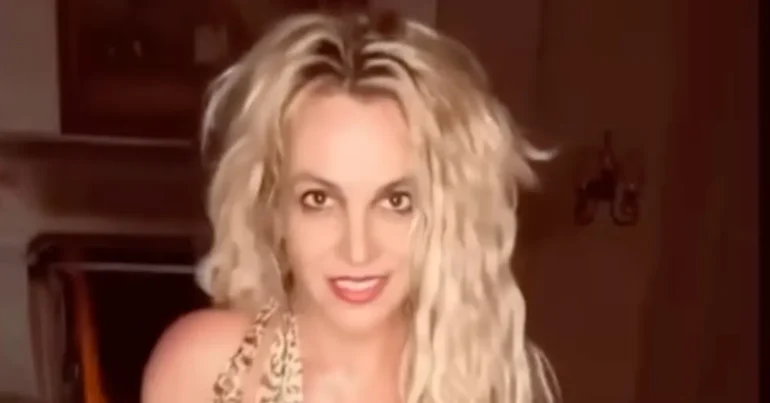
The enduring enigma that is Britney Spears has once again captured public attention, this time with her first significant public statements following a recent stay in rehab. The pop icon, whose life has been a subject of intense scrutiny for decades, is navigating a new chapter, marked by a deliberate shift in her public persona and communication strategy.
For years, Spears’ narrative was largely dictated by external forces, from her meteoric rise to superstardom in the late 1990s and early 2000s to the highly publicized conservatorship that defined much of her adult life. Her early reputation was one of a seemingly innocent, yet fiercely talented, performer, a stark contrast to the legal battles and personal turmoil that later dominated headlines. The recent period of rehabilitation, while met with a mixture of concern and support, signals a critical juncture in her ongoing journey toward autonomy and self-expression.
In a series of recent social media posts and interviews, Spears has begun to articulate her experiences and outlook. One notable statement, shared on her official Instagram account on May 10, 2026, read, “It’s time to heal and find myself again. I’m so grateful for the love and support.” This direct address, eschewing the carefully managed public relations often associated with celebrity comebacks, offers a glimpse into her current mindset. Further remarks to Billboard hinted at a desire to reconnect with her artistic roots, stating, “I want to create music that speaks to my truth, not just what people expect.” These words, while brief, carry the weight of her past struggles and her aspirations for the future.
The cultural analysis of Spears’ current phase is complex. Her relevance, once tied to chart-topping hits and a distinct brand of pop dominance, now hinges on her ability to reclaim her narrative. The legacy of her early career is undeniable, but the question remains whether her current strategy of candid, albeit controlled, public engagement can resonate as powerfully. Authenticity has become the currency of modern celebrity, and Spears’ attempts to present a more genuine self are being closely watched. Is this a carefully curated performance of vulnerability, or a genuine step towards reclaiming agency? The answer likely lies somewhere in between, a testament to the intricate dance between public expectation and private reality.

The transition from the tightly controlled environment of her conservatorship to a more public-facing role, even with the backdrop of rehab, is a significant transformation. Her previous public appearances were often perceived as lacking spontaneity, a consequence of external management. Now, the subtle nuances in her communication – the choice of words, the timing of her statements, the platforms she utilizes – suggest a more deliberate and personal approach. This shift invites a re-evaluation of her artistry and her public image, moving beyond the sensationalism that has often surrounded her.
Ultimately, the weight of Britney Spears’ current strategy rests on its ability to foster genuine connection and artistic expression. Her past achievements have cemented her place in pop culture history, but her future impact will be determined by how effectively she can leverage her experiences to forge a new, authentic path. The public, conditioned by years of both adoration and speculation, is waiting to see if this latest chapter marks a true turning point or a fleeting moment in a long and often turbulent career.