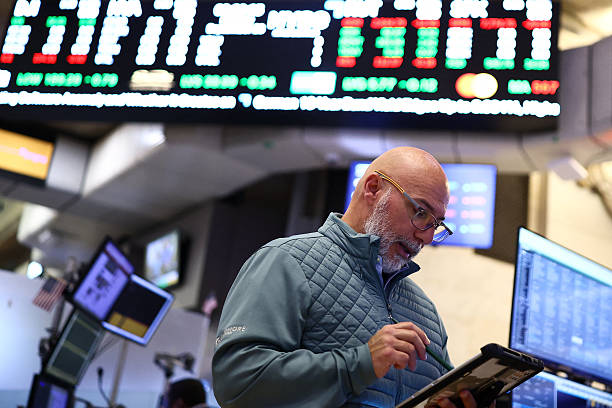
On September 27, 2026, market activity made one thing clear: Wall Street money has reasserted itself as the primary force moving U.S. equities, displacing the retail-driven rallies that had been an outsized influence on price action in prior years.
Trading desks and market strategists say the signs are unmistakable — an uptick in block trades and ETF flows, heavier activity from mutual funds and pension allocators, and a lower share of daily volume coming from small accounts. Together, these developments have shifted the marginal buyer and seller in many pockets of the market back toward institutional players.
The reversal is notable after a period when commission-free platforms, social-media coordination and easy access to options elevated retail investors’ market impact. Those dynamics produced episodic “meme” rallies and dramatic moves in single names; the current rotation suggests those episodes are no longer the primary driver of market direction.
Market participants point to several macro and structural drivers: renewed allocations to equities by large asset managers, persistent inflows into ETFs, the scale and speed of programmatic and quantitative trading, corporate buybacks and index rebalancings that create large, predictable flows. Changes in interest rates and liquidity conditions have also encouraged institutions to trade at scale rather than chase short-term momentum.
The practical consequences are significant. With institutional capital setting the marginal price more often, markets may see reduced frequency of viral, idiosyncratic spikes and tighter spreads in large-cap names, while sector leadership increasingly reflects macro positioning and flow-driven rotations rather than online sentiment alone.
That does not mean retail investors have disappeared. Individual traders remain active across many corners of the market and can still produce outsized moves in niche names. But their trades now compete against capital that is larger, faster and often managed with longer time horizons and different risk controls.

Investors and policy watchers will be watching several indicators to judge whether this is a durable shift: fund flow reports, the share of trading volume by account size, options market positioning and the scale of block trades and ETF flows around major macro and earnings events. Central-bank decisions, corporate buyback programs and unexpected geopolitical developments remain the variables most likely to alter the balance quickly.
For now, the market’s center of gravity has moved back toward institutional money. That matters for volatility, price discovery and who gets to set the agenda — and it signals an environment in which size, access and professional capital allocation increasingly determine which bets move markets.