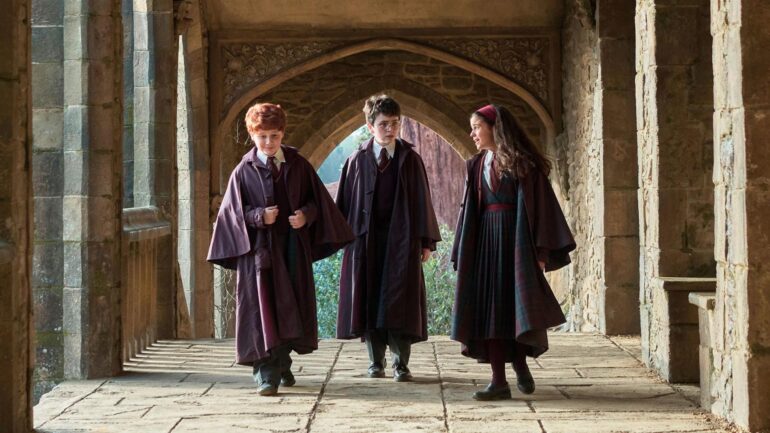
In a bold move that signals immense confidence, HBO has officially greenlit a second season of its upcoming Harry Potter series, tentatively titled “Harry Potter and the Chamber of Secrets.” This decision comes even before the first season has premiered, with production slated to begin this fall. The early renewal suggests a strong belief within the network that the adaptation will resonate deeply with audiences, mirroring the enduring magic of J.K. Rowling’s original novels.
The initial announcement of an HBO series based on the beloved book franchise generated significant buzz, promising a more mature and in-depth exploration of the Wizarding World than previous adaptations. The decision to proceed with a second season so early in the process indicates that early test screenings or internal reviews have been exceptionally positive, or that the network is strategically aligning with the production schedule to maintain momentum. Filming for the second season commencing this fall, shortly after the first season’s initial production phase, points to a streamlined and efficient production pipeline.
The publication, TRE60, known for its incisive, confident, and measured cultural criticism, approaches this news with its characteristic style, akin to Rolling Stone or New York Magazine. Avoiding gossip and inflammatory language, the focus remains on the significant shift this early renewal represents in television production and franchise management. This is not merely a renewal; it’s a statement of intent and a testament to the perceived potential of this ambitious project.
The timeline of this development is crucial. With today’s date being May 8, 2026, the anticipation for the first season, which is yet to air, is palpable. The subsequent greenlighting of “Chamber of Secrets” demonstrates a commitment to a long-term vision for the franchise on the platform. This proactive strategy is a departure from the more typical model of waiting for initial viewership data before committing to future seasons, especially for a project of this magnitude and investment.
The cultural analysis of this decision hinges on the delicate balance between preserving the legacy of the Harry Potter universe and adapting it for a contemporary television audience. HBO’s approach, aiming for a tone that is both faithful and fresh, seeks to capture the magic that made the books a global phenomenon while offering a narrative depth suitable for adult viewers. The question of authenticity versus performance is central here; will this adaptation capture the genuine spirit of the source material, or will it feel like a calculated performance designed solely for commercial success?
The evidence for the show’s perceived quality, though not yet public, is clearly strong enough to warrant this early second season order. While direct quotes from the production team regarding the second season are scarce, the network’s decisive action speaks volumes. This confidence from HBO, a network renowned for its critically acclaimed and award-winning series, suggests that the early footage and creative direction have met exceptionally high standards.

Looking ahead, the success of this strategy will depend on HBO’s ability to maintain the quality and narrative coherence across subsequent seasons. The challenge lies in evolving the story and characters in ways that satisfy long-time fans while attracting new viewers. The potential for a long-running, critically lauded series is evident, but the execution will be paramount. The upcoming filming schedule for the second season, beginning this fall, will be closely watched as a key indicator of the production’s progress and the network’s commitment.
In conclusion, HBO’s early renewal of the Harry Potter series for a second season is a significant gamble that underscores the perceived strength of the adaptation. It reflects a strategic shift in how major franchises are being managed in the streaming era, prioritizing long-term commitment over immediate returns. Whether this ambitious strategy ultimately pays off will be determined by the series’ reception, but the initial greenlight positions the Wizarding World for a substantial and potentially groundbreaking return to television.